From Searing to Saucery: Mastering the Sauté Pan's Versatility in 15+ Recipes

Introduction
Imagine a weeknight dinner where tender, golden‑seared salmon fillets glisten with a buttery lemon‑dill sauce, paired with crisp‑tender garlic‑parmesan asparagus that crackles with every bite. Or a quick lunch of spicy shrimp sautéed in olive oil, garlic, and red pepper flakes, served over fluffy couscous. These restaurant‑worthy dishes share a common secret: the humble sauté pan, a versatile tool that transforms simple ingredients into culinary masterpieces. In this comprehensive guide, you will learn the design, materials, and professional techniques required to master your sauté pan and execute 15+ mouthwatering recipes that elevate your home cooking.
1. What Is a Sauté Pan?
A sauté pan is a flat-bottomed cooking vessel with relatively high, straight sides and often comes with a tight-fitting lid. Unlike a skillet or frying pan, whose flared sides facilitate tossing, a sauté pan’s vertical walls contain ingredients and liquids, making it ideal for sautéing, braising, and shallow frying.
Sauté pans typically range from 10″ to 12″ in diameter and 2″–3″ deep, balancing enough capacity for batch cooking with even heat distribution. Professional kitchens prize them for their versatility—from crisping vegetables to creating rich pan sauces—thanks to their design that marries searing performance with saucing ability.
2. Design & Key Features
2.1 Flat Bottom for Even Heating
The broad, flat base of a sauté pan ensures uniform contact with the heat source, which is critical for consistent browning and searing. This even heat distribution prevents hot spots, reducing the risk of burnt edges and undercooked centers.
2.2 Vertical Sides to Contain Flavors
Straight, high walls keep ingredients and simmering liquids contained, allowing you to deglaze the pan without spillage. They also trap steam when covered, making shallow braises and quick steams possible.
2.3 Secure Handles
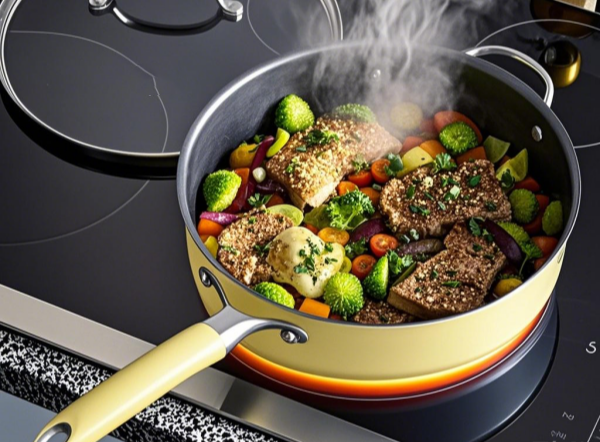
Look for riveted stainless‑steel handles for durability and oven-safety, or heat-resistant silicone grips on non‑stick models for user comfort. A helper handle opposite the main grip aids in lifting when the pan is full.
2.4 Matching Lid
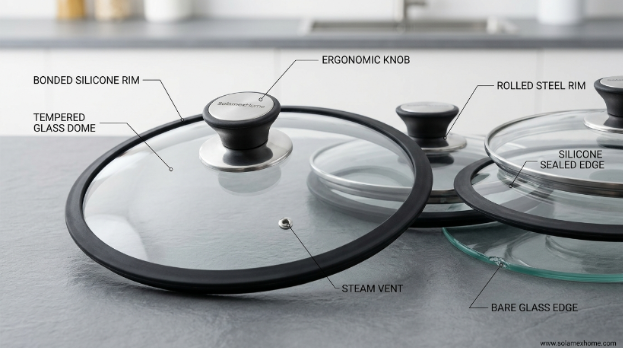
A snug lid locks in moisture, making it easy to finish cooking proteins and vegetables without transferring to another vessel. It also accelerates braising and poaching techniques.
3. Materials & Their Best Uses
| Material | Pros | Cons | Ideal For |
|---|---|---|---|
| Stainless Steel | Durable, non‑reactive, oven-safe | Can stick without proper oiling | Steaks, pan sauces, deglazing |
| Non‑Stick Cast Aluminum | Easy release, low-fat cooking | Limited high‑heat use | Eggs, delicate fish, reheating |
| Cast Iron | Superior heat retention, naturally non‑stick when seasoned | Heavy; requires maintenance | Crispy potatoes, searing, oven finishing |
Modern clad pans (e.g., stainless steel with aluminum core) balance conductivity with durability, making them top picks for home cooks.
4. Core Cooking Techniques
4.1 Sautéing
Sautéing is a high-heat, quick-cook method using minimal fat to develop deep flavors via caramelization. Always preheat your pan 2–3 minutes before adding oil to prevent sticking. Use refined oils like avocado or canola for their high smoke points. Avoid overcrowding—cook in batches so ingredients brown rather than steam.
4.2 Searing
Searing creates a flavorful crust on proteins and vegetables. Pat food dry and give it space in the pan. Resist moving items too soon; let them develop a golden crust before flipping.
4.3 Shallow Frying & Pan Frying
With ¼–½″ of oil, shallow frying yields crisp textures—perfect for potato hash or paneer. Maintain oil temperature around 350°F to avoid soggy results.
4.4 Deglazing for Pan Sauces
After searing, pour wine, broth, or vinegar into the hot pan to lift the fond (browned bits) and form a sauce. Simmer until reduced to a silky consistency, then finish with butter or herbs.
5. Sauté Pan Recipes: From Seafood to Savory Vegetables and Beyond
5.1 Seafood Delights
Pan‑Seared Salmon with Lemon‑Dill Butter
Pat skin‑on salmon fillets dry and season with salt and pepper. Heat oil in a stainless steel pan (medium‑high); place salmon skin‑side down and cook 4–5 minutes until crisp. Flip and cook another 3–4 minutes until just opaque. Remove and swirl in butter, lemon juice, and chopped dill to finish.
Three Ways to Sauté Shrimp
- Garlic‑Herb Shrimp: Sauté shrimp with garlic, parsley, and a splash of white wine.
- Lemon‑Butter Shrimp: Add butter and lemon zest at the end for a silky finish.
- Spicy Cajun Shrimp: Toss shrimp with Cajun spices, onions, and bell peppers for a quick Creole flair.
5.2 Vibrant Vegetables
Garlic‑Parmesan Asparagus
Trim asparagus and heat oil in a non‑stick pan (medium‑high). Cook 5–7 minutes, stirring occasionally. Add garlic in the last minute, then sprinkle with Parmesan and lemon zest.
Crispy Garlic Broccoli
In a cast iron pan, sauté garlic and red pepper flakes until fragrant. Add broccoli florets and cook until edges char, about 6–8 minutes. Finish with a dash of soy sauce or lemon juice.
5.3 Poultry & Meat
Juicy Pan‑Sautéed Chicken Breasts
Pound chicken breasts to ½″ thickness. Season and sear 3–4 minutes per side in hot oil. Add butter, thyme, and broth, cover, and simmer until 165°F internal temperature. Rest before slicing.
Spiced Chicken Thighs
Season thighs with paprika and cumin. Sear until golden, then add onions and garlic and cook until tender.
5.4 Starches & Specialty
Crispy Sautéed Potatoes
Parboil diced russets 5 minutes. Sauté in cast iron with oil until golden (10–12 minutes), tossing with garlic and rosemary at the end.
Quick Sautéed Paneer
Cube paneer and sear until golden. Toss with turmeric, cumin, and bell peppers for a speedy curry base.
6. Troubleshooting Common Issues
- Sticking: Preheat fully, use enough oil, or season stainless steel with a light coating of fat.
- Soggy Vegetables: Avoid overcrowding; keep heat high and stir sparingly.
- Poor Browning: Pat ingredients dry and let them sear without moving for optimal crust.
7. Conclusion & Call to Action
From the flat base and vertical walls to material choices, a sauté pan is the workhorse of high‑heat cooking, perfect for searing, sautéing, and saucing. By mastering preheating, oil selection, and deglazing, you can elevate everyday ingredients into restaurant‑quality dishes.
Ready to become a sauté pan maestro? Share your favorite recipes below or tag us in your kitchen creations on social media. Happy cooking!
Looking to stock premium sauté pans for your business? Solamex specializes in wholesale cookware, including durable sauté pans, wholesale non-stick plancha grills, and versatile cookware sets. Our products feature high-quality materials, custom designs, and competitive pricing—ideal for restaurants, retailers, or bulk orders. Contact us today to explore our wholesale options and elevate your kitchen essentials.
Unlocking the Full Potential of Your Sauté Pan: From Novice to Culinary Master
How to Measure Frying Pan Size Like a Pro (and Why It Matters for Better Cooking)