How Big Is 2QT? A Comprehensive Guide for Kitchen Enthusiasts
Table of Contents
I. Introduction
If you’ve ever stood in front of a recipe wondering, “How big is 2QT?” or hesitated to buy a saucepan without visualizing its size, you’re not alone. The 2-quart (2QT) measurement is a staple in kitchenware, but its practical applications and physical dimensions can be confusing. This guide demystifies 2QT cookware, offering actionable insights to help you make informed decisions for your kitchen.
From understanding volume conversions to exploring real-world cooking scenarios, we’ll break down everything you need to know about 2QT containers. Whether you’re a solo cook, part of a small household, or someone who loves portion-controlled meals, this guide will equip you with the knowledge to choose the right 2QT cookware and use it effectively.
Why 2QT Matters in Your Kitchen
II. Understanding 2QT: Basic Conversions and Dimensions
Volume Conversions: Breaking Down the Numbers
- 2 quarts = 64 US fluid ounces (the standard unit for liquid measurements in the US).
- 2 quarts = 1.89 liters (the metric equivalent, useful for international recipes).
- 2 quarts = 8 cups (a common unit in recipe books, where 1 cup = 8 fluid ounces).
- Imagine two standard 32-ounce water bottles—put them together, and you have 2QT.
- A half-gallon of milk (which is 64 ounces) is exactly 2 quarts.
- For dry ingredients, 2QT can hold about 4 pounds of flour or 3.5 pounds of sugar, though this varies by density.
Physical Dimensions by Cookware Type
While the volume remains consistent, the physical dimensions vary depending on the type of cookware:
| Cookware Type | Typical Dimensions | Example Use |
|---|---|---|
| Saucepan | Diameter: 6–8 inches (15–20 cm) Height: 4–6 inches (10–15 cm) |
Cooking sauces, small pasta batches |
| Baking Dish | Rectangular: 11 x 7 inches (depth: 1.5–2 inches) Square: 8 x 8 inches (depth: 2–2.5 inches) |
Lasagna, casseroles, desserts |
| Storage Container | Square: 7 x 7 x 3.875 inches Round: 6–8 inches diameter |
Meal prep, leftovers |
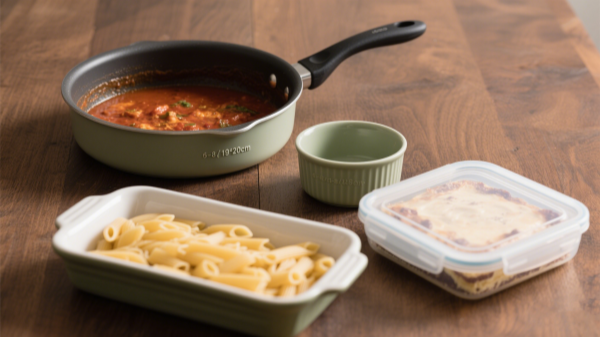
For example, the Solamex 2QT saucepan has a 7-inch diameter and 3.5-inch height, making it ideal for sauces and small-batch cooking.
III. Common Uses and Ideal Scenarios for 2QT Cookware
1. Cooking for Small Households (1–2 People)
- Pasta & Grains: Cook 2–3 servings of spaghetti (about 8 oz dry pasta) with sauce in one pan.
- Soups & Stews: Make a hearty lentil soup or chicken noodle soup for 2–4 portions without leftovers piling up.
- Side Dishes: Steam vegetables, mash potatoes, or fry eggs—all in one compact vessel.
2. Baking and Roasting
- Casseroles & Lasagna: A 2QT rectangular dish fits 4–6 servings, perfect for weeknight meals. Layer noodles, sauce, and cheese without overfilling.
- Desserts: Bake brownies, cobblers, or even a small cheesecake (in a 10-inch round pan).
- Roasting: Use an oval 2QT dish to roast a whole chicken (up to 4 pounds) or a tray of veggies for two.
3. Meal Prep and Storage
- Leftovers: Store half a batch of chili or stir-fry without taking up too much fridge space.
- Freezer Meals: Freezer-safe glass containers (like Pyrex) let you portion soups or casseroles for quick reheating. Just leave 1 inch of headspace to avoid cracks from expansion.
IV. Choosing the Right 2QT Cookware: Key Factors
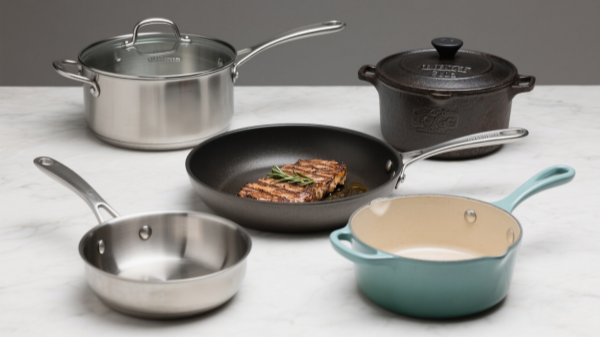
Material: Durability and Functionality
Selecting the right material ensures your cookware lasts and performs well:
- Stainless Steel: Durable and non-reactive, ideal for searing (e.g., Cuisinart).
- Ceramic/Glass: Oven-safe and perfect for baking (e.g., Pyrex).
- Cast Aluminum Non-Stick: Easy to clean, great for delicate foods (e.g., GreenPan).
- Cast Iron: Retains heat exceptionally well (e.g., Lodge), but requires seasoning.
Shape and Design
Consider the practicality of your cookware:
- Saucepans: Look for pouring spouts and ergonomic handles.
- Baking Dishes: Deeper dishes retain moisture, while shallow ones promote browning.
- Storage Containers: Choose stackable, BPA-free options (e.g., Rubbermaid).
V. Frequently Asked Questions (FAQs)
Q1: How do I measure if a container is truly 2QT?
Q2: Can I use a 2QT dish in the oven or microwave?
Q3: What’s the difference between 2QT and 3QT cookware?
Q4: Can I use a 2QT saucepan for deep frying?
VI. Pro Tips for Maximizing 2QT Cookware
1. Recipe Scaling: Downsize Like a Pro
- Halve Large Recipes: Convert a 4QT soup recipe to 2QT by halving all ingredients. Use a kitchen scale for accuracy with dry goods.
- Portion Control: Use 2QT dishes to bake individual-sized meals, like stuffed peppers or mini meatloaves, for easy meal prep.
2. Avoid Overfilling: Leave Room to Breathe
- Liquids: Never fill a saucepan more than 2/3 full to prevent boiling over (e.g., 2QT = max 5–6 cups of liquid).
- Baking: For casseroles, leave 1 inch of space at the top to avoid spills in the oven.
3. Cleaning and Maintenance
- Non-Stick Pans: Hand-wash with mild soap and a soft sponge to protect the coating. Dishwasher use can shorten lifespan.
- Stainless Steel: Remove burnt residue with a paste of baking soda and water, or use a stainless steel scrubber.
- Glass/Ceramic: Soak in warm water to loosen food, then wash with a non-abrasive cloth.
VII. Conclusion
Final Takeaway
Solamex: Your Trusted 2QT Cookware Partner
- Factory-Direct Wholesale Pricing: Competitive rates that beat market averages, without compromising on durability or performance.
- Quality Assurance: Each piece undergoes rigorous testing, outlasting many competitors while maintaining easy cleanup and functionality.
Ready to Upgrade Your Kitchen?
Share your favorite 2QT recipe in the comments below, or download our free 2QT Meal Prep Guide for quick, portion-controlled meals!
Mastering Cast Aluminum Cookware: Safety Insights, Performance Tips & Buying Guide
Mastering the Skillet Selection: A Data-Driven Guide to Material, Design, and Performance