How Does Aluminum Cookware Compare—and Which Type Is Right for You?
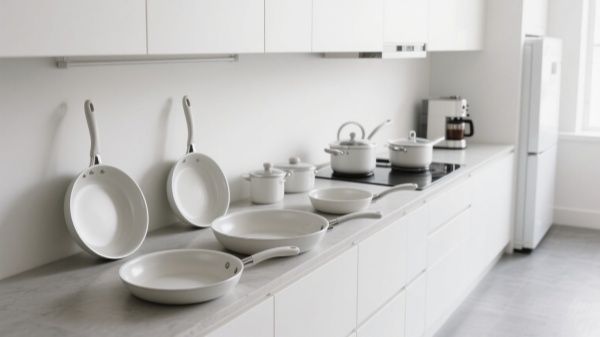
Aluminum cookware has become a staple in kitchens worldwide thanks to its rapid heating, light weight, and affordability. But with so many variants—from raw aluminum to hard‑anodized and ceramic‑coated—how do you choose the best fit for your cooking style?
In this comprehensive guide, we’ll compare aluminum to other popular materials, break down the main aluminum cookware types, and walk you through performance, safety, maintenance, and buying considerations.
Quick Answer: Aluminum cookware offers superior heat conductivity and lightness compared to stainless steel or cast iron. Choose hard‑anodized or coated variants to minimize metal leaching, follow gentle cleaning routines, and replace pans when coatings degrade to ensure safe, long‑lasting performance.
What Is Aluminum Cookware and How Does It Differ from Other Materials?
Alu cookware is made from either raw aluminum or specialized aluminum alloys. It heats up quickly, but in its pure form it can react with acidic foods. To improve durability and safety, wholesale cookware manufacturers often hard‑anodize the metal or apply nonstick and ceramic coatings.
Below is a comparison of common cookware materials:
| Material | Thermal Conductivity | Weight | Durability | Cost | Best Use |
|---|---|---|---|---|---|
| Hard‑Anodized Aluminum | 200–250 W/mK | Light | High | Moderate | Everyday frying & sautéing |
| Copper | 400 W/mK | Medium | Low | High | Precision cooking |
| Stainless Steel | 16 W/mK | Heavy | Very High | Moderate | Boiling, braising |
| Cast Iron | 50 W/mK | Very Heavy | Very High | Moderate | Searing, slow cooking |
Now that we’ve seen how aluminum stacks up, let’s explore the different aluminum cookware families in detail.
What Types of Aluminum Cookware Are Available?
- Raw Aluminum: Exceptionally light and economical, but prone to oxidation and metal leaching with acidic ingredients.
- Hard‑Anodized Aluminum: Treated with an electrochemical process to form a tough, nonporous oxide layer—scratch‑resistant and low‑leaching.
- Nonstick‑Coated Aluminum (PTFE): Combines aluminum’s heat performance with a Teflon or ceramic nonstick layer for easy release and cleanup.
- Ceramic‑Coated Aluminum: Uses a metal‑free, high‑temperature ceramic finish—eco‑friendly but potentially thinner and more prone to chipping.

- Clad Aluminum Cookware: Features an aluminum core bonded to stainless‑steel exteriors for induction compatibility and added durability.
Each subtype brings unique strengths. But how do they perform under real‑world cooking conditions?
How Does Aluminum Cookware Perform in Everyday Cooking?
Aluminum’s high thermal conductivity lets you heat up pans in seconds and cool down just as fast—ideal for tasks that require rapid temperature adjustments.
- Frying Eggs: Nonstick vs. hard‑anodized—both deliver easy release, but hard‑anodized may require less oil.
- Sautéing Vegetables: Even heat spread prevents hot spots, reducing the risk of scorching.
- Simmer & Stew: Though not as heat‑retentive as cast iron, aluminum recovers temperature quickly after adding cold ingredients.
Performance is only half the story—let’s address common safety concerns next.
Is Aluminum Cookware Safe? Health & Leaching Considerations
There’s been debate about aluminum leaching into food, especially when cooking acidic dishes. Here’s what you need to know about aluminum cookware safety :
- Raw Aluminum Reactivity: Direct contact with vinegar, tomato sauce, or citrus can accelerate metal migration into food.
- Hard‑Anodized & Coated Safety: Anodized layers and certified nonstick coatings form a barrier, dramatically reducing leaching.
- Regulatory Compliance: Look for FDA or EU LFGB certifications to ensure coatings meet strict food‑safety standards.
With safety confirmed, proper care will help your pans look and perform like new.
How to Clean, Maintain, and Extend the Life of Your Aluminum Cookware
- Daily Cleaning: Use warm, soapy water and a soft sponge—avoid abrasive pads that scratch surfaces.
- Stain & Discoloration Removal: Simmer a mixture of water and baking soda (or white vinegar) for 5–10 minutes, then rinse.
- Re‑Oiling Raw/Anodized Pans: Wipe with a thin layer of high‑smoke‑point oil, then heat gently to reinforce the protective patina.
- Coating Replacement: When nonstick surfaces show peeling or deep scratches, it’s time to retire the pan.
Even seasoned cooks make mistakes—here are the top pitfalls and pro‑tips.
What Are Common Mistakes & Expert Pro‑Tips?
- Overheating Empty Pans: Can warp the metal or degrade nonstick coatings.
- Using Metal Utensils: Switch to silicone or wooden tools to preserve surfaces.
- Dishwasher Use: May dull finishes—hand‑wash for longevity.
- Stacking Cookware: Place pan guards or soft cloths between pieces to avoid scratches.

How to Choose the Best Aluminum Cookware for Your Kitchen
- Define Your Needs: Quick‑fry skillets vs. full cookware sets vs. specialty braisers.
- Check Compatibility: Ensure induction compatibility if you have a magnetic stove, or choose clad constructions.
- Review Certifications & Warranties: Look for FDA/LFGB approvals and multi‑year guarantees.
- Balance Budget & Value: Hard‑anodized pans cost more upfront but often outlast basic nonstick models.
Frequently Asked Questions
What makes hard‑anodized aluminum cookware more durable?
The electrochemical anodization process creates a dense, nonporous oxide layer that resists scratches, corrosion, and metal leaching.
Can I use aluminum cookware on induction stoves?
Only if the pan has a magnetic stainless‑steel base. Pure aluminum alone isn’t induction‑compatible.
How do I remove white spots from my aluminum pan?
Simply boil a mixture of equal parts water and white vinegar for 5–10 minutes, then rinse, dry, and re‑oil if needed.
Conclusion & Next Steps
Aluminum cookware shines for its unmatched heat responsiveness, feather‑light handling, and affordability. By selecting the right subtype—whether hard‑anodized, nonstick, or clad—and following proper care routines, you’ll enjoy safe, long‑lasting performance.
Aluminum Cookware Showdown: Anodized vs. Ceramic-Coated
Alu Cookware Ultimate Guide: Types, Buying Tips & Maintenance