Is Caraway Cookware Truly Non-Toxic? Into Its Safety, Materials, and User Concerns
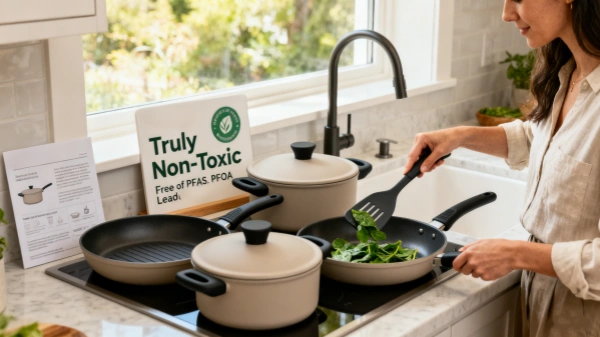
The specter of traditional non-stick coatings like Teflon, and the potential health risks associated with chemicals like PFOA and PFAS (often called "forever chemicals"), has driven a massive shift in consumer awareness. Into this landscape stepped Caraway—a beautifully designed, direct-to-consumer brand that promised a solution: a completely safe, non-toxic, and effective non-stick experience.
But are these claims just slick marketing, or are they rooted in solid science? Is Caraway cookware genuinely as safe and non-toxic as it appears on your Instagram feed? This article will cut through the noise to give you a clear, evidence-based answer.
In short: Yes, Caraway cookware is widely considered non-toxic and safe for cooking. This is because it features a ceramic non-stick coating that is completely free of PTFE, PFOA, and other PFAS chemicals. However, its long-term safety and performance hinge on proper use and care.
First, What Does "Non-Toxic" Actually Mean in Cookware?
Before we can judge Caraway, we need to establish the rules of the game. The term "non-toxic" can feel vague, so let's define what we're looking for—and what we're trying to avoid.
The Key Chemicals to Watch For
- PFAS, PFOA, & PTFE (Teflon): This family of chemicals gave traditional non-stick pans their slippery surface. The primary concern is that when overheated (above 500°F / 260°C), PTFE-based coatings can break down and release toxic fumes. PFOA, a chemical historically used in the manufacturing process, has been linked to serious health issues and is a persistent environmental pollutant.
- Lead and Cadmium: These toxic heavy metals can sometimes be found in low-quality ceramic glazes or colorful exterior coatings. Reputable brands ensure their products are completely free from them.
The Safe-Haven Materials
A truly non-toxic pan is one that doesn't rely on the chemicals listed above. The safest alternatives that have gained trust include mineral-based ceramic coatings, pure stainless steel, classic cast iron, and carbon steel—materials that don't hide potential hazards.
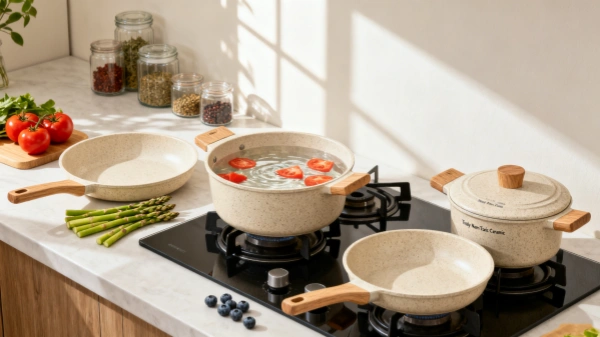
Deconstructing Caraway: What's Really in the Pan?
Now, let's put Caraway under the microscope. Its "non-toxic" claim rests entirely on the two main components of its construction.
The Core: An Aluminum Body
At its heart, a Caraway pan has an aluminum core. Don't worry, this is a good thing. Aluminum is an excellent conductor of heat, which means your pan heats up quickly and evenly, preventing hot spots that burn your food. The aluminum is completely sealed by the coating, so it never comes into contact with what you're cooking.
The Star of the Show: The Sol-Gel Ceramic Coating
This is the crucial part. Instead of a plastic-based coating like Teflon, Caraway uses a **sol-gel ceramic coating**. Think of it as a layer of liquid glass sprayed onto the pan and then cured by heat. It's derived from a natural mineral: sand (silicon dioxide).
Most importantly, this ceramic layer is inherently free from the chemicals we want to avoid. It contains absolutely no PTFE, PFOA, PFAS, lead, or cadmium. This innovative material is the entire foundation of Caraway's non-toxic promise, and it's a scientifically sound one.
So, Is Caraway Cookware Safe in Real-World Use?
Knowing the materials is one thing, but how do they hold up in a busy kitchen? Let's address the most common safety questions.
Q1: Does Caraway release toxic fumes when heated?
The answer is a clear no. Because the coating contains no PTFE, there is no risk of it releasing the toxic polymer fumes associated with overheated Teflon pans. This provides a significant margin of safety and peace of mind, especially if you ever accidentally leave a pan on the heat for too long.
Q2: If I scratch my Caraway pan, is it still safe?
This is a critical user concern, and the answer is yes, it is still safe. If you accidentally use a metal utensil and create a scratch, you are simply exposing the inert aluminum core underneath. Unlike scratching an old Teflon pan, this does not release flakes of harmful plastic into your food. While a deep scratch will unfortunately ruin the non-stick performance in that spot, it does not create a toxicity hazard.
Q3: Are Caraway's non-toxic claims verified?
Caraway publicly states that its manufacturing partners are held to strict ethical standards and that their products have passed independent testing for safety, including compliance with FDA standards and California Proposition 65, which restricts the use of harmful chemicals like lead and cadmium.
The Achilles' Heel: How to Keep Your Cookware Non-Toxic and Non-Stick
The non-toxic nature of Caraway isn't fragile, but its non-stick performance is. Ceramic coatings require more gentle care than their traditional counterparts. Following these rules is essential to protect your investment and ensure its longevity.
Usage Best Practices:
- Keep the heat low-to-medium. Ceramic conducts heat so well that high heat is unnecessary and can degrade the coating over time.
- Use the right utensils. Avoid metal at all costs. Stick with wood, silicone, or nylon utensils to prevent scratches.
- Choose your fats wisely. Butter or oil is great. Avoid aerosol cooking sprays, as their propellants can build up and create a sticky residue that's hard to remove.
Cleaning and Care of Ceramic Cookware:
- Let it cool down first. Plunging a hot pan into cold water can cause thermal shock and damage the coating.
- Hand-wash only. The harsh detergents and high heat of a dishwasher are the fastest way to destroy a ceramic non-stick surface. A gentle scrub with a soft sponge and dish soap is all you need.
Beyond One Brand: The Search for Verified Non-Toxic Cookware
Caraway's incredible success story has proven one thing: consumers are awake and actively demanding healthier products for their kitchens. This positive movement means Caraway isn't alone. The key for any buyer is to look past the marketing and verify that a brand's claims are backed by safe materials and rigorous testing.
Introducing Solamex: Our Commitment to Verified Safety
At Solamex, we share this foundational commitment to 'non-toxic' principles. We believe peace of mind is the most important ingredient in any meal.
That's why every piece of cookware we produce utilizes a thoroughly tested, health-conscious coating, ensuring it is completely free from harmful substances like PFAS and PFOA. Our products have successfully passed stringent quality inspections and certifications to proudly carry the 'non-toxic' label, designed to bring genuine safety and reliability to your kitchen.
The Final Verdict: Should You Trust Caraway?
After reviewing the materials, safety protocols, and user considerations, the conclusion is clear: **Caraway cookware is a genuinely safe and non-toxic option** for the health-conscious home cook. It effectively delivers on its promise to provide a non-stick surface without the controversial chemicals that have rightly worried consumers for years.
However, that trust comes with a responsibility. The longevity of its beautiful, slick surface is in your hands. By treating it with care, you're not just preserving a pan; you're maintaining the integrity of a healthier cooking environment.
Ultimately, investing in any piece of cookware should be an informed choice. By understanding the materials and technology behind the products you bring into your home, you empower yourself to create a kitchen that truly nurtures your family's well-being.

Solamex — Wholesale Pots and Pans Expertise
Solamex offers wholesale pots and pans, combining durable materials, precise craftsmanship, and flexible product customization. From premium stainless steel to advanced nonstick lines, our catalog is built for both retail distribution and demanding commercial kitchens — ensuring consistency in performance and presentation.
Cooking Pots For Gas Stoves: Materials, Performance, And Buyer Checklist
Is Caraway Non-Toxic? A Clear Look At Materials, Safety Tests, And What To Know