Is Cast Aluminum Cookware Safe? An Evidence-Based Guide
Is Cast Aluminum Cookware Safe? An Evidence-Based Guide
Short answer: Yes — cast aluminum cookware is generally safe for everyday cooking when you choose the right type (hard-anodized or high-quality coated) and follow basic use & maintenance rules. Bare or damaged aluminum used with acidic foods raises the risk of metal leaching.
What exactly is “cast aluminum”?
“Cast aluminum” means molten aluminum poured into molds to form pots or pans. Compared with stamped or rolled aluminum, cast pieces are usually thicker and heavier, offering different heat distribution and handling characteristics. Surface treatment matters far more for safety than the casting process itself — common surface types are bare (untreated) aluminum, hard-anodized aluminum, and aluminum with a coating (PTFE/Teflon, ceramic, etc.).
Does aluminum leach into food?
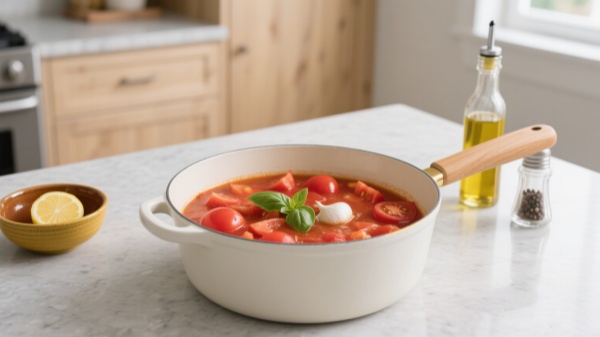
Yes — aluminum can migrate into food under certain conditions. Research shows that acidity, long cooking times, high temperatures, and new or damaged bare aluminum surfaces increase leaching. Classic experimental work found notably higher aluminum concentrations when acidic fruit juices or tomato-based foods were boiled in aluminum pans compared with neutral foods.
What does the research say about health risks (e.g., Alzheimer’s)?
Public and scientific debate has explored whether aluminum contributes to Alzheimer’s disease. While some studies suggest associations between high environmental aluminum exposure and neurodegenerative outcomes, major reviews and Alzheimer’s-focused research groups conclude that day-to-day exposure from normal cookware use has not been proven to cause Alzheimer’s. Reasonable precautions—especially avoiding unnecessary, repeated high exposures—are still sensible.
Which types of cast aluminum cookware are safest?
Hard-anodized aluminum
Electrochemical anodization thickens the oxide layer, producing a hard, non-reactive surface that reduces metal migration and resists scratching. For many cooks, this offers aluminum’s heat performance with much lower chemical reactivity.
Coated aluminum (PTFE / ceramic)
A durable, intact coating separates food from the base metal. Coating quality, heat limits, and lack of deep scratching determine safety and longevity. Avoid overheating and discard if coating flakes.
Bare (untreated) aluminum
Most reactive option. Best avoided for long-term cooking of acidic or salty dishes; new or pitted surfaces show the highest leaching.
Practical safety tips — use, break-in, and maintenance
- Read labels: prefer hard-anodized or ceramic coating clearly specified food-grade coatings.
- Break in new pans per manufacturer instructions; some bare pans are traditionally seasoned to reduce early leaching.
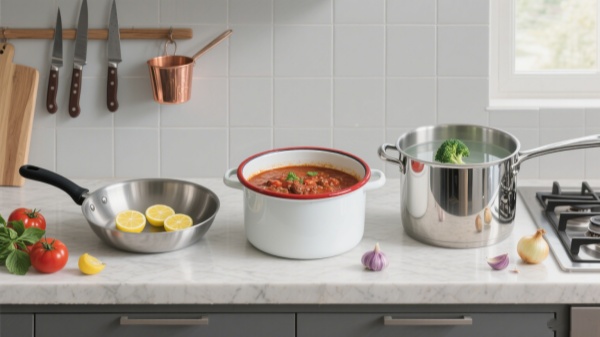
- Avoid cooking highly acidic foods (tomato-based sauces, long lemon stews) in bare aluminum for long periods — use anodized, stainless, or enameled cast iron instead.
- Replace pans with deep scratches, pitting, or flaking coatings.
- Follow maker guidance on dishwasher use; some anodized or coated surfaces are dishwasher-safe, others are not.
- If you suspect an imported product may come from unknown alloys or scrap metal sources, prefer trusted brands or request test reports — regulators have warned about unsafe imported cookware in some cases.
How to choose and buy safely (quick checklist)
Look for: hard-anodized labeling, clear coating specs, manufacturer safety/temperature guidance, third-party testing claims, and an explicit warranty or return policy. For coated products, ask if the coating is PFAS/PFOA-free if that is a concern.
Cast aluminum vs stainless steel vs cast iron — quick comparison
Heat conduction: aluminum > stainless steel > cast iron.
Reactivity: bare aluminum > cast iron > stainless steel (least reactive).
Durability: cast iron and stainless steel generally outlast bare aluminum; hard-anodized aluminum narrows the gap while keeping aluminum’s thermal advantages.
FAQs (short PAA-style answers)
Is cast aluminum cookware safe to cook with?
Yes for most everyday cooking — especially if cookware is hard-anodized or has an intact coating. Avoid prolonged acidic cooking in bare aluminum.
Does aluminum leach into food when cooking?
Some aluminum can leach, particularly from new or damaged bare aluminum pans and when cooking acidic foods for long times. Choosing anodized or high-quality coated aluminum greatly reduces this risk.
Can aluminum cookware cause Alzheimer’s?
Current evidence does not establish a clear causal link between normal cookware use and Alzheimer’s disease, though high, chronic aluminum exposure is a concern in other contexts. Reasonable precautions are advised.
How do I know when to replace an aluminum pan?
Replace pans with deep scratches, pitting, flaking coatings, visible corrosion, or persistent unusual deposits after cleaning.
Bottom line
Cast aluminum offers excellent heat performance and is widely used. For safety, prefer hard-anodized or well-coated products, avoid prolonged acidic cooking in bare aluminum, and replace any pan with a damaged surface. These simple choices and habits remove most real-world risks.
Cast Aluminum Cookware: Separating Safety Facts from Fiction
AMT Cookware: German Precision Engineering for Ultimate Kitchen Performance