Is My Pot Oven Safe? A Practical Guide to Oven-Safe Pots
TL;DR — short answer: Most all-metal pots (cast iron, carbon steel, stainless/multi-ply) are oven safe; the limiting factors are lids, knobs and handles — and you should always confirm an explicit oven rating for the exact model.
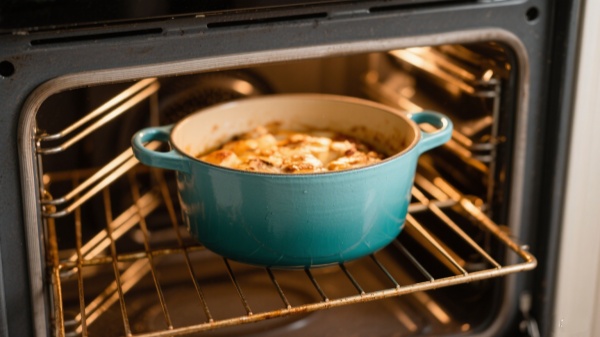
Picture this: you’ve browned a stew on the stovetop and you want to finish it in the oven. Do you pop the same pot in, or move everything to a baking dish? The answer depends on the pot’s materials, the lid, and how big the pot is — and this guide walks you through that decision step by step.
What “Oven Safe” Really Means
A pot is oven safe only if the pot body and every component (lid, handle, knob, coatings) can tolerate the oven temperature you intend to use without melting, degrading, warping or releasing harmful fumes.
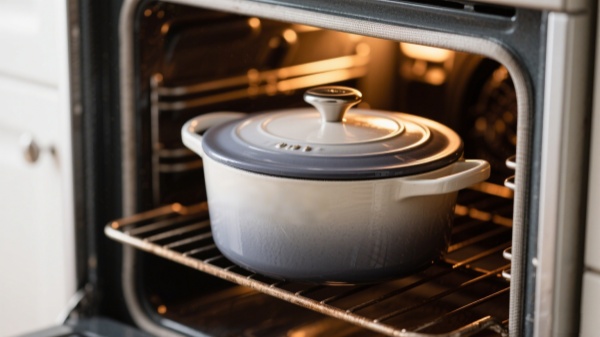
In practice, many pots are physically capable of going into an oven but have parts (plastic knobs, wooden handles, adhesive trims, low-temperature coatings) that set a lower maximum safe temperature. That maximum is usually listed on the product page or in the manual — when in doubt, check that information first.
Common Materials and Typical Oven Limits
Quick rule: all-metal bodies are the safest at high heat; coatings and non-metal parts lower the safe temperature.
| Material / component | Typical oven guidance | Notes |
|---|---|---|
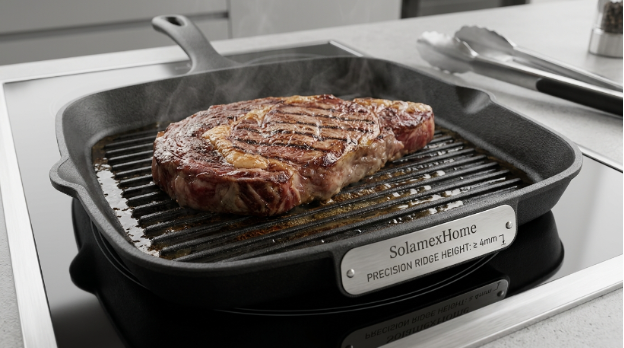
| Cast iron / enameled cast iron | Very high (often ≥ 500°F / 260°C) | Excellent heat retention; heavy when full. |
| Carbon steel | High (similar to cast iron) | Light when empty; seasons like cast iron. |
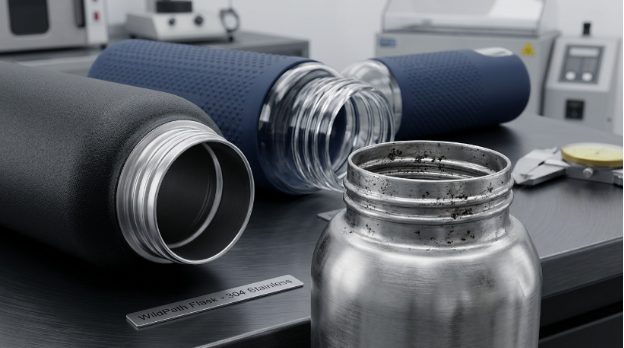
| Stainless steel / multi-ply | Often up to ~500°F (model dependent) | Good for deglazing and finishing sauces. |
| Nonstick-coated aluminum | Usually limited (~≤400°F / check label) | Coating may degrade at higher temps. |
| Glass / ceramic lids | Variable — check manufacturer | Watch for thermal shock (don’t go from hot oven to cold water). |
| Handles / knobs (plastic, silicone, wood) | Usually the limiting factor (often <350–400°F) | Replaceable or removable metal knobs are safer for high heat. |
These ranges are general guidance — always verify the exact SKU’s rating before using a pot at high temperatures.
Why Pot Size (Quarts) Also Matters for Oven Cooking
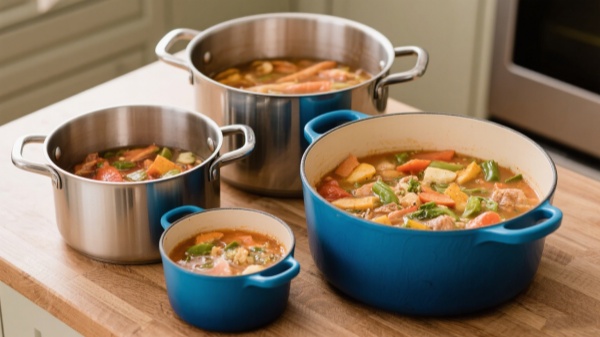
Beyond materials and temperature limits, pot capacity affects how convenient the pot is to use in the oven. Size determines whether the pot fits your oven racks, how heavy it will be when full, and whether the lid and handles are safe and practical when transferring hot food. Common capacity sizes you'll see are 2 quart, 4 quart, 6 quart, 8 quart — and larger stockpots for bulk cooking. Choose the smallest pot that suits the portion and the oven space you have; bigger isn't always better when you need to move a hot pot out of the oven.
How to Tell if Your Pot is Oven Safe — a Quick Checklist
Short answer: look for markings, inspect parts, and confirm the SKU/manufacturer guidance.
- Find a marking or label: look on the base, packaging or manual for “oven safe” text or a temperature rating.
- Inspect handles and knobs: metal = generally safe at high heat; plastic/wood/silicone may limit the temperature.
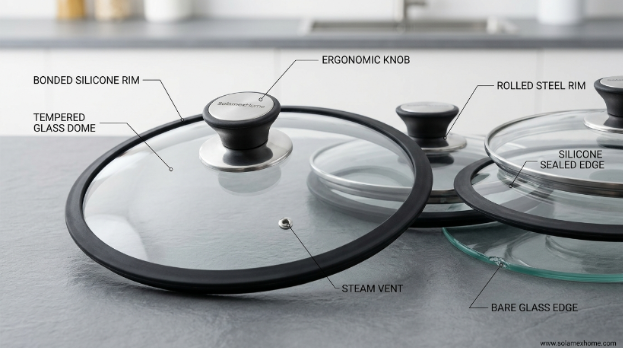
- Check the lid: glass lids and certain seals have separate temperature limits (sometimes lower than the pot body).
- Search the exact model online: manufacturer pages and manuals list max oven temps (use model numbers for accuracy).
- If you can’t confirm: use a dedicated oven-safe dish for high heat or remove non-oven-safe lids/knobs if the manufacturer allows.
Special Cases: Broilers, Thermal Shock and Glass Lids
Broilers deliver intense direct radiant heat. Most cookware — even if oven safe — is not automatically broiler safe. Only use a pot under the broiler if the manufacturer explicitly states it’s broiler-safe.
Glass lids can be oven safe at moderate temps but are vulnerable to thermal shock. Avoid rapid temperature changes (hot oven → cold sink) and check the lid’s rating independently from the pot body.
Common Mistakes People Make
- Assuming dishwasher safe means oven safe — they are unrelated ratings.
- Using nonstick pans at higher temperatures than the coating allows.
- Forgetting to consider weight and handle ergonomics for large filled pots (6–8+ qt).
- Underestimating broiler intensity and placing unsuitable pots too close to heating elements.
Care: What to Do After Oven Use
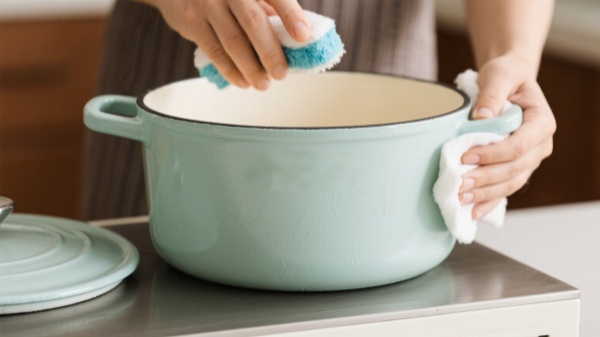
- Let the pot cool slightly before washing — avoid plunging very hot glass or enamel into cold water.
- Soak burnt bits; use a non-abrasive pad on polished stainless; use gentle cleaners on enamel per manufacturer advice.
- If using cast iron or carbon steel, dry and oil lightly after cleaning to protect seasoning.
Buying Checklist: What to Look for on Product Pages
- Clear “oven safe” statement and a maximum temperature.
- Capacity (quarts/liters) — shown prominently if you care about portions and oven fit.
- Handle and knob materials and whether knobs are removable or replaceable.
- Weight and ergonomics — especially for 6–8+ qt pots.
- Warranty, return policy, and accessible product manuals.
Quick Comparison: Which Material for Which Job
- Cast / enameled cast iron: best for even roasting, long braises and stocks; excellent oven safety but heavy.
- Stainless / multi-ply: versatile for searing and finishing in oven; good deglazing performance.
- Nonstick: easiest cleanup and low-fat cooking; check temp limits and avoid high-heat finishing.
FAQ — Direct Answers (Good for People Also Ask)
How do I know if my pot is oven safe?
Short answer: Look for an “oven safe” label or temperature rating on the pot, packaging, or the manufacturer’s product page; inspect handles and lids for plastic or wood parts that may limit the rating.
Then verify the SKU online if you need a precise maximum temperature.
What temperature is safe for a stainless steel pot?
Short answer: Many stainless and multi-ply pots are rated up to about 500°F (≈260°C), but exact ratings vary by model — check the manufacturer’s specs.
Can I put a nonstick pot in the oven?
Short answer: Sometimes — nonstick coatings commonly have lower temperature limits (often around 350–400°F); always check the product manual for the exact limit.
Are glass lids oven safe?
Short answer: Some are, but they have separate temperature limits and are more vulnerable to thermal shock; verify the lid rating and avoid sudden cooling.
Is cast iron oven safe?
Short answer: Yes — cast iron and enameled cast iron are typically safe at very high oven temperatures and are ideal for roasting and braising.
What pot quart size should I choose?
Short answer: Common sizes are 2 qt (sauces/single serve), 4 qt (small family sides), 6 qt (family meals/roasts), 8 qt and up (stocks, canning); pick a size that fits your portions and oven ergonomics.
If you plan to finish a dish in the oven, verify the pot’s oven rating, confirm the lid/handles, and make sure the pot fits your oven rack and you can safely lift it when hot.
The Complete Guide to Oven Safe Pots: Everything You Need to Know
Lagostina Cookware: Brand Overview, Core Construction, and Buying Guide