Mastering Oven-Safe Cookware: Material Secrets, Temperature Limits & Pro Techniques

1. Introduction
In recent years, one‑pot and finish‑in‑oven recipes have taken home kitchens by storm, offering a perfect blend of convenience and depth of flavor for busy families and avid cooks alike. From sheet‑pan dinners to stovetop‑to‑oven sears, this cooking style minimizes cleanup while elevating textures and aromas, making oven‑safe cookware a must‑have for any modern kitchen. However, not all pots and pans labeled “oven‑safe” are created equal—understanding materials, temperature ratings, and best practices is key to avoiding warped cookware, damaged handles, and unhealthy fumes.
2. What Is Oven‑Safe Cookware?
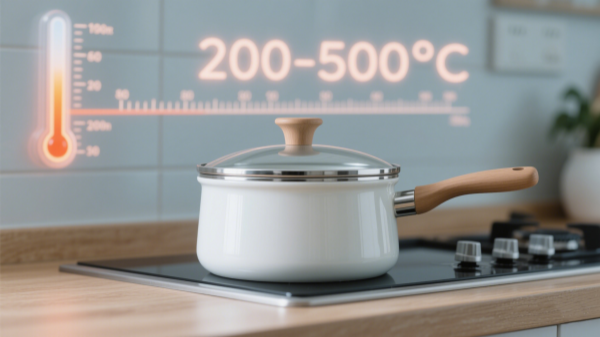
Oven‑safe cookware is designed to withstand the sustained high heat of an oven—often up to 500 °F or more—without warping, melting, or leaching harmful substances into food. Manufacturers determine these ratings through controlled stress tests, gradually exposing the cookware to increasing temperatures and checking for structural integrity, coating degradation, and handle stability. Always verify the printed or online “oven‑safe up to” temperature on labels and packaging of oven safe pots and pans before trust ing a pan in your next bake or broil.
3. Common Materials & Temperature Ratings
| Material | Max Temp | Pros / Cons |
|---|---|---|
| Cast Iron & Carbon Steel | > 500 °F | Exceptional heat retention; needs seasoning; heavy |
| Stainless Steel | ≈ 500 °F | Durable, non‑reactive; watch for plastic handles |
| Ceramic & Enameled | 400 °F – 500 °F | Non‑toxic nonstick; may chip if overheated |
| Glass & Silicone | ≈ 450 °F / 428 °F | Great for baking; brittle (glass) or flexible (silicone) |
| Ceramic‑Coated Aluminum | ≈ 450 °F+ | Lightweight, fast heating, non‑toxic coating |
3.1 Cast Iron & Carbon Steel
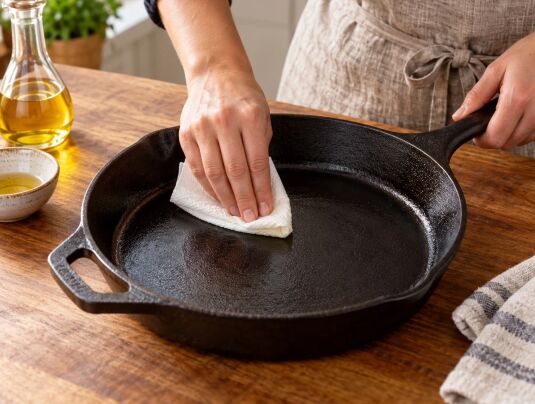
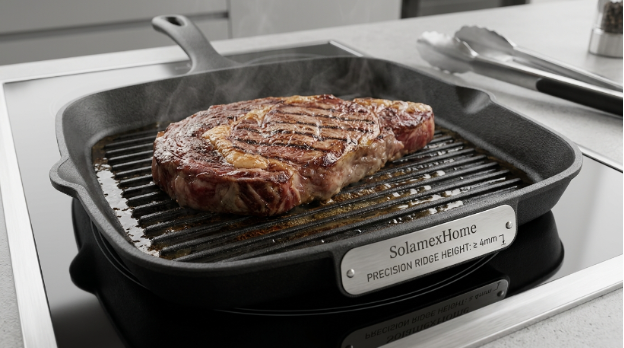
Cast iron and carbon steel excel in searing and finishing in the oven, thanks to their unmatched heat retention and stability at temperatures often exceeding 500 °F. Though heavy, they develop a natural nonstick patina when seasoned properly, making them favorites among pros and home chefs alike.
3.2 Stainless Steel
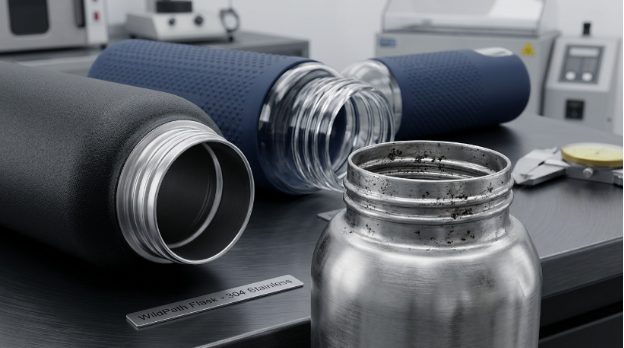
Stainless steel pans are prized for their durability, corrosion resistance, and non‑reactive nature. Most are rated to about 500 °F, but always check for plastic or rubberized handle inserts, which can limit oven use.
3.3 Ceramic & Enameled Cookware
Ceramic and enameled pots deliver a PFOA‑ and PTFE‑free nonstick surface and typically handle 400 °F to 500 °F. They’re easy to clean but prone to chipping if overheated or dropped.
3.4 Glass & Silicone
Borosilicate glass bakeware is oven‑safe to roughly 450 °F, ideal for casseroles and desserts. Silicone molds withstand up to 428 °F, perfect for muffins and artisanal cakes, but avoid direct broiler exposure.
3.5 Ceramic‑Coated Aluminum
Combining an aluminum core with a natural ceramic nonstick coating, these pans heat almost instantly and distribute temperature evenly. They remain lightweight for easy maneuvering and boast a toxin‑free surface free of PFOA, PFAS, lead, and cadmium. With temperature ratings often above 450 °F, they strike an ideal balance between performance and safety in modern ovens.
4. Benefits of Oven‑Safe Cookware
Seamless one‑vessel cooking with oven‑safe cookware eliminates extra dishes and dramatically cuts down on cleanup time, making it a boon for busy home kitchens. By keeping meats, vegetables, and sauces together, you capture every drip of flavorful juices and preserve water‑soluble vitamins that would otherwise be lost, boosting both taste and nutritional value.
An enclosed oven environment ensures consistent all‑around heat, promoting even cooking and enhancing the Maillard reaction for richer browning and deeper flavor than stovetop methods alone. High‑quality oven‑safe pans also transition effortlessly from searing on the range to roasting, braising, or baking, allowing you to tackle multiple techniques—like frittatas, stews, and casseroles—in a single vessel. Consolidating steps in one pan reduces the need for repeated preheating cycles, which can lower overall energy use in your kitchen and make cooking more efficient
5. Usage & Best Practices
5.1 Checking Manufacturer Guidelines
Always verify the stated maximum oven temperature on the product packaging or official website. Reputable brands provide clear “oven-safe up to” ratings; if in doubt, contact customer support before use.
5.2 Proper Preheating & Avoiding Thermal Shock
Never place cold cookware directly into a searing hot oven—especially glass or ceramic—to avoid cracking. Instead, preheat the pan with the oven or allow the pan to warm alongside the appliance.
5.3 Handle & Lid Considerations
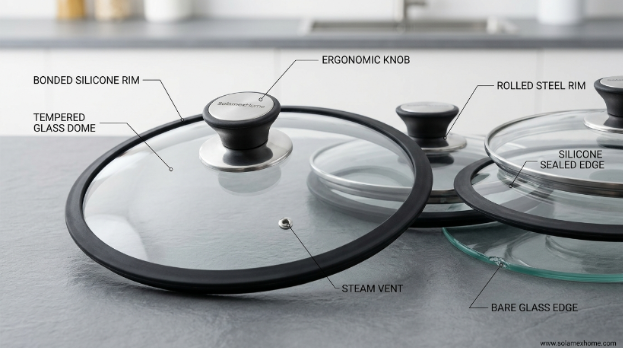
Choose pans with metal handles or fully oven-rated silicone grips. Wooden or plastic inserts may melt or emit fumes if exposed to high heat. Similarly, glass lids must carry an oven-safe icon and temperature limit to ensure safety.
6. Precautions & Common Pitfalls
Traditional nonstick coatings can degrade above 500 °F and emit unhealthy fumes; avoid broiling in Teflon pans and replace any cookware made before 2013 that carries PTFE. Likewise, mixed‑material cookware may advertise “oven‑safe” but only to the lowest component rating—read the fine print carefully.
7. Maintenance & Care
7.1 Seasoning Cast Iron & Carbon Steel
To maintain a nonstick patina, coat your clean pan with a thin layer of high‑smoke‑point oil and bake upside down at 400 °F for 1 hour, repeating 2–3 times.
7.2 Cleaning Stainless Steel & Ceramic
For stainless steel, hand‑wash with hot, soapy water and a soft towel; immediately dry to prevent water spots. For stubborn residue, boil a vinegar‑water mix, then scrub gently. Ceramic surfaces clean easily with a non‑scratch sponge and mild soap—avoid metal utensils that may scratch the coating.
7.3 Storage & Protection
Protect delicate surfaces by placing pan protectors or soft cloth between stacked cookware. Store lids separately or inverted to reduce pressure on rims and handles.
8. Buying Guide & Recommendations
8.1 Key Features to Look For
- Clear maximum temperature rating
- All‑metal (or fully rated) handles and knobs
- High‑quality construction (tri‑ply, hard‑anodized, etc.)
- Reputable brand warranty and customer support
These attributes ensure reliable performance and peace of mind when pushing your oven-safe cookware to its limits.
8.2 Top Recommended Brands & Models
- Lodge Cast Iron Skillet – rugged, well‑seasoned, and built to last.
- All‑Clad D3 Stainless Steel – professional tri‑ply construction and 500 °F rating.
- Caraway Ceramic‑Coated Set – aluminum core with PFOA‑free ceramic, heats fast and cleans easily.
- Le Creuset Enameled Dutch Oven – iconic for braises and casseroles, rated to 500 °F.
9. Conclusion & Final Tips
Investing in true oven‑safe cookware elevates your cooking repertoire, streamlines meal prep, and extends the lifespan of your pans. Always verify temperature ratings, choose the right material for your recipes, and maintain your cookware through seasoning, proper cleaning, and careful storage. With the right knowledge and equipment, you’ll master stovetop‑to‑oven efficiency and create flavorful, nutritious dishes in a single vessel—every time.
Die Cast Aluminum Cookware: A Guide to Safety, Performance, and Modern Innovations
Oven-Safe Cookware: A Comprehensive Guide to Materials, Selection, and Use