Mastering the Skillet Selection: A Data-Driven Guide to Material, Design, and Performance
Mastering the Skillet Selection: A Data-Driven Guide to Material, Design, and Performance
1. Introduction: The Science of Skillet Selection
Your frying pans isn’t just a tool—it’s a culinary investment. From searing steaks to frying eggs, the right pan can elevate your cooking experience. But with materials ranging from cast iron to ceramic-coated aluminum, how do you choose one that aligns with your needs?
The skillet market is projected to grow at a 4.1% CAGR (2024–2030), driven by demand for eco-friendly and multifunctional designs . This growth reflects a shift toward conscious consumerism, where users prioritize non-toxic coatings, oven safety, and sustainability.
2. Material Selection: The Foundation of Performance
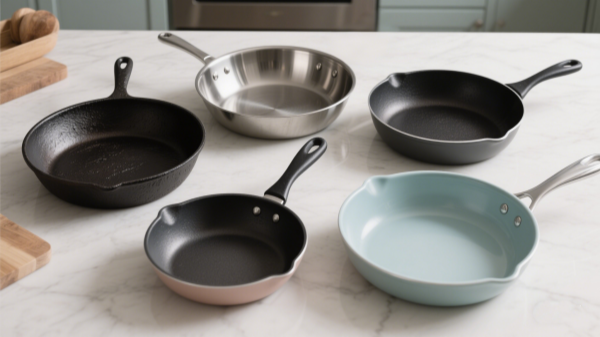
The material of your frying pans dictates its heat retention, durability, and safety. Below, we analyze key materials through the lens of user priorities:
2.1 Cast Iron: The Timeless Workhorse
Advantages: Retains heat for searing, naturally non-stick with seasoning, and affordable (e.g., Lodge skillet for $20) . Its iron composition even adds dietary iron to meals, making it ideal for iron supplementation .
Drawbacks: Cast iron cookware is Heavy (6.2 lbs for 10.25-inch), requires maintenance, and is reactive to acidic foods. Not dishwasher-safe .
Ideal For: High-heat cooking (steaks, cornbread) and outdoor grilling. Lodge’s 12-inch skillet is a top-rated budget pick .
2.2 Stainless Steel: Precision and Elegance
Advantages: Stainless Steel cookware is Non-reactive, dishwasher-safe, and induction-compatible. Clad designs (e.g., All-Clad) blend stainless steel with aluminum for even heat . Resistant to chemical leaching, making it safe for acidic foods like tomatoes .
Drawbacks: Steeper learning curve for non-stick cooking. Requires oil to prevent sticking.
Ideal For: Searing, sauces, and gourmet recipes. Made In’s stainless steel skillet is praised for its balance of performance and value .
2.3 Non-Stick (Ceramic & Teflon): Convenience vs. Longevity
Ceramic: Eco-friendly, PFOA-free, but less durable (e.g., Caraway pans). Best for low-medium heat . Requires oil for optimal non-stick performance and lasts 2–3 years with proper care .
Teflon: Superior non-stick but limited heat resistance (up to 500°F). Modern PFOA-free versions reduce health risks . T-Fal’s ceramic non-stick pans offer affordability without compromising safety .
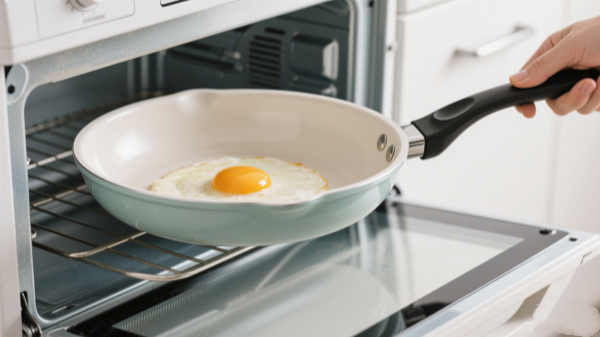
Dishwasher Safety: Most non-stick pans require hand-washing to preserve coating .
Ideal For: Eggs, delicate dishes, and easy cleanup.
2.4 Carbon Steel: Lightweight and Versatile
Advantages: Lighter than cast iron (2.6 lbs), develops natural non-stick over time.
Drawbacks: Requires seasoning and hand-washing. Not as heat-retentive as cast iron.
Ideal For: Sautéing, stir-fries, and camping.
2.5 Aluminum
Aluminum: Lightweight, excellent heat conduction but prone to scratching. Anodized versions (e.g., Lloyd’s) or ceramic coating offer durability .
| Material | Heat Resistance | Non-Stick Performance | Durability | Price Range |
|---|---|---|---|---|
| Cast Iron | 650°F+ | Natural (with seasoning) | Decades | $20–$100 |
| Stainless Steel | 500°F | Moderate (requires oil) | Lifetime | $50–$300+ |
| Cast Aluminum Ceramic Non-Stick | 450°F | Good (PFOA-free) | 2–3 years | $50–$150 |
| Carbon Steel | 600°F+ | Develops over time | Decades | $30–$100 |
3. Design & Practicality: Size, Weight, and Ergonomics
3.1 Size Matters: Choosing the Right Diameter
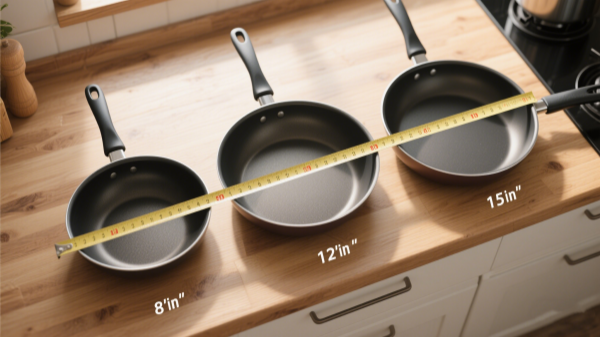
Household Size: 10–12-inch pans serve 2–4 people; 15-inch for large families. A 12-inch pan is versatile for skillet meals and pan-frying .
Specialty Uses: 8–10-inch non-stick pans for eggs/breakfast; 14-inch carbon steel for stir-fries.
How to Measure a Frying Pan: Determine the diameter across the top of the pan, from one inner edge to the opposite.
3.2 Weight Considerations: Balancing Performance and Comfort
Material Impact: Cast iron (6.2 lbs) vs. carbon steel (2.6 lbs) for 10.25-inch pans. Heavier pans retain heat better but may strain wrists .
Handle Design: Stainless steel or silicone-coated handles for oven use; avoid plastic/wooden handles above 350°F .
Ergonomics: Curved handles reduce wrist strain and improve grip .
3.3 Stovetop Compatibility
Induction: Look for magnetic bases (e.g., Tramontina’s tri-ply sets) .
Gas/Electric: All materials work, but cast iron may require larger burners .
4. Performance & Functionality: Beyond Basic Cooking
4.1 Heat Resistance & Oven Safety
Temperature Limits: Verify manufacturer guidelines (stainless steel: 500°F; non-stick: 450°F) .
Handle Heat Retention: Long handles stay cooler during stovetop use .
4.2 Non-Stick Performance
Ceramic: Requires oil for optimal non-stick; lasts 2–3 years with proper care .
Hard-Anodized Aluminum: Scratch-resistant (e.g., Cuisinart’s Chef’s Classic) .
4.3 Heat Distribution
Clad Technology: 3-ply (stainless steel + aluminum + stainless steel) ensures even heating without hot spots . All-Clad’s D5 line is a benchmark for this design .
5. Budget-Friendly to Luxury: Price Range Analysis
5.1 Budget ($20–$50)
Best Picks: Lodge cast iron, T-Fal ceramic, Vollrath carbon steel.
Trade-offs: Limited durability (non-stick) or heavier weight (cast iron) .
5.2 Mid-Range ($50–$150)
Best Picks: Made In stainless steel, Caraway ceramic, Le Creuset enameled cast iron.
Value: Balances quality and features (e.g., induction compatibility) .
5.3 Luxury ($150+)
Best Picks: All-Clad D5, Scanpan Classic, Hestan copper.
Investment: Lifetime warranties and premium performance.
5.4 Wholesale Excellence: Solamex Cookware
For businesses, restaurants, or bulk buyers, Solamex stands out as a top wholesale choice of cookware, blending versatility, customization, and cost-effectiveness.
- Material & Design Flexibility: Offers bulk options in cast iron, stainless steel, and ceramic-coated aluminum, with customizable sizes (8–16 inches) and color finishes to match brand aesthetics.
- Health-Centric Coatings: All non-stick models feature PFOA-free, food-grade ceramic coatings, meeting strict safety standards without compromising on easy cleanup.
- Wholesale Pricing: Competitive bulk discounts start at 20+ units, making it ideal for commercial kitchens, retailers, or hospitality chains—without sacrificing the durability of premium materials.
6. Case Studies: Real-World Scenarios
6.1 The Busy Professional
Need: Quick meals, easy cleanup.
Recommendation: Ceramic non-stick pan (e.g., Caraway) for eggs and stir-fries . Its PFOA-free coating and lightweight design align with convenience and health goals.
6.2 The Health-Conscious Chef
Need: Non-toxic, versatile.
Recommendation: Stainless steel clad pan (e.g., All-Clad) for searing and sauces . Its non-reactive surface and even heat distribution support gourmet cooking.
6.3 The Eco-Consumer
Need: Sustainable materials, minimal waste.
Recommendation: Enameled cast iron (Le Creuset) or recycled aluminum (GreenPan and Solamex) . Both brands prioritize eco-friendly practices, such as recycled materials and carbon-neutral production .
7. Innovation & Future Trends
7.1 Smart Skillets
Technology: Bluetooth-connected pans (e.g., Anova Precision Skillet) with real-time temperature monitoring. Market projected to grow 12% annually through 2030 .
App Integration: Recipe guidance and remote control for precise cooking.
7.2 Sustainable Materials
Recycled Aluminum: Brands like GreenPan use 100% recycled aluminum and plant trees per purchase .
Biodegradable Coatings: Emerging ceramic coatings derived from natural minerals .
7.3 Modular Design
Detachable Handles: Pans like Our Place’s Always Pan double as serving dishes .
8. Conclusion: Your Perfect Skillet Awaits
Choosing the right skillet requires balancing material science, design practicality, and personal priorities. Whether you’re a health-conscious chef prioritizing non-toxic coatings or an eco-consumer seeking sustainable materials, the market offers tailored solutions.
How Big Is 2QT? A Comprehensive Guide for Kitchen Enthusiasts
Is Your Pan Oven-Safe? A Complete Guide to Checking, Choosing, and Using Oven-Safe Cookware