Oven-Safe Cookware: A Comprehensive Guide to Materials, Selection, and Use

Table of Contents
1. Introduction: The Importance of Oven-Safe Cookware
Oven-safe cookware is a cornerstone of modern kitchen efficiency, allowing seamless transitions from stovetop to oven for dishes like seared steaks, roasted vegetables, or baked casseroles. With the global cookware market, especially in oven-safe cookware projected to grow at a steady pace through 2032 , understanding the materials, safety standards, and best practices for oven use is essential. This guide explores key materials, selection criteria, and practical tips to help you make informed choices.
Core Advantages of Oven-Safe Cookware
- Efficiency: Reduce dishwashing by using the same pan for cooking and baking.
- Safety: Avoid toxic fume release from non-oven-safe materials like traditional non-stick coatings .
- Versatility: Suitable for high-heat cooking methods like broiling, roasting, and baking.
Common Myths to Avoid
Myth: All Metal Cookware Is Oven-Safe
While stainless steel and cast iron are oven-safe, aluminum pans without ceramic coatings may leach harmful metals when heated . Always check product labels for FDA certification and temperature limits.
2. Key Materials for Oven-Safe Cookware
Choosing the right material depends on your cooking needs, budget, and desired durability. Below are the most common oven-safe materials and their applications:
Metals: Durability and Heat Retention
Stainless Steel
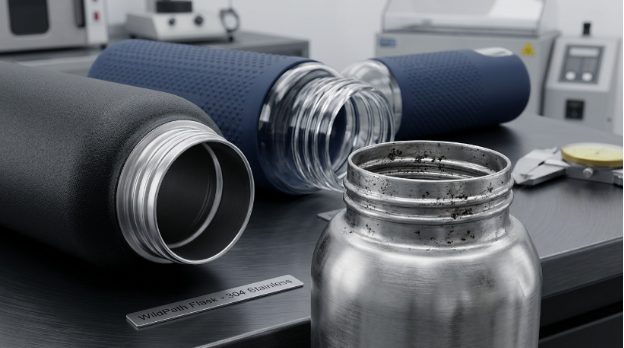
Renowned for its corrosion resistance and even heating, stainless steel is ideal for high-temperature cooking. Brands like All-Clad and Le Creuset offer premium options with multi-ply construction for superior heat distribution . Look for 304-grade stainless steel, which is FDA-approved for food contact .
Cast Iron
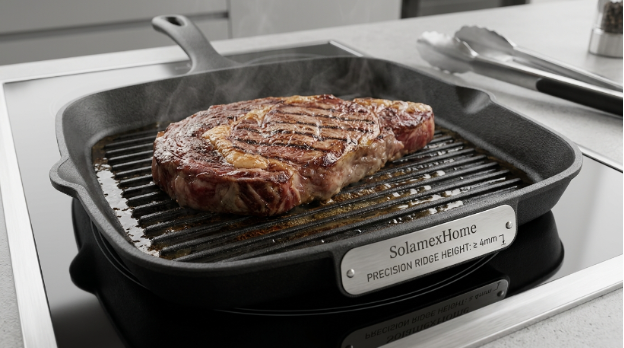
A timeless choice for its heat retention and natural non-stick properties when properly seasoned. Lodge cast iron skillets are a favorite for searing meats and baking bread . However, they require regular maintenance to prevent rust.
Ceramics and Glass: Aesthetic and Non-Reactive
Enameled Cast Iron
Combines the durability of cast iron with a glass-like enamel coating, eliminating the need for seasoning. Le Creuset and Staub are top brands for enameled Dutch ovens, perfect for slow-cooking stews and braises .
Borosilicate Glass (e.g., Pyrex)
Transparent and heat-resistant up to 450°F, borosilicate glass is excellent for baking desserts and casseroles. However, sudden temperature changes can cause cracking, so avoid placing cold glassware directly into a hot oven .
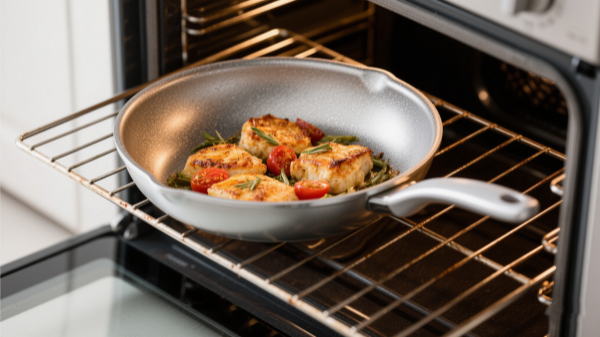
Die Cast Aluminum with Non-Stick Ceramic Coating
- Key Advantages:
- Superior Heat Conductivity: Aluminum core ensures fast, even heating, while the ceramic coating eliminates hot spots .
- Non-Stick Performance: Ceramic coatings like Solamex or Caraway’s Sol-Gel technology offer easy food release without PFOA/PFAS .
- Oven Safety: Most models are rated for 500°F+, suitable for broiling, roasting, and searing .
- Top Brands:
- Solamex: Features die-cast aluminum with ceramic, resistant to metal utensils and high heat .
- Caraway: Stylish, eco-friendly designs with induction-compatible bases and scratch-resistant coatings .
- Maintenance Tips: Avoid prolonged high-heat use (over 500°F) to prevent coating degradation. Clean with soft sponges to preserve the non-stick surface.
Emerging Materials
Silicone
Flexible and heat-resistant up to 480°F, silicone is ideal for baking molds and trivets. It’s non-stick and dishwasher-safe but may degrade with prolonged high-heat use .
Why Die Cast Aluminum with Ceramic Coating Stands Out
This category bridges the gap between performance and practicality. The aluminum core ensures rapid heat-up for efficient cooking, while the ceramic coating addresses common concerns with traditional non-stick pans:Longevity: Properly cared for, ceramic coatings can last 3–5 years with regular use, outperforming standard non-stick finishes .
Multi-Surface Compatibility: Most models work on induction, gas, and electric stoves, making them a versatile kitchen staple.
3. Choosing the Right Oven-Safe Cookware
Selecting the best oven-safe cookware involves evaluating materials, design, and practicality. Here’s a breakdown of key factors:
Key Selection Criteria
- Temperature Thresholds: Ensure the cookware meets your needs (e.g., 500°F for broiling vs. 350°F for baking).
- Multi-Surface Compatibility: Check if it works on induction, gas, or electric stoves.
- Handle Design: Opt for heat-resistant handles (metal or silicone) to avoid burns.
Expert Recommendations
Best Brands for Oven-Safe Cookware
- All-Clad: Premium stainless steel for professional-grade performance .
- Le Creuset: Iconic enameled cast iron for slow cooking .
- Lodge: Affordable cast iron for everyday use .
- Solamex: Ceramic-coated cookware with a focus on sustainability .
4. Special Scenarios and Advanced Techniques
Oven-safe cookware excels in various cooking scenarios. Here’s how to maximize its potential:
Oven Types and Adaptations
- Convection Ovens: Reduce temperature by 25°F and cooking time by 10-20% to prevent overcooking .
- Steam Ovens: Use ceramic or glassware to retain moisture; avoid silicone, which may deform .
Health-Conscious Cooking
Oven-safe cookware supports healthier cooking methods:
- No-Oil Baking: Utilize silicone molds or well-seasoned cast iron to minimize fat .
- Acidic Foods: Opt for stainless steel or enameled cast iron to prevent metal leaching .
5. Maintenance and Lifespan Tips
Proper care ensures your cookware lasts for years:
Material-Specific Care
- Stainless Steel: Use non-abrasive cleaners to avoid scratching; vinegar removes water spots .
- Cast Iron: Dry immediately after washing and re-season regularly to prevent rust .
- Ceramic/Glass: Avoid sudden temperature changes and use soft brushes for cleaning .
Common Issues and Solutions
Stuck Food on Stainless Steel
Soak the pan in warm water with dish soap. For stubborn residue, use a paste of baking soda and water.
6. Conclusion: Making Informed Choices
Investing in high-quality oven-safe cookware enhances your culinary versatility while prioritizing safety and durability. Whether you’re a home cook or professional chef, understanding materials, selection criteria, and maintenance practices ensures long-term satisfaction. Always verify FDA certifications and follow manufacturer guidelines to make the most of your kitchen tools.
Appendix: Oven-Safe Cookware Comparison Table
| Material | Max Temperature | Key Advantages | Maintenance Tips |
|---|---|---|---|
| Stainless Steel | 500°F+ | Durable, non-reactive, multi-surface compatible | Avoid abrasive cleaners; vinegar for stains |
| Cast Iron | 600°F+ | Excellent heat retention, natural non-stick | Season regularly; dry immediately |
| Enameled Cast Iron | 500°F | No seasoning needed | Avoid metal utensils; hand wash |
| Die-cast Aluminum ceremic Coating | 500°F | Transparent, PFOA/PFAS-free, non-stick, Compatible with induction, gas, and electric stoves | Handle with care; Avoid metal utensils to prevent scratches |
| Silicone | 480°F | Flexible, non-stick | Hand wash; avoid sharp objects |
Mastering Oven-Safe Cookware: Material Secrets, Temperature Limits & Pro Techniques
How to Choose the Right Pot and Skillet Sizes for Your Cooking Needs