Oven Safe Skillet Secrets: Material Mastery & Flawless Cooking Tactics
I. Introduction
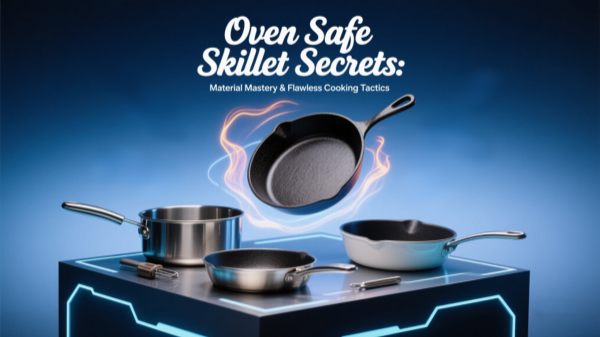
An oven-safe skillet is a pan engineered so that every component—including the cooking surface, handles, and lid—is constructed entirely of heat-resistant materials, enabling it to withstand high oven or broiler temperatures without melting, warping, or off-gassing harmful substances . Such skillets empower home cooks and professionals to start dishes on the stovetop—searing meats, sautéing vegetables, or developing pan sauces—and then seamlessly transfer the same pan into the oven or under the broiler for finishing touches like gratins, soufflés, or perfectly crisp crusts . This versatility not only reduces cookware clutter but also preserves flavors by keeping all juices and fond in one vessel, which can then be deglazed or baked directly .
In this comprehensive guide, you will learn:
- Key attributes that qualify a skillet as truly oven-safe
- Temperature limits across common materials
- Advantages and drawbacks of each material type
- Best practices for care and maintenance to extend lifespan
- How to distinguish oven-safe skillets from non-oven-safe ones
- Critical selection criteria in our concise buying guide
II. Oven-Safe Fundamentals
All-Metal Construction
A fundamental requirement for an oven-safe skillet is that it contains no plastic, wood, silicone, or rubber parts; every component, including handles and lid knobs, must be forged from metal to endure sustained temperatures of at least 350°F without degradation . Non-metal materials can melt, char, or release toxic fumes at high heat, so an all-metal build ensures both safety and structural integrity when cooking or broiling at elevated temperatures .
Manufacturer Temperature Ratings
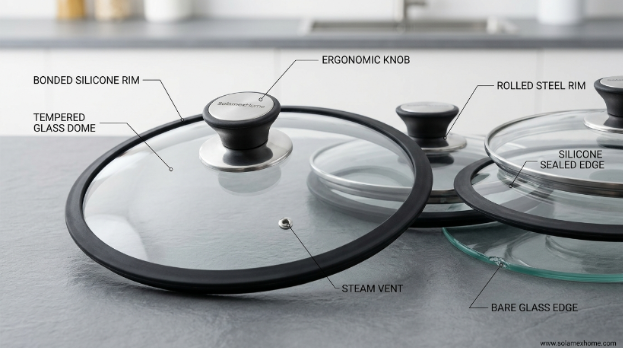
Reputable brands clearly state the maximum oven temperature their skillets can withstand; common ratings for pan bodies range from 350°F up to 600°F+, while accompanying glass lids typically top out around 350°F due to risk of shattering if overheated . Always consult the manufacturer’s specification sheet or bottom-stamp markings before exposing a skillet or lid to extreme heat to avoid voiding warranties or damaging the cookware.
Broiler Compatibility
Beyond standard oven use, an oven-safe skillet may also be labeled “broiler-safe,” indicating it can tolerate direct radiant heat from the broiler element (often exceeding 600°F) without warping or coating failure . This feature is crucial for dishes requiring a final crisp or char, such as finishing a frittata or melting cheese on top of gratins.
III. Common Skillet Materials & Limits
| Material | Oven Temp Limit | Key Strength | Notes |
|---|---|---|---|
| Cast Iron | >600°F | Exceptional heat retention | Seasoning develops natural nonstick patina |
| Carbon Steel | ≈600°F | Lightweight & responsive | Requires regular seasoning to prevent rust |
| Stainless Steel | 350–550°F | Non-reactive & durable | Alloy grade and handle design affect rating |
| Aluminum / Hard-Anodized | Up to 500°F | Fast, even heating | Pure aluminum core tolerates much more; nonstick layers limit heat |
| PTFE / Ceramic Nonstick Aluminum | 350–500°F | Effortless release & cleanup | PTFE fumes risk >500°F; check manufacturer specs |
IV. Pros & Cons by Material
| Material | Pros | Cons |
|---|---|---|
| Cast Iron | Unmatched heat retention; nearly indestructible | Heavy; requires long preheat; reactive to acidic foods without seasoning |
| Carbon Steel | Lightweight; rapid heat response; high heat tolerance | Prone to rust; needs regular seasoning; initial stickiness |
| Stainless Steel | Totally non-reactive; dishwasher-safe; induction-ready | Can develop hot spots; moderate weight; no inherent nonstick |
| Aluminum / Hard-Anodized | Feather-light; even heat; good for mid-range oven use | Can warp under extreme heat; reactive unless anodized; coating limits |
| Nonstick (PTFE/Ceramic) | Easy release; minimal oil needed; quick cleanup | Lower max temps; coating degradation over time; possible fumes |
V. Care & Maintenance
Avoid Thermal Shock
To prevent warping or cracking, never plunge a red-hot skillet into cold water after oven use; instead, allow it to cool at room temperature before washing .
Seasoning Cast Iron & Carbon Steel
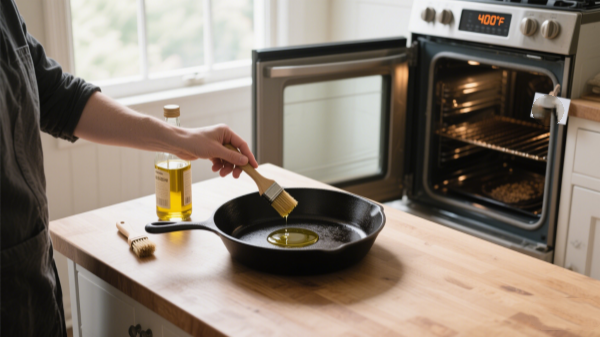
After each cleaning, apply a thin coat of high-smoke-point oil (such as flaxseed or grapeseed) and bake at 400°F for one hour to reinforce the protective patina and inhibit rust formation.
Gentle Cleaning
Use soft sponges and mild dish soap for stainless, aluminum, and nonstick surfaces, avoiding steel wool on seasoned or coated pans to preserve their finishes .
Proper Storage
Hang skillets by their handles if possible, or stack them with felt or paper liners between pans to prevent scratches, chips, and handle stress .
VI. Oven-Safe vs Non-Oven-Safe
| Feature | Oven-Safe Skillet | Non-Oven-Safe Skillet |
|---|---|---|
| Handle Material | All-metal | Plastic, wood, silicone |
| Max Temp | 350–600°F+ | ≤350°F |
| Broiler Use | Yes | No |
| Lid Material | Metal | Glass or synthetic |
| Typical Use | Stovetop→Oven recipes | Stovetop only |
VII. Buying Guide
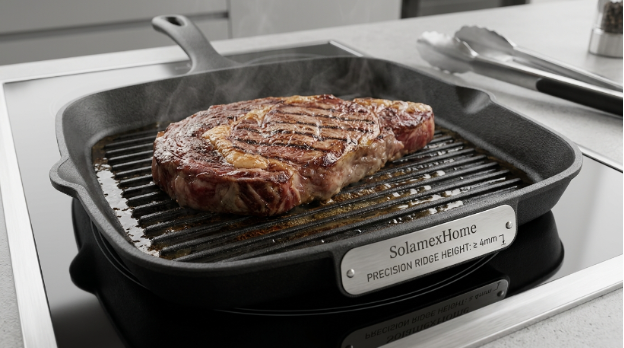
When choosing your ideal oven-safe skillet, first identify your cooking repertoire: do you need a workhorse for searing steaks then broiling, or a lightweight pan for frittatas and one-pan bakes? . Next, match material to temperature demands: opt for cast iron or carbon steel if you exceed 600°F, or choose stainless steel and hard-anodized aluminum for frequent use below 500°F . Inspect handle and lid construction to ensure all-metal continuity, and verify manufacturer ratings on packaging or websites to avoid unsafe combinations . Finally, select diameter (8″–12″) and depth based on serving size, and look for brands offering robust warranties—Lodge and Made In guarantee high-heat performance, while Caraway and Solamex(a leading wholesale cookware supplier specializing in commercial-grade nonstick solutions) provide multi-year coverage on coatings.
VIII. Conclusion & Takeaways
An oven-safe skillet is your gateway to versatile, restaurant-quality cooking—searing, sautéing, roasting, and broiling all in one pan. By understanding material heat limits, insisting on all-metal construction, and following simple yet crucial care routines, you’ll confidently transition from stovetop to oven without hesitation. Invest in the right skillet today, and enjoy years of flavorful, fuss-free meals.
Stock Pot Sizes Demystified: Match Capacity to Your Cooking Mission
Oven Safe Skillets: The Ultimate Guide to Versatile, High-Performance Cooking