Oven Safe Skillets and Pots: Your Expert Guide to Seamless Stovetop-to-Oven Cooking
Introduction: Why Oven-Safe Cookware Matters
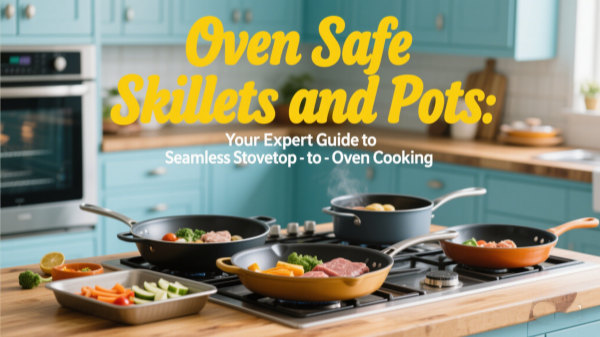
In today’s fast-paced kitchens, seamless stovetop-to-oven transitions have become indispensable. Whether you’re searing a steak before finishing it under the broiler, or baking a frittata straight from the range, having reliable oven-safe cookware means fewer dishes, less hassle, and more evenly cooked results. Let’s explore why an oven-safe skillet and an oven-safe pot are the unsung heroes of home cooking — and how to choose the right one for your culinary adventures.
What Does “Oven-Safe” Really Mean?
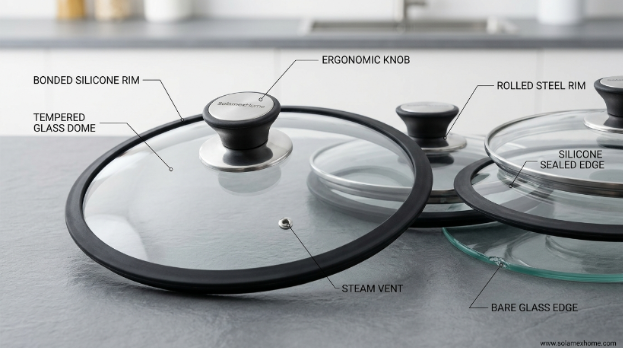
At its core, “oven-safe” means your pan or pot can withstand sustained high heat (often up to 500°F or more) without warping, melting, or releasing harmful fumes. Check for:
- Maximum temperature rating stamped on the base or packaging.
- All-metal handles (plastic or wood may limit heat tolerance).
- Manufacturer guidance (symbols or clear “oven-safe” labels).
Remember: an oven-safe piece on the stovetop might not fare well under a broiler’s direct radiant heat. Always verify both “oven” and “broiler” limits.
Deep Dive: Oven-Safe Skillets
Let’s compare the most popular skillet materials — including ceramic-coated cast aluminum — so you can pick the best pan for searing, sautéing, and baking.
| Material | Max Oven Temp | Pros | Cons |
|---|---|---|---|
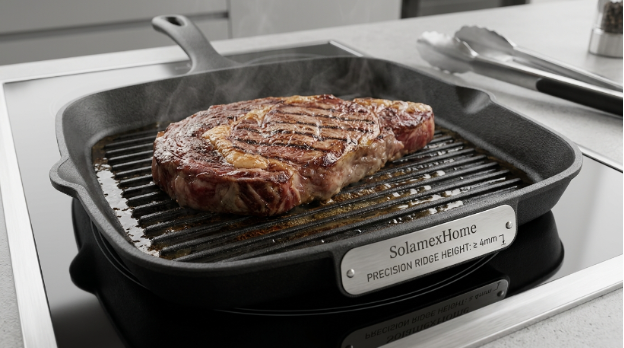
| Cast Iron | Up to 600°F+ | Unmatched heat retention; naturally nonstick when seasoned. | Heavy; requires seasoning and careful cleaning. |
| Stainless Steel (Tri-Ply) | Up to 500°F | Responsive heating; non-reactive surface; easy cleanup. | Food can stick without enough fat; pricier. |
| Carbon Steel | Up to 600°F | Lightweight cast-iron alternative; becomes naturally nonstick. | Needs seasoning; can rust if not dried properly. |
| Ceramic-Coated Cast Aluminum | Up to 500°F | Lightweight; PTFE-free nonstick; no seasoning required | Coating wears over time; avoid metal utensils. |
Notice how ceramic-coated cast aluminum slots right alongside the other materials, offering a lightweight, health-conscious nonstick option that’s oven-safe up to around 500°F — ideal for quick bakes and finishing sauces under the broiler.
Deep Dive: Oven-Safe Pots
Pots come in many shapes and sizes — from shallow sauté pans to deep stockpots — but the material story remains the same. Here’s how they stack up:
| Type & Material | Max Oven Temp | Ideal Use |
|---|---|---|
| Enamelled Cast Iron Dutch Oven | Up to 550°F | Slow braises, stews, bread baking |
| Bare Cast Iron Dutch Oven | Up to 600°F+ | High-heat searing then slow cooking |
| Stainless Steel (Tri-Ply) | Up to 500°F | Sauces, soups, pasta |
| Hard-Anodized Aluminum | Up to 500°F | Even heating for gravies, risottos |
| Ceramic-Coated Cast Aluminum | Up to 500°F | Easy-clean one-pot dishes, hot dips |
Whether you’re planning a one-pot braise or a sheet-pan dinner, a ceramic-coated cast aluminum sauté pan gives you all the nonstick benefits — just be gentle with utensils to extend its lifespan.
Skillet vs. Pot: Choosing the Right Vessel
When do you grab your skillet, and when is it time for a pot? Ask yourself:
- Do I need a shallow, wide surface for crisply seared edges? → Skillet.
- Am I making a liquid-based dish or feeding a crowd? → Pot.
With that sorted, let’s turn to safety guidelines so you can cook with confidence.
Safety & Temperature Guidelines
Even “oven-safe” pans have limits. Here’s how to be sure:
- Check handle materials: Silicone or plastic grips often cap at 350–400°F.
- Understand broiler usage: Direct heat from above can exceed 600°F — only cast iron or metal-handled pans should go under the broiler.
- Perform a simple test: Preheat the empty pan at 350°F for 10 minutes to verify stability.
Always refer to your manufacturer’s guidelines to avoid warping or damage.
Care, Maintenance & Longevity
Proper care makes the difference between a pan that lasts a season and one that becomes a family heirloom. Follow these tips:
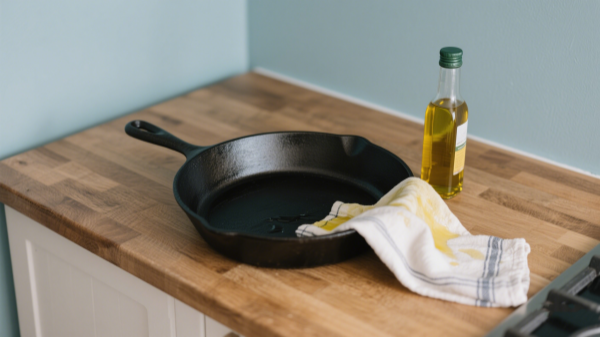
- Season cast iron: Regular oil treatments keep the surface slick and rust-free.
- Avoid thermal shock: Don’t plunge a hot pan into cold water; let it cool gradually.
- Hand-wash ceramic coatings: Though some brands claim dishwasher safety, gentle washing preserves nonstick performance.
- Use protective liners: When stacking, insert silicone pads to prevent scratches.
Innovative Recipes & Use-Cases
Ready for some inspiration? Try these one-dish wonders:
- Skillet-Baked Shakshuka: Sauté peppers → crack eggs → bake until set.
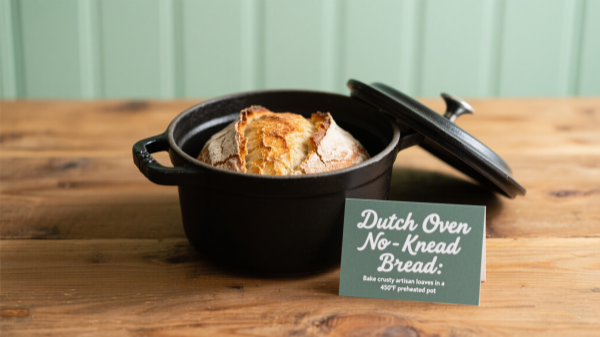
- Dutch Oven No-Knead Bread: Bake crusty artisan loaves in a 450°F preheated pot.
- Ceramic-Coated Pan Hot Dip: Layer cheeses and chilies → bake → serve straight from the pan.
Each recipe highlights the versatility of your oven-safe gear — and cuts down on dishes to wash afterward!
Travel-Friendly & Outdoor Cooking
Believe it or not, many oven-safe skillets double as camping cookware. Carbon steel and cast iron pans can rest on coals; ceramic-coated cast aluminum pans work over portable stoves. Pack light with a 10″ skillet that roasts, sears, and even bakes biscuits over a camp stove or grill.
Buying Guide: What to Look For
When investing in cookware, consider:
- Budget tiers: Under \$30 (entry-level cast iron), \$30–\$100 (ceramic-coated aluminum), \$100+ (pro-grade stainless steel or tri-ply).
- Trusted brands: Lodge (cast iron), Our Place (ceramic, up to 450°F), Caraway (stainless & ceramic up to 550°F), All-Clad (tri-ply steel), Solamex (Ceramic Coating Aluminum Commerical Cookware).
- Warranty & support: Look for lifetime guarantees or easy replacement programs.
Conclusion & Next Steps
By choosing the right oven-safe skillet and oven-safe pot, you unlock a world of one-pan meals, fuss-free roasting, and seamless stovetop-to-oven transitions. Now that you know the materials, safety checks, and cleaning tips, why not pick one new recipe — perhaps a skillet shakshuka or dutch-oven bread — and put your cookware to the test this week? Your future self (and dishwasher) will thank you!
The Ultimate Guide to Oven-Safe Skillets & Pots: Unlocking Versatility in Modern Cooking
Cast Aluminum Cookware: Lightweight Powerhouse or Die-Cast Durability? Your 2025 Buyer’s Guide