Oven Safe Skillets: The Ultimate Guide to Versatile, High-Performance Cooking

Table of Contents
- 1. Introduction: The Evolution of Oven Safe Skillets
- 2. Understanding Oven Safe Skillets: Key Features & Materials
- 3. Advantages of Oven Safe Skillets
- 4. Comparative Analysis: Oven Safe vs. Traditional Skillets
- 5. Choosing the Right Oven Safe Skillet
- 6. How to Use Your Oven Safe Skillet Like a Pro
- 7. Maintenance & Longevity
- 8. Common Pitfalls to Avoid
- 9. 2025 Trends in Oven Safe Skillets
- 10. Conclusion: Elevate Your Cooking with Oven Safe Skillets
- 11. FAQ: Your Burning Questions Answered
1. Introduction: The Evolution of Oven Safe Skillets
Imagine searing a steak on the stovetop, then transferring it to the oven to finish cooking—all in one pan. Oven safe skillets make this seamless transition possible, revolutionizing modern cooking. In 2025, these versatile tools are no longer just a kitchen luxury but a necessity, driven by the rise of one-pan meals, sustainable living, and demand for multi-functional cookware.
The shift toward oven-safe designs stems from the need for efficiency and reduced kitchen clutter. Traditional skillets often require transferring food to oven-safe dishes, risking damage to delicate meals like fish or frittatas. Oven safe skillets eliminate this hassle, allowing recipes like skillet roasts, frittatas, and casseroles to be cooked entirely in one vessel. This not only saves time but also reduces dishwashing—a win for busy home cooks and professionals alike.
This guide explores the science, benefits, and practicalities of oven safe skillets, empowering readers to choose, use, and maintain these tools while aligning with 2025’s culinary trends.
2. Understanding Oven Safe Skillets: Key Features & Materials
What Makes a Skillet Oven Safe?
A skillet’s oven safety hinges on three factors:
- Material Durability: Metals like cast iron, stainless steel, and aluminum inherently resist high heat. For example, cast iron can withstand temperatures up to 500°F (260°C), while stainless steel handles up to 600°F (315°C).
- Handle Design: All-metal handles (no plastic or silicone) ensure compatibility with high oven temperatures.
- Coatings: Enameled cast iron and ceramic non-stick coatings offer both safety and functionality. For instance, Nordic Ware’s Verde Ceramic Nonstick Skillet Set is oven-safe up to 350°F (177°C).
Material Breakdown
Understanding the pros and cons of each material is key to selecting the right skillet:
Cast Iron
Unbeatable heat retention and durability. Lodge’s pre-seasoned cast iron skillets are oven-safe up to 500°F and perfect for searing and baking. Their 12-inch skillet weighs just 7.9 pounds, making it manageable for most users.
Stainless Steel
Durable and corrosion-resistant. Brands like All-Clad offer stainless steel skillets oven-safe up to 600°F. The D3 Everyday skillet features a 3-ply construction for even heat distribution.
Enameled Cast Iron
Low maintenance and non-reactive. Le Creuset’s enameled skillets are oven-safe to 500°F. The vibrant exterior adds aesthetic appeal while the smooth interior prevents food from sticking.
Ceramic Non-Stick
Eco-friendly and easy to clean. Caraway’s ceramic-coated pans resist temperatures up to 550°F. They’re free of PFAS and ideal for health-conscious cooks.
3. Advantages of Oven Safe Skillets
Seamless Stovetop-to-Oven Transitions
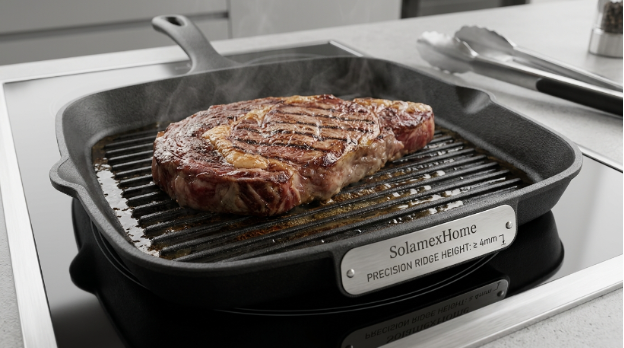
Oven safe skillets excel in recipes requiring both stovetop browning and oven roasting. For example, searing a steak on the stovetop and finishing it in the oven ensures a caramelized exterior and juicy interior. This method is also ideal for dishes like skillet cornbread or roasted chicken with vegetables.

Even Heat Distribution
Thick walls and conductive materials like cast iron and stainless steel ensure consistent cooking results. This is critical for slow-roasting meats or caramelizing vegetables, where hot spots can ruin a dish. Cast iron’s heat retention allows it to stay hotter longer than other materials.
Versatility for Modern Cooking
Compatible with induction, gas, and electric stovetops, oven safe skillets are true workhorses. They can handle baking, broiling, and even outdoor cooking, making them perfect for camping or grilling. Many models also feature helper handles for easy maneuvering.
Health & Safety
Non-reactive surfaces prevent metallic flavors in acidic dishes like tomato-based sauces. Ceramic and enameled coatings are PFOA-free, prioritizing health and sustainability. Stainless steel pans also resist corrosion and won’t leach harmful chemicals.
4. Comparative Analysis: Oven Safe vs. Traditional Skillets
The table below highlights the key differences between oven safe and traditional skillets:
| Feature | Oven Safe Skillets | Traditional Skillets |
|---|---|---|
| Cooking Flexibility | Seamless stovetop-to-oven transitions (e.g., searing steak, finishing in the oven). | Limited to stovetop use; requires transferring food, risking damage to delicate dishes. |
| Material Performance | High-temperature resistance (cast iron up to 500°F, stainless steel up to 600°F). | Non-stick coatings degrade at high heat, releasing toxic fumes like “Teflon flu”. |
| Maintenance | Durable; enameled and ceramic coatings are dishwasher-safe. | Non-stick surfaces scratch easily; uncoated cast iron requires constant seasoning. |
| Cost-Effectiveness | Higher upfront cost, but lasts 10+ years. | Frequent replacements needed (1–3 years for non-stick pans). |
5. Choosing the Right Oven Safe Skillet
Key Considerations
When selecting an oven safe skillet, keep these factors in mind:
- Material: Match the skillet to your cooking style. Cast iron is ideal for searing, while ceramic non-stick suits health-conscious cooks.
- Size: 8–12 inches for most home kitchens; larger sizes for family meals.
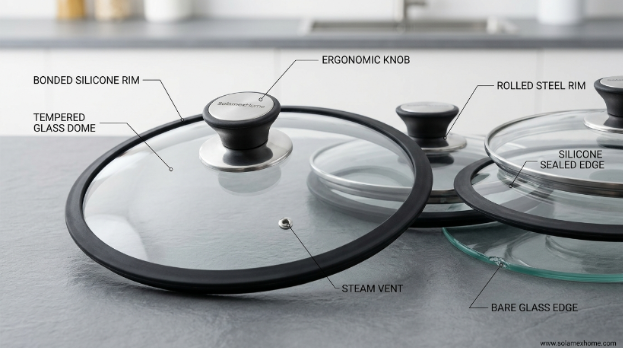
- Compatibility: Ensure handles and lids are oven-safe. For example, glass lids typically withstand up to 350°F.
Top Recommendations
Budget-Friendly
Lodge Pre-Seasoned Cast Iron Skillet – Oven-safe to 500°F, affordable, and made in the USA.
Premium Pick
Le Creuset Enameled Cast Iron Skillet – Oven-safe to 500°F, with a non-reactive surface and vibrant design.
Non-Stick Option
Cuisinart Chef’s Classic Nonstick Skillet – Oven-safe to 500°F, with a durable non-stick coating.
Wholesale Option
6. How to Use Your Oven Safe Skillet Like a Pro
Preheating Techniques
Proper preheating ensures optimal performance:
- Stovetop: Preheat on medium-high heat until water droplets skitter across the surface.
- Oven: Gradually increase temperature to avoid thermal shock, especially with cast iron.
Common Cooking Methods
Oven safe skillets excel in a variety of cooking techniques:
- Searing & Roasting: Start on the stovetop, finish in the oven for perfectly caramelized meats.
- Baking: Use for skillet cornbread, cookies, or pizza.
- Braising: Lock in moisture for tender stews and roasts.
Pro Tip: Use wooden or silicone utensils to protect non-stick coatings. Metal tools can scratch ceramic or enamel surfaces.
7. Maintenance & Longevity
Cleaning Best Practices
Extend the life of your skillet with proper cleaning:
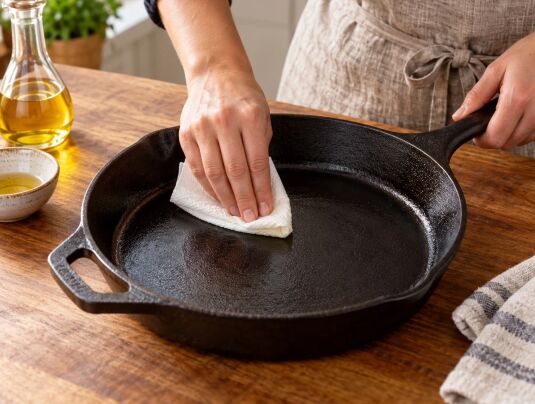
- Hand-wash with mild soap (cast iron requires seasoning).
- Soak stubborn residue in a baking soda/vinegar solution.
- Dishwasher-safe options: Opt for stainless steel or enameled cast iron.
Storage Tips
Store your skillet properly to prevent damage:
- Dry thoroughly to prevent rust (cast iron).
- Store with paper towels to avoid scratches.
8. Common Pitfalls to Avoid
- Overheating Non-Stick Pans: High heat degrades coatings; follow manufacturer guidelines (typically 350–500°F).
- Using Incompatible Utensils: Metal tools scratch non-stick surfaces; stick to silicone or wood.
- Neglecting Handle Safety: Use oven mitts to avoid burns. Handles can remain hot for extended periods.
9. 2025 Trends in Oven Safe Skillets
Sustainability
Recycled materials and eco-friendly coatings dominate. For example, Caraway and Solamex’s ceramic non-stick pans are made without PFAS. Brands like Lodge also emphasize American-made, sustainable production.
Smart Technology
Bluetooth-enabled skillets with temperature sensors allow precise cooking. Brands like Made In offer skillets with app-controlled features.
Multi-Functional Design
Stackable, nesting sets save space. Nordic Ware’s Verde Ceramic Set includes three pans with pour spouts and helper handles.
10. Conclusion: Elevate Your Cooking with Oven Safe Skillets
Oven safe skillets blend convenience, durability, and culinary creativity. From searing steaks to baking cornbread, these tools simplify meal preparation while delivering restaurant-quality results. Investing in a high-quality skillet unlocks endless cooking possibilities, aligning with 2025’s trends of sustainability and smart kitchen innovation.
Whether you’re a seasoned chef or a home cook, an oven safe skillet is a versatile addition to any kitchen. Choose the right material, follow maintenance tips, and explore new recipes to fully harness its potential.
11. FAQ: Your Burning Questions Answered
A: Yes, but check the manufacturer’s temperature rating (typically 350–500°F).
A: Coat with oil, bake at 500°F, and repeat for a natural non-stick finish.
A: Yes, but hand-washing is recommended to preserve the enamel. Avoid using abrasive cleaners.
Oven Safe Skillet Secrets: Material Mastery & Flawless Cooking Tactics
Ceramic Stock Pots Decoded: 2025's Healthiest & Most Versatile Cookware Choice