Stock Pot Sizes: How to Choose the Perfect Kitchen Essential
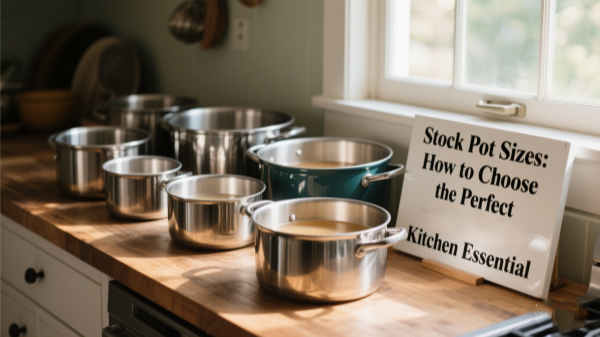
Unlock the secrets to selecting the ideal stock pot size for your culinary adventures, from everyday meals to grand feasts.
Introduction: Unlocking the Size Code of Stock Pots
In the heart of every kitchen, the stock pot reigns supreme for soups, stews, and large-scale cooking. Its size isn’t just a number—it’s a strategic choice that impacts efficiency, versatility, and even the outcome of your dishes.
From the cozy 4-quart pot for solo meals to the industrial 40-quart behemoth for commercial kitchens, each size serves a unique purpose. This guide, backed by professional insights and real-world scenarios, will help you navigate the world of stock pot sizes with confidence.
Key Takeaway
The right stock pot size transforms cooking from a chore into a pleasure, ensuring perfect results every time.
Common Stock Pot Sizes: From Mini to Mammoth
3-6 Quarts: The Compact Powerhouse for Solo or Duo Cooking
Perfect for small households, these pots are ideal for daily cooking tasks like boiling noodles, preparing single-serving soups, or making basic sauces. Their lightweight design and easy storage make them a favorite for minimalist kitchens.
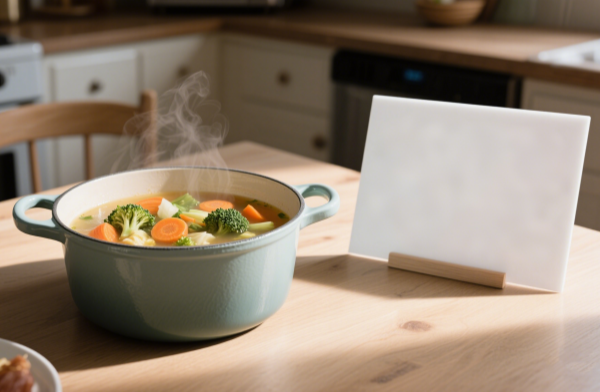
Why Choose a Small Stock Pot?
- Perfect for 1-2 person households
- Lightweight and easy to handle
- Quick heating for efficient cooking
- Ideal for apartment kitchens with limited storage
8-10 Quarts: The Gold Standard for Family Kitchens
Designed for households of 4-6, this size is incredibly versatile. It can handle a whole chicken for broth, a festive stew, or even two boxes of pasta at once. Chefs often recommend the 8-quart as the “most universal” size due to its balance of capacity and usability.
| 8-Quart Pot Capabilities | Perfect For |
|---|---|
| 2 boxes of pasta | Family dinner |
| Whole chicken for broth | Homemade soups |
| 4-6 servings of stew | Weeknight meals |
12 Quarts and Beyond: The Titans of Large-Scale Cooking
For gatherings of 10+ people or ambitious projects like whole turkey broth, seafood boils, or home canning, 12-quart pots are indispensable. Some deep 12-quart models even support sous vide cooking, adding another layer of culinary flexibility.
Pro Tip
When cooking with a large stock pot, always leave at least 20% headspace to prevent overflow during boiling.
Precision Selection Guide: Four Dimensions to Your Perfect Size
Household Size
Calculate 1-1.5 quarts per person for soups. For freezing leftovers, opt for a larger pot to batch cook.
Cooking Scenarios
Consider ingredient size (whole chickens, turkeys) and boiling expansion when choosing capacity.
Kitchen Space
Prioritize stackable designs for small kitchens. Industrial-sized pots require dedicated storage.
Material & Design
Stainless steel for durability, enameled cast iron for heat retention, heavy-bottomed for even heating.
Material Matters: How to Choose
| Material | Pros | Cons | Best For |
|---|---|---|---|
| Stainless Steel | Durable, easy to clean, non-reactive | Can warp if overheated | General cooking, long simmering |
| Cast Iron | Excellent heat retention, even heating | Heavy | Slow cooking, acidic ingredients |
| Cast Aluminum | Lightweight, fast heating | Reacts with acidic foods, scratches easily | Budget-friendly options |
Professional Chef’s Secrets: Advanced Insights from Capacity to Details
Size and Heat Dynamics
Understanding how pot size affects heat distribution can transform your cooking results. Larger pots take longer to heat up but retain heat better, making them ideal for slow, steady simmering. Smaller pots heat up quickly, perfect for rapid boiling or reducing sauces.
Heat Management Tips
- Use a larger pot for dishes requiring long cooking times, like beef stew
- Opt for a smaller pot when precision timing is critical, such as blanching vegetables
The Hidden Power of Shape
Beyond capacity, the shape of your stock pot influences cooking efficiency. Tall, narrow pots minimize evaporation and are easier to stir, while wide, shallow pots expose more surface area for faster reduction.

Narrow & Tall
Ideal for soups and stocks where evaporation control is key.

Wide & Shallow
Perfect for braising and dishes requiring quick reduction.
Strategic Pot Pairing
Most home cooks don’t need a full collection of stock pots. A smart combination can cover nearly all cooking needs.
| Combo | Coverage | Ideal For |
|---|---|---|
| 6qt + 12qt | Daily cooking + large gatherings | Most households |
| 8qt + 16qt | 90% of home cooking needs | Families who entertain often |
| 12qt stainless + 6qt enameled | Versatility + specialty cooking | Culinary enthusiasts |
FAQ: Clearing Up Size Selection Confusions
What's the conversion between quarts and liters?
1 quart ≈ 0.946 liters. Here’s a quick reference:
- 3 quarts ≈ 2.84 liters
- 6 quarts ≈ 5.68 liters
- 8 quarts ≈ 7.57 liters
- 12 quarts ≈ 11.35 liters
- 20 quarts ≈ 18.92 liters
Do I really need multiple stock pot sizes?
While a single stock pot can suffice for basic needs, having at least two sizes (e.g., 6 and 12 quarts) significantly expands your culinary capabilities. A smaller pot handles everyday tasks efficiently, while a larger one tackles special occasions and batch cooking.
How do I clean and maintain different stock pot materials?
Stainless Steel
- Use mild dish soap and a soft sponge
- Soak in white vinegar to remove mineral deposits
- Avoid abrasive scrubbers to prevent scratching
Enameled Cast Iron
- Never use metal utensils
- Avoid overheating or dry-firing
- Clean with warm soapy water and a soft cloth
Aluminum
- Use gentle cleaners to avoid discoloration
- Never cook acidic foods for extended periods
- Polish with baking soda for stubborn stains
What safety precautions should I take with large stock pots?
When working with large, heavy pots:
- Always use two hands to lift when full
- Ensure the stovetop burner matches the pot base size
- Keep handles turned inward to avoid accidental knocks
- Use heat-resistant pads when transferring hot pots
Buying Decision Guide: From Budget to Brand
Budget Breakdown
Economy
Great for occasional use or large-capacity needs without breaking the bank.
Mid-Range
Balances quality, durability, and performance for regular home use.
Premium
Professional-grade materials and construction for serious cooks.
Top Brands & Their Strengths
| Brand | Specialty | Notable Models | Price Range |
|---|---|---|---|
| Solamex | Tri-ply stainless steel | 3-Ply Stainless Steel Stock Pot | $ |
| Lodge | Enameled cast iron | ||
| Cuisinart | Multi-clad stainless | MultiClad Pro 8-Quart | $$ |
| Le Creuset | Premium enameled cast iron | Signature 6.75-Quart French Oven | $$$ |
| Mauviel | Copper-core stainless | M'Heritage 12-Quart Stock Pot | $$$$ |
Where to Buy
In-Store
- Touch and feel different sizes
- Check weight and balance in person
- Immediate availability
- Recommended stores: Williams Sonoma, Sur La Table, Bed Bath & Beyond
Online
- Compare prices across multiple retailers
- Read customer reviews
- Purchase cookware in bulk from Solamex
- Recommended platforms: Amazon, Wayfair, Home Depot
Conclusion: The Kitchen Philosophy Beyond Size
Choosing a stock pot is more than a practical decision—it’s a reflection of your culinary lifestyle. Whether you’re a solo cook savoring a 3-quart soup or a host preparing a 12-quart feast, the right size transforms cooking from a chore into an art.
Remember, there’s no one-size-fits-all solution—only the one that aligns with your needs, space, and passion. Here’s to many flavorful adventures in your kitchen!
Stock Pot Size Calculator
Marble Pans & Cooking Pots: The Science-Backed Guide to Durable, Healthy, and Elegant Kitchen Mastery
Stock Pot Sizes Demystified: Match Capacity to Your Cooking Mission