The Guide to 6 Quart Pots: Size, Uses, and Choosing the Perfect Fit

The Ultimate Guide to 6 Quart Pots: Size, Uses, and Choosing the Perfect Fit
Table of Contents
Introduction: Why a 6 Quart Pot is a Kitchen Essential
A 6 quart pot is a versatile workhorse that bridges the gap between everyday cooking and occasional large meals. With a capacity of 5.68 liters (24 cups) , it’s ideal for households of 4–6 people, making it a popular choice for everything from weeknight soups to batch cooking. But its value extends beyond volume—it’s also a space-saving solution that balances countertop real estate with functionality. This guide explores how its dimensions, materials, and practical applications make it a cornerstone of modern kitchens.
Defining the Basics: Capacity and Dimensions
Understanding the physical size of a 6 quart stock pot is key to maximizing its utility. Most stovetop models have an 8–10 inch diameter and 4–6 inch height, This translates to:
- 24 cups (192 fluid ounces) of liquid capacity, enough for 4–6 servings of hearty stews or 12 portions of chili.
- Weight ranging from 4–8 pounds, depending on material (stainless steel is lighter, cast iron heavier).
For context, a 6 quart Pot can cook 6–8 servings of risotto or pressure-cook a 3-pound roast with ease. Its compact design also ensures it fits comfortably on standard stovetops or countertops, unlike bulkier 8 quart models.

Practical Applications: Cooking Scenarios for Every Occasion
The 6 quart pot’s versatility shines in both daily meals and special projects:
- Everyday Use: Boil pasta for a family of 4, sauté vegetables, or simmer a quick sauce.
- Batch Cooking: Prepare chili, broth, or casseroles for leftovers or freezing—its 24-cup capacity prevents overflow.
- Specialty Tasks: Brew small batches of beer, can jams, or slow-cook a whole chicken (though larger roasts may require an 8 quart).
- Multi-Cooker Functionality: Some models handle yogurt-making, rice cooking, and even sous vide.
| Recipe | Ingredients | Servings |
|---|---|---|
| Hearty Beef Chili | 2 lbs ground beef, 3 cans beans, diced tomatoes | 12 |
| Chicken Noodle Soup | Rotisserie chicken, noodles, vegetables | 6 |
| Vegetarian Stew | Assorted veggies, lentils, quinoa | 8 |
Comparing 6 Quart to Other Sizes
While the 6 quart is a crowd-pleaser, understanding its trade-offs with smaller and larger pots helps clarify its role:
| Size | Capacity | Pros | Cons |
|---|---|---|---|
| 4 Quart | 4–6 servings | Lighter, ideal for small households | Limited for large batches |
| 6 Quart | 4–8 servings | Balanced capacity, space-efficient | Not suitable for canning large batches |
| 8 Quart | 6–8 servings | Great for large families | Bulkier, heavier |
Key Insight: The 6 quart strikes a balance—suitable for 80% of home cooking needs while accommodating occasional gatherings. It’s also more energy-efficient than larger pots, as it requires less liquid to reach pressure.
Material Matters: How Design Shapes Performance
The material of your 6 quart pot directly impacts its durability, heat retention, and versatility:
| Material | Pros | Cons | Best For |
|---|---|---|---|
| Stainless Steel | Durable, non-reactive, induction-compatible | May scratch | All-around cooking |
| Cast Iron | Excellent heat retention, oven-safe | Heavy, prone to rust | Braising, searing |
| Cast Aluminum | Lightweight, nonstick | Not oven-safe above 500°F | Quick meals |
| Copper | Premium heat conductivity | Expensive, requires polishing | Fine dining |
Pro Tip: Stainless steel is the most versatile choice for all-around cooking, while cast iron excels in high-heat tasks like braising.
Buying Guide: Key Features to Prioritize
When selecting a 6 quart pot, focus on practicality and longevity:
- Stovetop Compatibility: Ensure it works with your cooktop (e.g., induction-ready models have magnetic bases).
- Handles: Look for ergonomic, heat-resistant designs—silicone-coated or hollow handles stay cool during cooking.
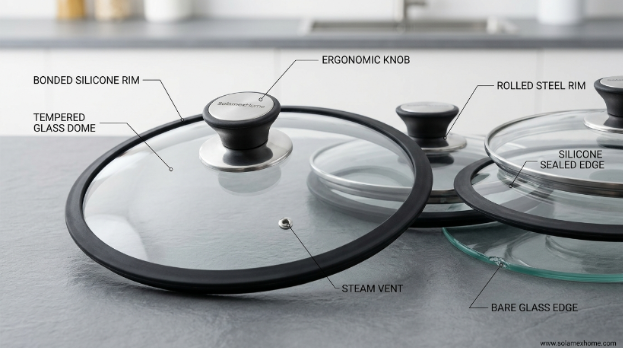
- Lid Type: Glass lids allow monitoring food, while tight-sealing lids are essential for pressure cookers.
- Oven Safety: Check maximum temperature ratings (e.g., stainless steel often handles 500–800°F).
Maintenance Tips for Longevity
Extend your pot’s lifespan with proper care:
Stainless Steel
Clean with mild soap; avoid harsh scrubbers to prevent scratches. For stubborn stains, boil a solution of water and baking soda for 10 minutes.

Cast Iron
Season regularly with oil, skip soap, and dry immediately to prevent rust. Never leave it soaking in water.
Nonstick Coatings
Use wooden utensils and avoid high heat to preserve the finish. Never use metal scrapers.
Conclusion: Is a 6 Quart Pot Right for You?
A 6 quart pot is a smart investment for most kitchens. Its capacity suits daily cooking, batch meals, and even specialty tasks like canning. By balancing size, material, and functionality, it offers unmatched versatility without sacrificing space or performance. Whether you’re a home cook experimenting with new recipes or a busy parent prepping family meals, this size ensures you’re ready for any culinary challenge.
Final Thought: Prioritize quality—investing in a durable pot like the Solamex, a wholesale stock pot company, will save you time and frustration in the long run. What’s your favorite dish to cook in a 6 quart pot? Share your recipes in the comments!
Mastering the 6‑Quart Pot: Your Ultimate Kitchen Workhorse
The Ultimate Guide to the Best Deep Frying Pan (2025)