The Ultimate Guide to Griddle Cooking: Mastering Techniques, Maintenance, and Material Selection
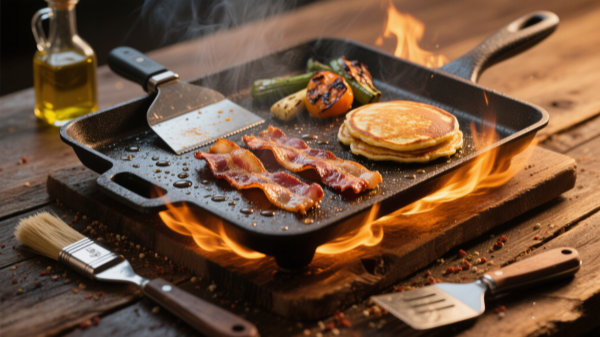
Table of Contents
1. Introduction to Griddles
A griddle is a versatile cooking appliance characterized by its flat, broad surface, designed to deliver uniform heat distribution for a wide range of culinary tasks. Whether you’re flipping pancakes on a lazy Sunday morning, searing juicy hamburgers for a backyard BBQ, or stir-frying fresh veggies for a weeknight dinner, a griddle’s design makes it uniquely suited for efficiency and consistency.
How Griddles Differ from Other Cookware
Unlike traditional cookware, griddles occupy a sweet spot between skillets and grills:
- Skillets have sloped sides and smaller cooking areas, ideal for sautéing or frying but limited in capacity for multi-dish cooking.
- Grills feature raised grates that create char marks but can cause small foods to fall through and lack precision for delicate items like eggs.
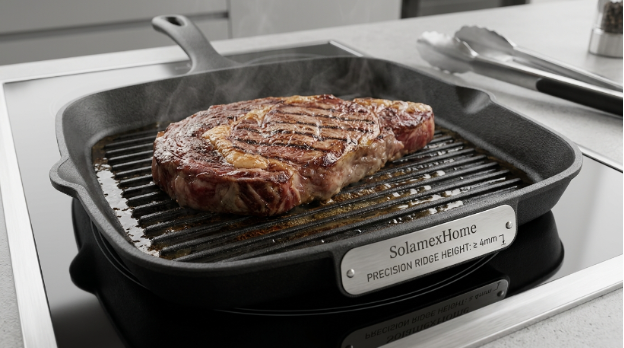
- Griddles offer a flat, continuous surface that excels at both gentle cooking (e.g., soft scrambled eggs) and high-heat searing (e.g., steak), while allowing simultaneous preparation of multiple dishes—think bacon, toast, and hash browns all at once.
Available in gas, electric, and even portable designs, griddles cater to every cooking environment, from compact kitchen countertops to expansive outdoor kitchens.
2. Key Considerations When Choosing a Griddle
Selecting the right griddle requires balancing your cooking style, space, and budget. Here’s what to consider:
Material Matters: Which Surface is Right for You?
The material of your griddle affects heat retention, maintenance, and cooking performance. Let’s break down the most common options:
| Material | Heat Retention | Maintenance | Pros | Cons | Ideal For |
|---|---|---|---|---|---|
| Cast Iron | Excellent | Requires seasoning | Durable, develops non-stick surface, even heat | Heavy, prone to rust if neglected | Searing, slow cooking, outdoor use |
| Enameled Cast Iron | Good | Low maintenance | Rust-resistant, no seasoning needed, vibrant colors | Less heat retention than raw cast iron | Acidic foods, decorative kitchens |
| Stainless Steel | Moderate | Easy to clean | Modern look, non-reactive, durable | Requires oil for non-stick | Daily use, versatile cooking |
| Carbon Steel | Excellent | Seasoning required | Lightweight, responsive heat, affordable | May rust, needs proper care | Stir-fries, crepes, high-heat dishes |
| Moderate | Minimal | Non-toxic, easy cleanup, low oil use | Not as durable, avoid metal tools | Healthy cooking, delicate foods |
Size & Shape: Fit Your Space and Needs
Griddles come in various sizes and shapes to suit different scenarios:
- Small (8–10 inches): Perfect for single servings or camping trips. Great for pancakes, grilled cheese, or small breakfasts.
- Medium (11–14 inches): Ideal for families, allowing 4–6 portions at once. Think weekend breakfasts with eggs, bacon, and toast.
- Large (15+ inches): Designed for entertaining or commercial use, with enough space to cook an entire meal—burgers, veggies, and buns all at once.
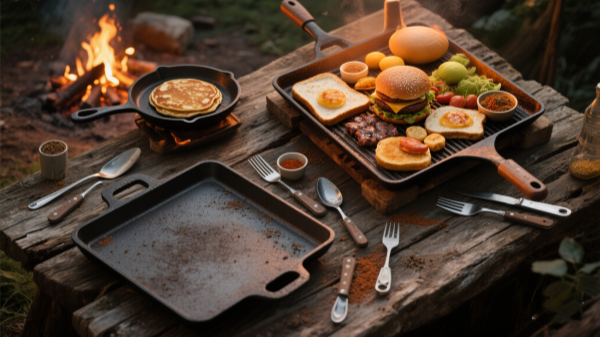
- Shapes: Rectangular models offer the most versatility, while round griddles are great for uniform heat distribution (perfect for pancakes), and square designs fit compact countertops.
Energy Source: Gas, Electric, or Hybrid?
Your choice of energy source depends on convenience and cooking style:
- Gas Griddles (propane/natural gas):
- Pros: Rapid heating, high-temperature searing (up to 500°F), ideal for outdoor griddles like the Blackstone 36-inch.
- Cons: Require fuel tanks or gas lines; less precise temperature control than electric.
- Electric Griddles:
- Pros: Precise temperature control (via built-in thermostats), portable, safe for indoor use. Models like the Presto 07061 are affordable and easy to store.
- Cons: Slower heating, limited max temperature (usually 450°F).
3. Essential Cooking Techniques & Recipes
Mastering your griddle starts with proper preheating, seasoning, and temperature control. Here’s how to get the most out of your appliance:
Preheating & Seasoning: The Foundation of Good Cooking
Preheating: Always preheat your griddle for 5–10 minutes on medium-high (375–425°F) to ensure even heat. This step prevents food from sticking and ensures consistent cooking. Seasoning New Griddles (especially cast iron or carbon steel): 1. Wash with warm soapy water and dry thoroughly. 2. Apply a thin layer of high-smoke-point oil (e.g., flaxseed, canola). 3. Heat on high for 30 minutes until smoking, then let cool. Repeat 2–3 times for best results.
Step-by-Step Cooking Guides for Popular Dishes
Hamburgers: Juicy and Perfect Every Time
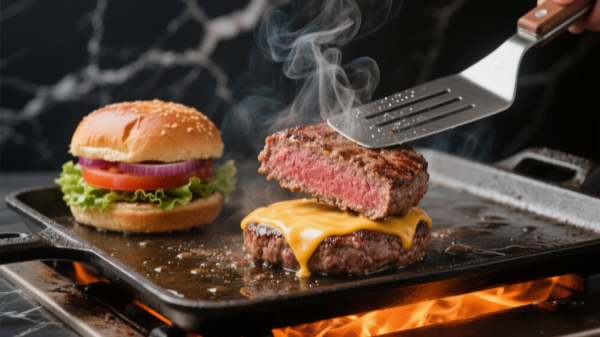
Fresh Burgers: - Preheat to 425°F. - Form patties (1/4–1/3 lb each), season with salt/pepper. - Cook 3–4 minutes per side for medium-rare (internal temp 135°F). Frozen Burgers: - Thaw slightly, cook on medium heat (350°F) for 12–15 minutes per side, flipping once.
Bacon: Crispy Without the Mess
- Preheat to 375°F, place bacon strips evenly. - Cook 8–10 minutes, flipping occasionally, until desired crispiness. - Tilt the griddle to drain grease into a tray for easier cleanup.
Salmon: Flaky and Full of Flavor
- Brush salmon fillets with oil, season with garlic and dill. - Cook skin-side down at 375°F for 6–8 minutes, flip and cook 4–5 minutes more. - Pro tip: Use a fish spatula for easy flipping.
Griddle Temperature Chart
| Food | Temperature (°F) | Cooking Time | Notes |
|---|---|---|---|
| Pancakes | 350–375 | 2–3 minutes per side | Flip when bubbles form on the surface |
| Pork Chops | 375–425 | 5–7 minutes per side | Internal temp 145°F for medium |
| Steak | 450–500 | 4–6 minutes per side (1-inch thick) | Rest 5 minutes before slicing |
| Shrimp | 400–425 | 2–3 minutes per side | Remove when opaque and curled |
| Fried Rice | 450–475 | 5–7 minutes | Keep stirring to prevent sticking |
4. Cleaning & Maintenance
Proper maintenance extends your griddle’s life and ensures consistent performance. Here’s how to keep it in top shape:
Daily Cleaning Routine
- Scrape While Warm: Use a metal spatula or griddle scraper to remove food debris immediately after cooking (while the surface is still warm but not hot to touch).
- Wipe Down: For non-stick/ceramic griddles, use a damp cloth with mild soap. For cast iron/carbon steel, wipe with a paper towel—no soap needed (soap can strip seasoning).
- Dry Thoroughly: Moisture is the enemy of metal griddles. Use a clean towel to remove all water, especially for cast iron to prevent rust.
Deep Cleaning for Different Materials
Cast Iron & Carbon Steel
1. If stubborn residue exists, scrub with a stiff brush and coarse salt (no soap). 2. Rinse with warm water and dry completely. 3. Re-season with a thin oil layer and heat on low for 10 minutes.
Stainless Steel & Enameled Cast Iron
- Use a non-abrasive sponge with dish soap. - For tough stains, make a paste of baking soda and water, scrub gently, then rinse.
Ceramic-Coated Griddles
- Never use steel wool or metal scrapers—they damage the coating. - Soak a cloth in warm, soapy water, lay it on stains for 5 minutes, then wipe clean.
Rust Prevention Tips
- Always dry your griddle completely after cleaning.
- Store in a dry place; consider a griddle cover for outdoor models.
- Re-season cast iron/carbon steel every 1–2 months, or if you notice rust spots forming.
5. Troubleshooting Common Issues of Griddles
Even the best griddles can face challenges. Here’s how to solve them:
Issue: Uneven Heating
Possible Causes: Burner misalignment (gas), faulty heating element (electric), or uneven seasoning. Solution: Check burner connections, calibrate electric thermostats, or re-season the griddle to even out hot spots.
Issue: Food Sticks to the Surface
Why It Happens: Insufficient seasoning, not preheating enough, or using too little oil. Fix: Re-season the griddle, preheat fully before cooking, and use a light oil coating for non-stick surfaces.
Issue: Rust Spots
Cause: Moisture left on the surface, especially with cast iron/carbon steel. Solution: Scrub rust with steel wool, rinse, dry thoroughly, and re-season immediately.
Issue: Grease Flare-Ups
Why: Excess grease pooling and overheating. Prevent: Wipe away excess oil before cooking, use a grease trap, and avoid overcrowding the griddle.
6. Brand-Specific Tips of Griddles
Each brand has unique features—here’s how to maximize performance:
Blackstone
- Seasoning: Use Blackstone’s proprietary griddle oil for best results. - Storage: Always cover with a weather-resistant cover to protect from outdoor elements. - Cleaning: Use their griddle cleaner for tough stains; avoid harsh chemicals.
Wolf
- Temperature Control: Preheat to 400°F for 15 minutes before cooking for professional-level results. - Maintenance: Deep clean monthly with a mixture of vinegar and baking soda; re-season with a light olive oil coat.
Pit Boss
- Ceramic-Coated Models: Use only silicone or wooden utensils to protect the coating. - Outdoor Use: Check propane connections regularly and store in a dry shed during winters.
7. Safety Guidelines
Follow these tips to cook safely with your griddle:
Gas Griddle Safety
- Always check for gas leaks before use (apply soapy water to connections—bubbles mean a leak).
- Use in well-ventilated areas; never indoors unless specifically designed for indoor gas use.
- Turn off the gas supply and griddle burners after use.
General Safety Tips
- Use heat-resistant gloves or mitts when adjusting burners or moving the griddle.
- Keep children and pets at least 3 feet away from hot griddles.
- Have a fire extinguisher nearby—never use water on grease fires (use a metal lid or baking soda instead).
8. Final Tips for Optimal Performance
Take your griddle game to the next level with these pro tricks:
- Zone Heating: Use different temperature zones for different foods (e.g., low heat for eggs on one side, high heat for searing burgers on the other).
- Tool Selection: Invest in a good griddle scraper, spatula, and basting cover to retain heat and moisture.
- Experiment Fearlessly: Griddles are perfect for unexpected dishes—try making grilled cheese, veggie hash, or even desserts like cinnamon sugar tortillas.
- Regular Maintenance: A well-seasoned griddle only gets better with time—make seasoning and cleaning part of your post-cook routine.
9. Conclusion
A griddle is more than a kitchen appliance—it’s a gateway to effortless, flavorful cooking for any occasion. By choosing the right material for your needs, mastering essential techniques, and prioritizing regular maintenance, you’ll unlock a world of culinary possibilities. Whether you’re a breakfast enthusiast, a BBQ lover, or a weeknight meal prepper, your griddle will become the most versatile tool in your kitchen.
Looking to explore more kitchen essentials? Besides griddles, Solamex offers a wide range of high-quality cookware—from wholesale cast aluminum cookware designs to ceramic-coated masterpieces—backed by decades of factory expertise. Our commitment to deep material innovation and cost-effective production ensures every piece balances affordability with durability, making us your trusted partner for all culinary needs.
Remember, the key to griddle success lies in understanding its strengths: uniform heat, multi-tasking ability, and adaptability to any dish. So fire it up, season it well, and start creating meals that bring joy to every table. Happy griddling!
Is Cast Aluminum Cookware Safe? Performance, Sustainability, and Modern Kitchen Use Explaine
Unlocking the Full Potential of Your Sauté Pan: From Novice to Culinary Master