The Ultimate Guide to Oven-Safe Skillets & Pots: Unlocking Versatility in Modern Cooking

Transform your kitchen with oven-safe cookware! Learn about materials, temperature tricks, and sustainable choices that make cooking easier and more innovative.
1. Introduction: Redefining Kitchen Efficiency
Imagine searing a juicy steak on your stovetop, then seamlessly transferring it to the oven to finish cooking—all in the same pan. That’s the magic of oven-safe skillets and pots. These versatile tools are revolutionizing modern kitchens by eliminating dish clutter, saving time, and unlocking new culinary possibilities. Whether you’re a busy parent, a passionate home chef, or an eco-conscious cook, understanding how to choose and use oven-safe cookware can transform your daily meals into masterpieces.
In this guide, we’ll explore everything from material science to innovative recipes, ensuring you have the knowledge to make informed decisions and elevate your cooking game.
2. Skillet vs. Pot: Understanding Their Unique Roles
While both are oven-safe, skillets and pots serve distinct purposes in the kitchen. Let’s break down their key differences:
| Feature | Skillet | Pot |
|---|---|---|
| Design | Shallow with sloped sides (ideal for flipping and evaporation) | Deep with straight sides (maximizes liquid capacity) |
| Common Uses | Searing meats, frying eggs, baking flatbreads | Braising short ribs, simmering soups, cooking grains |
| Heat Distribution | Focused on the cooking surface for quick results | Even throughout for slow, steady cooking |
| Popular Sizes | 8–12 inches | 4–8 quarts |
Knowing when to use each can elevate your recipes. For example, a 10-inch cast iron skillet is perfect for a golden-brown cornbread, while a 7-quart Dutch oven excels at slow-cooking a rich beef stew.
3. Material Science: Which Works Best for Your Needs?
The performance of oven-safe cookware hinges on its material. Let’s explore traditional, trending, and innovative options:
3.1 Traditional Materials: Proven and Reliable
Cast Iron
✔️ Heat Retention: Holds heat exceptionally well, reaching up to 500°F (260°C).
✔️ Durability: Lasts generations with proper care (think family heirlooms).
⚠️ Drawback: Heavy and requires regular seasoning to maintain non-stick properties.
Best For: Rustic dishes like skillet roasts and baked desserts.
Stainless Steel
✔️ High Heat Tolerance: Withstands up to 600°F (315°C), perfect for searing and roasting.
✔️ Non-Reactive: Safe for acidic ingredients like tomatoes and citrus.
⚠️ Drawback: Can stick if not properly preheated; requires a bit of oil for non-stick results.
Best For: Gourmet recipes that require browning and deglazing.
3.2 Trending Material: Ceramic Coated Cast Aluminum
Why It’s a Fan Favorite
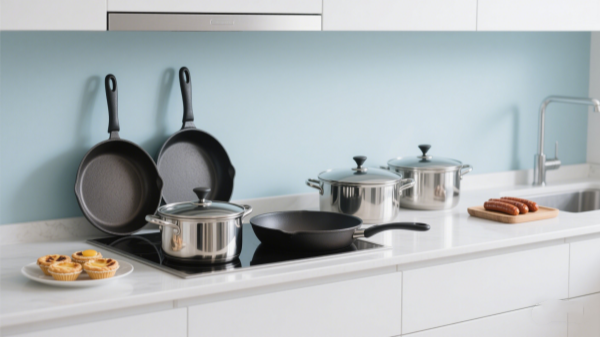
This modern marvel combines a lightweight cast aluminum core (205 W/m·K thermal conductivity) with a PFAS-free ceramic coating. Here’s why it’s gaining traction:
- ✅ Heat Flexibility: Handles 450°F (232°C) continuously and 500°F (260°C) for short bursts.
- ✅ Health-Conscious: No harmful chemicals, making it safe for high-heat cooking.
- ✅ Effortless Cleanup: Non-stick surface reduces scrubbing (most are dishwasher-safe).
- ✅ Eco-Friendly Options: Brands like GreenPan, Solamex use recycled aluminum and biodegradable coatings.
Did you know? Ceramic aluminum is 30–50% lighter than cast iron, making it easier to transfer from oven to table.
3.3 Innovative Materials: Pushing Boundaries
Diamond-Infused Ceramic (e.g., Blue Diamond) takes durability to the next level, resisting up to 850°F (454°C) and standing up to metal utensils. Sol-Gel Coatings (e.g., Caraway) offer PFAS-free non-stick performance up to 500°F, ideal for health-focused cooks.
Material Comparison Table
| Material | Max Temperature | Weight (for 10-inch skillet) | Non-Stick | Maintenance Effort | Environmental Impact |
|---|---|---|---|---|---|
| Cast Iron | 500°F | 6–8 lbs | Requires seasoning | High | Low (long-lasting) |
| Stainless Steel | 600°F | 4–5 lbs | No | Medium | High (recyclable) |
| Ceramic Aluminum | 500°F | 2–3 lbs | Yes | Low | Medium (recycled cores) |
4. Temperature Dynamics: Mastering Heat for Perfect Results
Understanding how different materials handle heat is key to avoiding burnt meals or damaged cookware. Here’s a breakdown:
Heat Zones for Oven-Safe Cookware
- Low Heat (200–300°F): Ideal for slow braising in cast iron or keeping soups warm in ceramic pots.
- Medium Heat (325–450°F): Perfect for baking casseroles in ceramic aluminum or roasting vegetables in stainless steel.
- High Heat (450–600°F): Use stainless steel for searing steaks or cast iron for crispy pizza crusts.
Real-World Cooking Scenarios
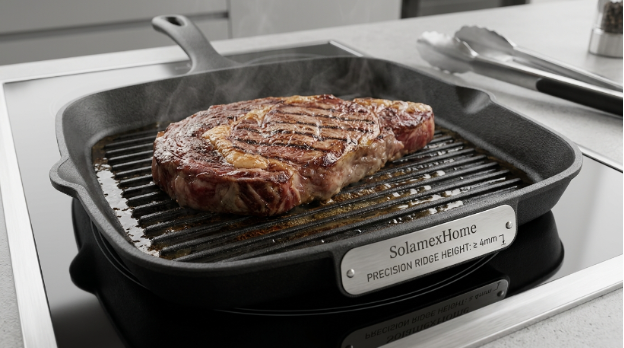
Scenario 1: Searing & Finishing in a Skillet
- Sear a steak on the stovetop at high heat.
- Transfer the skillet to a 400°F oven for 5–8 minutes to reach medium-rare.
Scenario 2: Braising in a Pot
- Brown short ribs in a Dutch oven on the stovetop.
- Add liquid, cover, and slow-cook in a 325°F oven for 3 hours until tender.
Pro Tip: Always preheat your oven before transferring cookware to ensure even cooking!
5. Smart Shopping: What to Look For
Choosing the right oven-safe cookware involves balancing performance, durability, and practicality. Here’s what to prioritize:
5.1 Critical Factors
- Handle Design: Look for low-angle handles that stay cool during oven use (e.g., stainless steel or phenolic handles).
- Thickness: A 3mm+ aluminum core ensures even heating, while heavy-gauge stainless steel resists warping.
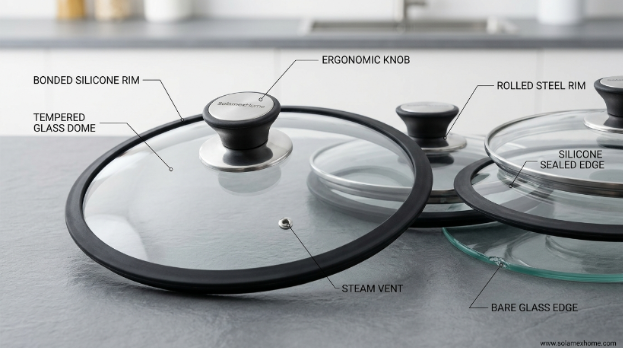
- Lid Compatibility: Ensure lids are oven-safe (tempered glass up to 350°F; metal lids up to 500°F).
- Induction Compatibility: If you use induction cooktops, opt for magnetic bases (e.g., stainless steel or cast iron).
5.2 Brand Comparison
Premium Choice: Le Creuset (Enameled Cast Iron)
✔️ Pros: Unmatched heat retention, dishwasher-safe, lifetime warranty.
⚠️ Cons: Heavy, expensive (e.g., 5.5-quart Dutch oven ~$350).
Budget-Friendly: Lodge (Cast Iron)
✔️ Pros: Affordable ($30–$100), preseasoned, versatile.
⚠️ Cons: Requires regular seasoning, not dishwasher-safe.
Health-Conscious: Solamex (Ceramic Aluminum)
✔️ Pros: PFAS-free, lightweight, dishwasher-safe (some samples), Supports quantity discounts and product customization
⚠️ Cons: Avoid metal utensils, max 500°F.
Eco-Friendly: Carote (Recycled Aluminum)
✔️ Pros: Detachable handles for space-saving, 100% recycled aluminum core.
⚠️ Cons: Not induction-compatible.
5.3 Pro Tips for Online Shopping
Always check product descriptions for oven-safe temperature limits and stovetop compatibility.
Read user reviews for real-world durability insights—look for mentions of coating longevity and handle comfort.
6. Maintenance Tips for Longevity
Proper care extends the lifespan of your oven-safe cookware. Here’s how to keep it performing like new:
6.1 Cleaning Protocols
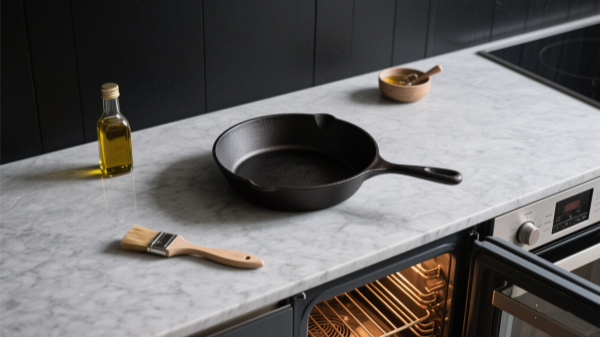
Cast Iron
❌ Avoid soap! Use hot water and a stiff brush to scrub.
✅ Re-season monthly by coating with oil and baking at 350°F for 1 hour.
Stainless Steel
✅ Use a non-abrasive sponge or nylon brush to remove stuck-on food.
⚠️ Soak in a 1:1 vinegar-water solution for 30 minutes to tackle stubborn stains.
Ceramic Aluminum
✅ Hand wash with mild detergent (dishwasher-safe in most models).
❌ Never use metal utensils or abrasive pads to avoid scratching the coating.
6.2 Storage Tips
- Store pots and pans with protective liners to prevent scratches.
- Hang skillets by their handles to save cabinet space.
- Dry thoroughly after washing to prevent rust (especially for cast iron).
6.3 Common Pitfalls to Avoid
Never overheat empty cookware—this can damage coatings or cause warping.
Avoid storing acidic foods (e.g., tomato sauce) in aluminum or cast iron long-term to prevent corrosion.
7. Innovative Recipes & Uses
Oven-safe cookware unlocks endless culinary creativity. Here are some crowd-pleasing recipes and techniques:
7.1 Skillet Specialties
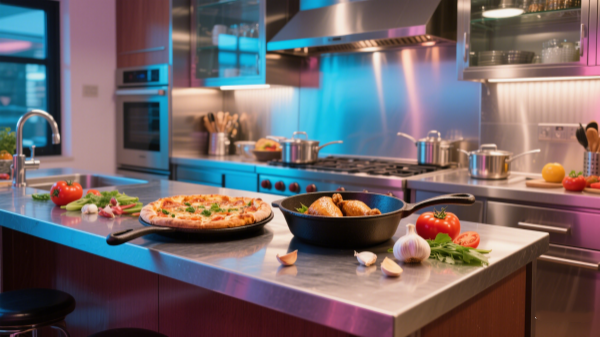
1. Cast Iron Skillet Pizza
Ingredients: Pre-made dough, tomato sauce, mozzarella, toppings of choice.
Method: Preheat skillet in a 475°F oven. Add dough, sauce, and toppings. Bake 12–15 minutes until crust is crispy.
2. One-Pan Honey Garlic Chicken Thighs
Ingredients: Chicken thighs, honey, garlic, soy sauce, broccoli.
Method: Sear chicken in a skillet, add sauce and broccoli. Transfer to a 375°F oven for 20 minutes until tender.
7.2 Pot Perfection
1. Dutch Oven Bread
Ingredients: Bread flour, yeast, water, salt.
Method: Mix dough, let rise, then bake in a preheated Dutch oven at 450°F for 30 minutes. Remove lid for the last 10 minutes to crisp the crust.
2. Braised Short Ribs with Red Wine
Ingredients: Short ribs, red wine, onions, carrots, garlic.
Method: Brown ribs in a pot, add veggies and wine. Cover and cook in a 325°F oven for 3–4 hours until tender.
7.3 Health-Conscious Options
Use ceramic aluminum skillets for low-oil cooking (e.g., scrambled eggs or stir-fries).
Slow-cook whole grains like quinoa or farro in a Dutch oven for maximum flavor and texture.
8. Sustainability & Future Trends
The cookware industry is evolving to meet eco-conscious demands. Here’s what’s shaping the future:
8.1 Eco-Friendly Materials
- Recycled Stainless Steel (e.g., T-fal Pro Tri-ply): Reduces environmental impact while maintaining durability.
- Biodegradable Coatings (e.g., GreenPan’s Thermolon): Break down naturally over time, unlike traditional non-stick coatings.
- Plant-Based Resins (e.g., Caraway): Non-toxic alternatives to petroleum-based materials.
8.2 Energy Efficiency
Oven-to-table cookware reduces energy use by eliminating the need for multiple appliances. For example:
- Use a ceramic aluminum skillet to sauté and bake a casserole in one dish.
- Induction-compatible cookware (e.g., All-Clad) heats faster, saving electricity.
8.3 Circular Economy Initiatives
Brands like Circulon offer recycling programs for old cookware, while HexClad uses 100% recycled packaging. Choosing these products supports a closed-loop system.
9. Conclusion & Your Next Steps
Oven-safe skillets and pots are more than just kitchen tools—they’re a gateway to creativity, efficiency, and sustainability. Whether you’re drawn to the timeless durability of cast iron, the modern convenience of ceramic aluminum, or the eco-friendliness of recycled stainless steel, there’s a perfect option for every cook.
By mastering material science, temperature control, and proper maintenance, you’ll unlock a world of culinary possibilities—from quick weeknight meals to impressive dinner party dishes. And remember: the best cookware is the kind that fits your lifestyle, making cooking feel less like a chore and more like a joy.
Ready to get started? Pick one versatile piece (we recommend a ceramic aluminum skillet or a classic Dutch oven) and experiment with the recipes and tips in this guide. Your future self (and your taste buds) will thank you!
Cast Aluminum Cookware: The Lightweight Champion Outperforming Cast Iron & Stainless Steel
Oven Safe Skillets and Pots: Your Expert Guide to Seamless Stovetop-to-Oven Cooking