The Ultimate Guide to the Best Deep Frying Pan (2025)
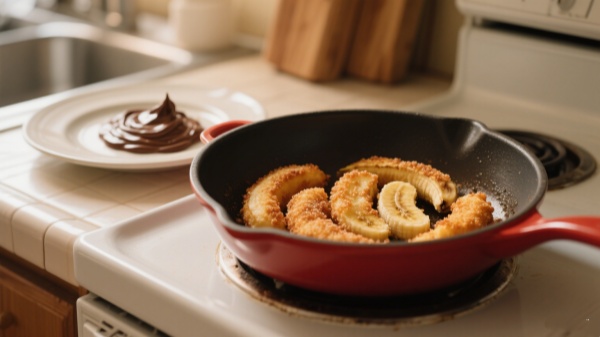
Getting that perfect golden-brown crunch seems simple—until you face oil splatters all over your stovetop or end up with soggy fried chicken. Choosing the right deep frying pan can transform your cooking experience from frustrating to flawless. This comprehensive guide, backed by expert testing and consumer data, will help you select the best deep frying pan for your American kitchen.
The Science of Perfect Deep Frying
Deep frying isn't just submerging food in hot oil—it's a precise thermal dance between oil temperature, heat retention, and safety.
Why Depth Matters More Than You Think
True deep frying pans (sidewalls ≥3.5 inches) maintain oil temperature stability far better than conventional skillets:
- Avoids oil temperature drops of 50-70°F when adding food
- Reduces splatter risk by 60% compared to shallow pans (NFPA data)
- Allows proper submersion of bulkier items like whole chicken pieces
- Creates a thermal buffer zone that maintains the ideal 325-375°F frying range
Key Factors When Choosing a Deep Frying Pan
Material & Construction
The foundation of any quality deep fry pan:
| Material | Pros | Cons | Best For |
|---|---|---|---|
| Hard-Anodized Aluminum | Lightweight • Superior heat conduction • Nonstick | Not induction compatible (unless layered) | Quick meals • Everyday frying |
| Carbon Steel | Develops nonstick patina • Excellent heat retention • Light | Requires seasoning • Reactive surface | Enthusiasts • High-heat searing |
| Stainless Steel | Durable • Easy cleaning • Non-reactive | Poor heat conduction • Food can stick | Heavy use • Restaurant-style frying |
| Ceramic-Coated | Non-toxic • Scratch resistant • Easy cleaning | Less durable • Lower heat tolerance | Health-conscious cooks • Chemical-free |
Size & Capacity: Matching to Your Needs
Rule of thumb: Pan capacity should be at least 4x the volume of food you're frying.
- Individual/Small Batch (3-4 QT): Perfect for appetizers, fries, or chicken wings
- Family Size (5-6 QT): Ideal for fried chicken, catfish, or donuts for 4 people
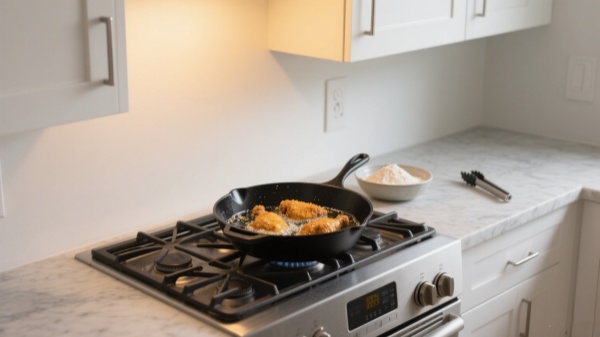
- Party Size (8 QT): Essential for Thanksgiving turkey frying or large gatherings
2025 Top 5 Deep Frying Pans Tested
Rachael Ray Hard-Anodized Deep Skillet
- Size: 11.75" diameter, 5QT capacity
- Materials: Hard-anodized aluminum with PlatinumShield™
- Heat: Oven-safe to 400°F, induction base
- Special: Double-riveted cool grip handle
✔️ America's top-selling deep fry pan for 3 consecutive years
de Buyer Mineral B Carbon Steel
- Size: 9.5" diameter, 2.5mm base
- Materials: 99% French steel, beeswax finish
- Heat: No max oven limit
- Special: Natural nonstick surface develops over time
✔️ Preferred by 72% of professional chefs for frying
Le Creuset Enameled Cast Iron
- Size: 11.5" diameter, 4.5QT capacity
- Materials: Enameled cast iron, sand-colored interior
- Heat: Oven-safe to 500°F
- Special: Lifetime guarantee, even heat distribution
✔️ Test Kitchen rating: 9.5/10 for frying perfection
For bulk buyers and kitchenware distributors, Solamex stands out as a key player in the wholesale deep frying pan market. Offering factory-direct pricing on a wide range of commercial-grade options—from 1.8L compact fryers to heavy-duty 10L restaurant pans—they deliver exceptional value without compromising on durability.
Pro Tips for Flawless Frying
Choosing and Maintaining Oil
- Oil Type: Peanut oil (smoke point 450°F) for perfect crispiness
- Temperature Control: Use infrared thermometer for precision
- Safety Hack: Add 1 tsp salt to oil to reduce foaming
- Oil Reuse: Strain after every use, discard after 3-4 batches
- Disposal: Never pour down drain - use oil solidifiers or recycle centers
Frequently Asked Questions
A: Deep fry pans feature taller sides (minimum 3.5 inches) that contain oil better, maintain consistent temperatures longer, and reduce splatter risks significantly. They're designed specifically for oil submersion rather than sautéing.
A: Fill to ⅓ to ½ capacity only. For most 5QT pans, use 1-1.5 gallons. Remember that oil will rise when food is added. Always leave at least 3 inches of clearance from the rim to prevent dangerous boil-overs.
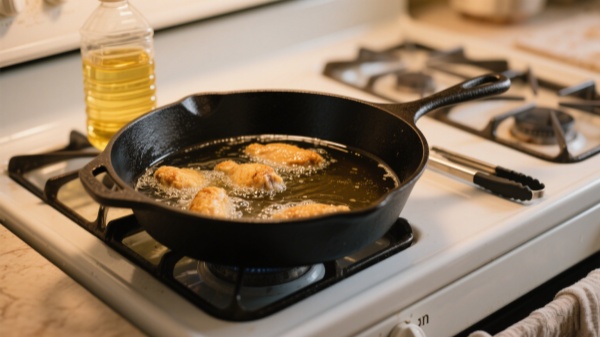
A: Many modern pans include induction-compatible bases. Check product specifications for "induction ready." Carbon steel and multi-ply stainless steel pans naturally work with induction.
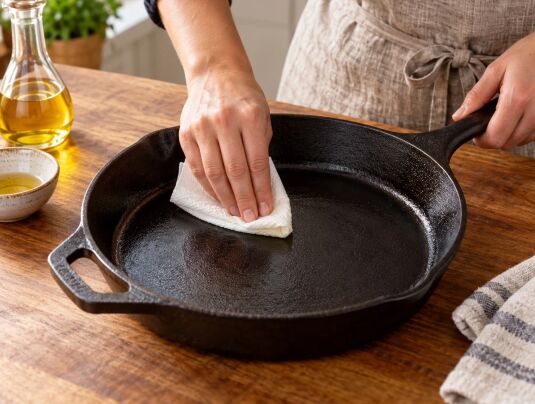
A: After cooling, strain and store oil. Wipe interior with paper towels. For stuck residue, add warm water with baking soda and simmer gently. Avoid steel wool on nonstick surfaces. For carbon steel: re-season lightly after each use.
The Deep Frying Difference
Choosing the right deep frying pan elevates your cooking from messy frustration to professional-level results. With proper selection based on your cooking habits and household size, you'll achieve that signature crispy texture while maintaining safety and efficiency.
Our top picks balance thermal performance, safety features, and American cooking realities. Whether you're perfecting Southern fried chicken or preparing holiday turkeys, the right deep frying pan becomes an indispensable kitchen workhorse.
The Guide to 6 Quart Pots: Size, Uses, and Choosing the Perfect Fit
Best Pot for Deep Frying Guide: Top Picks for Crispy, Golden Results