The Ultimate Guide to the Induction Cookware Pan: How to Choose, Use, and Care for It

Picture this: you've just upgraded your kitchen with a sleek, futuristic induction cooktop. It's fast, efficient, and incredibly precise. You place what you thought was a perfectly good pan on the smooth glass surface, turn it on, and... nothing. The pan stays cold. That little moment of kitchen panic is because you don't have an induction-compatible pan. You're not alone, and the solution is simpler than you think.
Welcome to the guide on the induction cookware pan. Whether you're a new induction user or a seasoned pro looking to upgrade, we'll walk you through everything. We'll show you how to check your current pans, guide you through the shopping process, and teach you how to care for your new kitchen partners. By the end, you'll know exactly how to choose the perfect induction cookware pan for your kitchen.
So, before we dive into shopping, let's spend a minute on the "why." Understanding the magic behind your cooktop is the key to knowing why it demands a specific type of induction cookware pan.
Why Induction Cooktops Demand a Specific Pan
How Induction Cooking Works in Simple Terms
An induction cooktop works by using an electromagnet to create a magnetic field, not by generating heat directly. Think of it as a magnetic handshake. When you place a compatible pan on the surface, the magnetic field interacts with the ferromagnetic metal in the pan, causing its molecules to vibrate rapidly. This vibration creates friction, which generates heat—turning the pan itself into the heat source. This is why the material of your induction cookware pan is everything.
What Makes a Great Induction Cookware Pan?
Not all metals can participate in this magnetic handshake. Here’s a breakdown of the materials that make the best induction cookware pan.
- Inherently Compatible Materials:
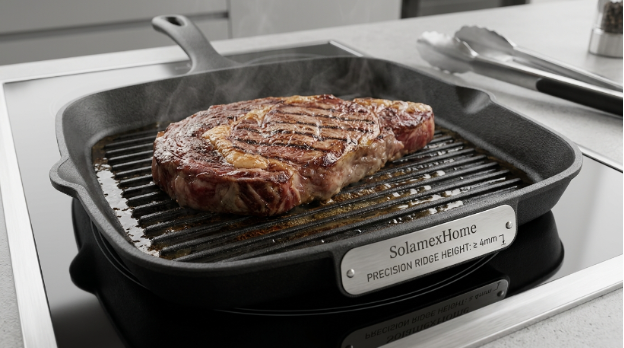
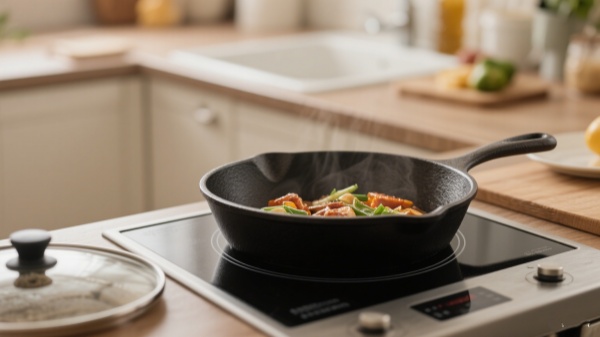
- Cast Iron: A natural choice due to its high iron content. It's a heavyweight champion of heat retention.
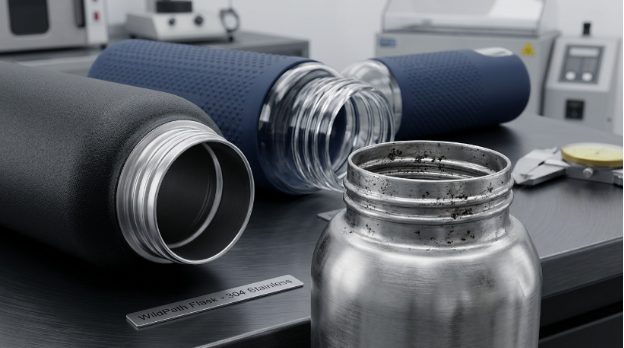
- Magnetic Stainless Steel: Most multi-ply stainless steel cookware is designed with a magnetic base layer precisely for induction compatibility.
- Modern Materials with Induction Bases:
- Aluminum Cookware: On its own, aluminum is not magnetic. However, manufacturers create induction-ready pans by bonding a stainless steel induction plate to the bottom. This gives you the best of both worlds: the lightweight and superb heat conductivity of aluminum with the induction compatibility you need. Cast Aluminum is a particularly popular choice.
- Ceramic Cookware: This typically refers to a metal pan (often aluminum) with a ceramic non-stick coating. Its ability to function on an induction hob depends entirely on having a magnetic composite base.
- Incompatible Materials: Glass, pure copper, and pure aluminum (without a steel base) will not work.
Do I Need a New Pan? A 3-Step Test
Now that you're a mini-expert in kitchen physics, you're probably eyeing your current collection. Here’s how to quickly determine if any of your current pans can function on an induction cooktop.
The Ultimate Trick: The Magnet Test
This is the easiest and most definitive test. Grab any magnet from your fridge. Place it on the flat bottom of your pan.
- It sticks firmly: Congratulations! You have an induction-compatible pan.
- It sticks weakly: The pan might work, but performance could be poor and inefficient.
- It doesn't stick at all: This pan won't work on your induction cooktop.
Look for the Symbol: The Induction Mark
Most modern cookware manufacturers take the guesswork out of it. Flip the pan over and look for the induction symbol on the bottom. It typically looks like a horizontal coil or zigzag. If you see it, you've got an official induction-ready pan.
What to Do If You're Still Unsure?
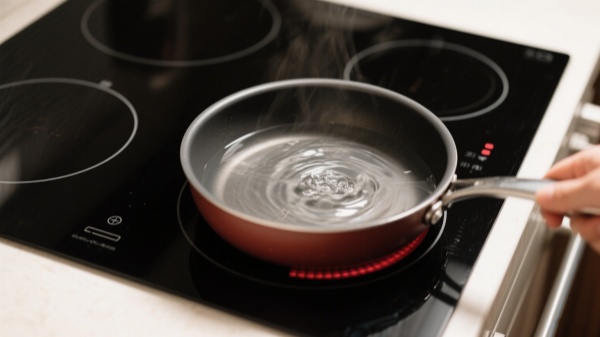
If a magnet sticks weakly and there's no symbol, try a simple practical test. Pour an inch of water into the pan, place it on the cooktop, and turn the burner on. If the cooktop recognizes the pan and the water starts to heat, it works!
Your Buying Journey: How to Choose the Perfect Pan for Induction
Okay, so whether you need a full cookware overhaul or just want a new star player, the next step is the most fun: shopping. Let's break down how to select the best induction-compatible cookware for your kitchen.
5 Key Factors to Consider Before You Buy
- Material: As we've discussed, this is the most critical feature. It dictates heat performance, durability, and maintenance.
- A Flat Bottom: For optimal performance, the bottom of the pan must be perfectly flat to ensure maximum contact with the cooktop's magnetic field.
- Size and Weight: Match the pan's base diameter to your cooktop's heating zones. Consider the weight—is it comfortable for you to use daily?
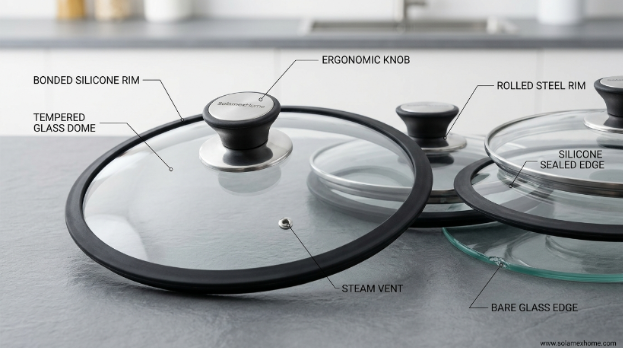
- Handle and Lid: Look for a handle that is comfortable and stays cool. A well-fitting lid is essential for trapping heat and moisture.
- Budget and Brands: You don't need to break the bank for quality induction-ready cookware. Focus on reputable brands known for solid construction.
Material Showdown: Which Option Is Right for You?
Choosing a material is about matching the pan's strengths to your cooking style. Here's how the most popular options stack up.
| Material Type | Best For | Pros | Cons |
|---|---|---|---|
| Cast Iron Pan | Searing steaks, frying, baking, slow-cooking. |
|
|
| Stainless Steel Pan | Sautéing, boiling, creating pan sauces, general daily cooking. |
|
|
| Cast Aluminum Pan | Eggs, pancakes, delicate fish, anything requiring precise, even heat. |
|
|
Use and Care: Extending the Life of Your Cookware
Bringing home the perfect pan for your induction hob is a great feeling. Now, let's make sure that feeling lasts by treating it right. Proper care not only extends its life but also ensures it performs at its best.
First-Use Instructions
Before its first use, always wash your new pan with warm, soapy water to remove any factory residues. For cast iron, you may need to perform an initial seasoning. For non-stick pans, a quick wipe with a small amount of oil can help condition the surface.
Daily Cleaning and Maintenance Tips
The golden rule is to let your pan cool down before washing. Plunging a hot pan into cold water can cause thermal shock, which can warp the base. For tough, stuck-on food on stainless steel, boiling a little water and vinegar can help. For cast iron, avoid harsh soaps and always dry it thoroughly before applying a thin layer of oil.
Troubleshooting Common Issues
Hearing a low buzzing or humming sound? This is often normal and is just the sound of your cookware interacting with the magnetic field. If your food is cooking unevenly, double-check that your pan's base is flat and properly sized for the heating zone.
Quick Questions (FAQ)
Let's tackle some of the most frequently asked questions about using cookware on induction stoves.
Can all stainless steel pans be used on an induction cooktop?
Not necessarily. Only stainless steel that is magnetic will work. Always perform a magnet test or check for the induction symbol to be sure.
My aluminum/ceramic pan says 'induction-ready'. How is that possible?
This is achieved by bonding a layer of magnetic stainless steel to the bottom. The pan's body distributes heat, while the steel base allows it to function on induction.
Is induction-capable cookware more expensive?
The price range is wide and not necessarily higher. Many affordable, high-quality options are available across various materials.
Will using a non-compatible pan damage my induction cooktop?
No, it typically won't damage the cooktop. If you place a non-compatible pan on a heating zone, the cooktop simply won't activate and may display an error symbol.
Choosing Your Cookware with Confidence
Navigating the world of induction cooking doesn't have to be complicated. By understanding the simple principle of magnetism, knowing how to test your current pots and pans, and being clear on what to look for, you are now fully equipped to choose the perfect pieces for your stove. It's more than just a tool; it's an investment in countless meals and a more enjoyable cooking experience.

Solamex — Wholesale Pots and Pans Expertise
Solamex offers a comprehensive range of wholesale pots and pans, combining durable materials, precise craftsmanship, and flexible product customization. From premium stainless steel to advanced nonstick lines, our catalog is built for both retail distribution and demanding commercial kitchens — ensuring consistency in performance and presentation.
Wok Disadvantages: What to Know Before You Buy
How to Choose an Induction Cookware Pan — Compatibility, Materials & Buyer's Guide