Unraveling the Mystery of 2 Quart: A Comprehensive Guide
Introduction
In the bustling world of culinary adventures, baking escapades, and even the simple art of home organization, the term "2 quart" seems to pop up at every turn. Whether you're flipping through the tattered pages of a beloved family recipe book or scrolling through online stores for the perfect cookware, this measurement follows you like a shadow. But what exactly does "2 quart" signify, and how does it weave into the fabric of your daily routines?
This article aims to peel back the layers of this often-misunderstood term, delving into its precise definition, exploring its diverse applications, and uncovering why it holds such relevance in so many aspects of our lives. Get ready to transform from a casual observer to a confident connoisseur of this essential kitchen measurement.
Decoding User Search Intent
When someone types "2 quart" into Google's search bar, their curiosity is rarely one-dimensional. The most prevalent query revolves around cookware dimensions. Picture this: you're mid-stew, following a recipe that calls for a 2-quart pot. Without a clear grasp of what that size entails, you might end up with a pot that's too tiny—leading to a stovetop catastrophe—or overly large, resulting in inefficient cooking and wasted energy.
Equally common is the quest for unit conversion. The quart, a staple in the US customary system, can be a puzzle for those more familiar with metric measurements. People often find themselves wondering: How many liters is 2 quarts? Or how does it translate to cups or ounces? This knowledge isn't just trivial; it's the key to unlocking international recipes or accurately measuring ingredients when your trusty measuring cup uses a different unit system.
The Quart Unit: A Historical and Practical Dive
Definition and Etymological Roots
The word "quart" carries a fascinating history in its syllables. Derived from the Latin "quartus," meaning "fourth," it originally denoted one-fourth of a gallon. The gallon itself has ancient origins, tracing back to the Roman Empire where it served as a volume unit, roughly equivalent to 4.5 liters.
In the United States, the quart has been a cornerstone of measurement since the 18th century. In the US customary system, 1 quart breaks down to 32 fluid ounces, 4 cups, or 2 pints—approximately 0.946 liters in metric terms. That's a handy conversion to tuck away in your culinary memory bank!
Everyday and Professional Applications
Daily Life in the Kitchen
The quart unit is a silent workhorse in our kitchens. Take a standard milk carton in the US, for example—it's often 1 quart. When a lazy Sunday pancake recipe calls for 2 cups of milk, you can visualize it as half a quart carton. Juices, water, and countless liquid ingredients are measured in quarts, making it a familiar friend in everyday cooking.
Planning a backyard barbecue? Chances are you'll need to measure out 2 quarts of water for that perfect pitcher of lemonade, ensuring just the right dilution for a refreshing sip on a sunny day.
Professional Culinary Realms
In the high-stakes world of restaurants and bakeries, precision is everything. A 2-quart saucepan is a mainstay in professional kitchens, used for simmering rich sauces that require meticulous attention to liquid levels. In a bakery, a 2-quart mixing bowl might be the vessel for blending ingredients for a fresh batch of muffins, ensuring consistency batch after batch.
Even beyond the culinary world, in industrial settings like chemical laboratories, the quart unit can play a role in measuring and mixing precise liquid solutions—a testament to its versatility.
2 Quart in the World of Cookware
Understanding how "2 quart" translates to physical cookware dimensions is key to mastering your kitchen. Let's explore the specifics.
Common Cookware Types and Their Dimensions
Pots and Pans
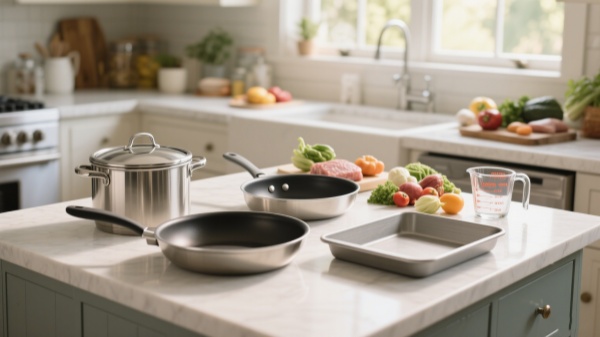
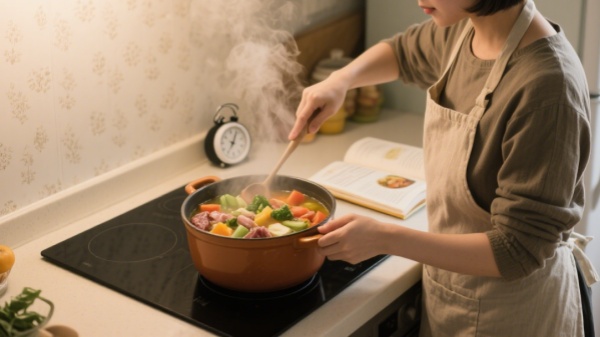
Stew Pots & Saucepans: A typical 2-quart stew pot or saucepan usually sports a diameter between 6 to 8 inches and stands 4 to 6 inches tall. These measurements can vary slightly by brand—high-end cookware might feature a more ergonomic shape with a wider base for superior heat distribution.
This size is ideal for whipping up a small batch of soup, perfect for 2-4 people, or simmering a rich tomato-basil sauce for pasta. Its manageable size allows for easy stirring and precise temperature control, keeping burns and boil-overs at bay.
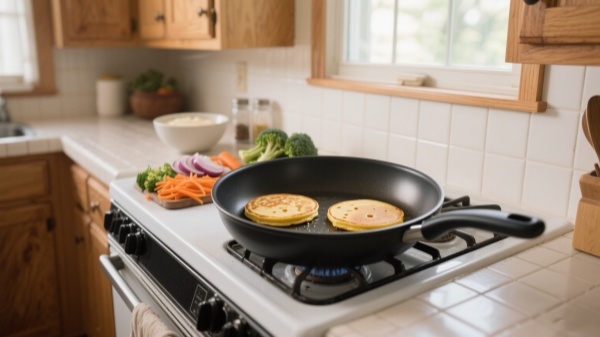
Frying Pans & Skillets: A 2-quart frying pan takes on a different shape while maintaining the volume. Expect a diameter of 9-10 inches with a shallower depth of 2-3 inches. This design is perfect for cooking a couple of pancakes at a time or sautéing veggies for a side dish. The wide surface area ensures even browning, while the 2-quart capacity prevents overcrowding.
Baking Tools
Baking Dishes: A rectangular 2-quart baking dish often measures around 8x8 inches with a depth of 2-3 inches. This size is a baking workhorse, ideal for small cakes, brownies, or a cozy lasagna. It fits perfectly on a standard oven rack, ensuring even heat distribution for that picture-perfect bake.
Roasting Pans: A 2-quart roasting pan might have an oval or rectangular shape, measuring approximately 10x6 inches with a 3-4 inch depth. It's just right for roasting a small chicken or a few pieces of meat, with enough depth to contain juices and allow proper air circulation for even cooking.
Measuring Tools
Measuring Jugs: A 2-quart measuring jug is a kitchen essential, designed with clear markings with conversions to cups, ounces, and liters. Its tall, cylindrical shape with a spout allows for easy, precise pouring—whether you're measuring out iced tea for a crowd or a complex sauce that requires exact measurements.
Suitability for Every Gathering Size
Single or Couple Living
For solo dwellers or couples, a 2-quart cookware piece is a game-changer. Whip up a single serving of creamy risotto or a pasta dish for two without worrying about leftovers. The compact size heats up quickly, saving both time and energy—perfect for busy weeknight meals.
Family Gatherings (3-6 People)
In a family setting, a 2-quart piece might not be the star of the show for main dishes, but it plays a crucial supporting role. Use it to make a tangy cranberry sauce for holiday dinners or bake individual-sized desserts like mini apple pies. It's also ideal for reheating small portions without firing up a large pot.
Small Commercial Use
Cafes and small restaurants can put 2-quart cookware to great use. From making specialty sauces for salads to baking small batches of pastries, the size allows for precise portion control—key for managing costs and maintaining consistency in every dish served.
Unit Conversions and Common Queries Explored
Converting 2 Quarts to Familiar Units
Converting 2 quarts to other units is a common kitchen challenge. Here's the breakdown:
| Unit | Equivalent Measurement |
|---|---|
| Liters | Approximately 1.89 liters (2 quarts x 0.946 liters/quart) |
| Cups | 8 cups (since 1 quart = 4 cups) |
| Fluid Ounces | 64 fluid ounces (1 quart = 32 fluid ounces) |
| Milliliters | About 1,892.7 milliliters |
Answering Your Burning Questions
Adapting Recipes for 2-Quart Cookware
What do you do if a recipe calls for 2 quarts but your pot is a different size? No problem—here's how to adjust:
- If you have a 1-quart pot, halve the recipe ingredients.
- For a larger pot, scale up the recipe but keep an eye on cooking times—larger volumes may need more time, especially for evaporation-heavy tasks like reducing sauces.
- Remember: surface area matters! A smaller pot might take longer to reduce a sauce due to less evaporation space.
Cleaning & Maintaining Your 2-Quart Cookware
Proper care extends the life of your cookware. Here's a material-specific guide:
Stainless Steel
Durable and easy to clean, most stainless steel 2-quart pieces are dishwasher safe. For stubborn stains, make a paste with baking soda and water, apply to the stain, and gently scrub with a non-abrasive sponge. Avoid metal utensils to preserve the shine.
Non-Stick
Ideal for delicate foods, non-stick cookware requires gentle care. Use a soft sponge and mild dish soap—no harsh scrubbers! Metal utensils can scratch the coating, so opt for silicone or wooden tools instead.
Cast Iron
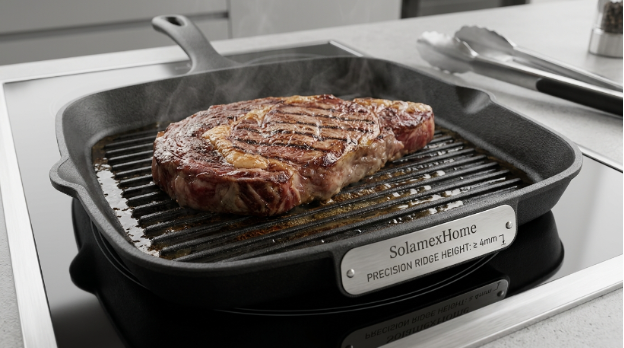
Cast iron needs a little extra love. Skip the dishwasher—hand wash with hot water and a stiff brush (no soap, as it strips the seasoning). Dry immediately to prevent rust. To season, coat with a thin oil layer and heat in the oven at low temperature for a few hours.

Smart Shopping Tips for 2-Quart Cookware
- Brand Reputation: Look for trusted names like All-Clad, Le Creuset, or Cuisinart—their products blend durability and performance.
- Material Matters: Stainless steel offers even heating; non-stick is convenient for delicate foods; cast iron retains heat but is heavy. Choose based on your cooking style.
- Set a Budget: Prices range from budget-friendly to luxury. Invest in quality if you use it often—a good piece will last for years.
- Read Reviews: Check e-commerce sites, cooking forums, and review platforms for real-user feedback on performance and durability.
Conclusion: Embracing the 2-Quart Lifestyle
As we wrap up this journey through the world of "2 quart," it's clear that this measurement is far more than just a number. From its Latin roots meaning "fourth" to its role as a kitchen staple in the US customary system, the 2-quart measurement weaves through our daily lives in ways both big and small.
We've explored how it translates to specific cookware dimensions, catering to everything from solo meals to small gatherings, and even small-scale commercial use. We've demystified unit conversions and answered those nagging questions about recipe adaptation, cleaning, and smart shopping.
The next time you're in the kitchen, let this knowledge empower you. Whip up a sauce in your 2-quart saucepan with confidence, convert quarts to liters effortlessly for that international recipe, and make informed choices when adding to your cookware collection.
For further exploration, dive into cookbooks with measurement conversion sections or check out websites like Serious Eats and Cook's Illustrated for in-depth cookware reviews. Armed with this knowledge, you're ready to embrace the 2-quart world with confidence—happy cooking!
2-Quart Cookware: My Practical Kitchen Companion
HexClad Cookware Review: Unpacking Safety Concerns & Value for Money