What Size Frying Pan Do You Need? A Complete Breakdown of Sizes & Uses
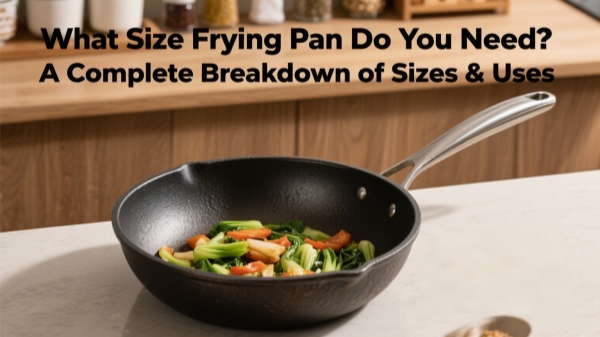
From sunny-side-up eggs to family-sized stir-fries, the right pan size makes all the difference. This guide breaks down everything you need to know about frying pan dimensions.
Why Frying Pan Size Matters More Than You Think
Walk into any kitchen supply store, and you'll quickly notice frying pans come in a dizzying array of sizes. But this isn't just about kitchen aesthetics—your pan's diameter directly impacts cooking performance, heat distribution, and how well your food turns out.
A professional chef might reach for a 10-inch skillet for searing steaks, while a college student living alone probably finds an 8-inch pan more practical. The key is matching the size to your cooking habits, household size, and even your stove type.
Measuring Frying Pans: The Industry Standard
Contrary to what some might assume, frying pan sizes refer to the frying pans' diameter measured from the outer edge to outer edge—not the cooking surface or the handle. This industry standard applies across most brands, making comparisons easier.
Depth is another important dimension, though it's rarely included in the "size" label. A 12-inch pan with 2-inch sides handles differently than one with 3-inch sides, especially for sauces or foods that might splatter.
| Size Category | Diameter Range | Typical Depth |
|---|---|---|
| Small | 6-8 inches | 1.5-2 inches |
| Medium | 9-11 inches | 2-2.5 inches |
| Large | 12-14 inches | 2.5-3 inches |
| Extra-Large | 14+ inches | 3+ inches |
Breaking Down the Sizes: When to Use Each One
Small Frying Pans (6-8 inches)
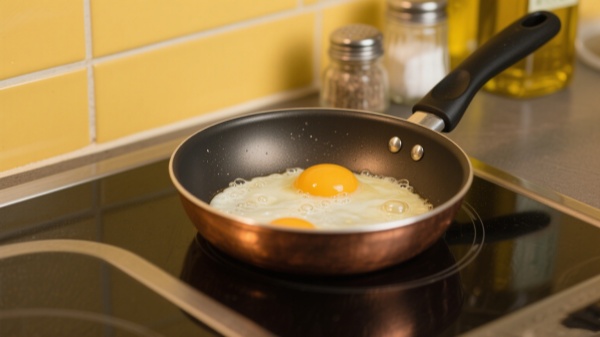
These compact pans are kitchen workhorses for single-serving meals and small tasks. Their petite size makes them ideal for quick heating, perfect for tasks that require precise temperature control.
Best Uses:
- Single eggs or omelets
- Heating small amounts of sauce
- Toasting spices or nuts
- Making crepes or small pancakes
Considerations:
Most small pans work well on any burner, including the small "simmer" burner on electric stoves. They're also easier to store and clean than larger options.
Medium Frying Pans (9-11 inches)
The workhorses of most home kitchens, medium pans strike a balance between versatility and manageability. A 10-inch pan is often recommended as the "must-have" size for basic kitchens.
Best Uses:
- 3-4 person omelets
- Stir-fries for 2-3 people
- Searing chicken breasts or fish fillets
- Making grilled cheese sandwiches (2-3 at a time)
Considerations:
Medium pans work well on standard and large burners but may be too big for small simmer burners. Their size makes them versatile for both stovetop and oven safe use (check manufacturer guidelines).
Large Frying Pans (12-14 inches)
These substantial pans are designed for feeding groups or handling large cuts of meat. Their generous surface area prevents overcrowding, which is crucial for proper browning and cooking.
Best Uses:
- Family-sized stir-fries (4+ people)
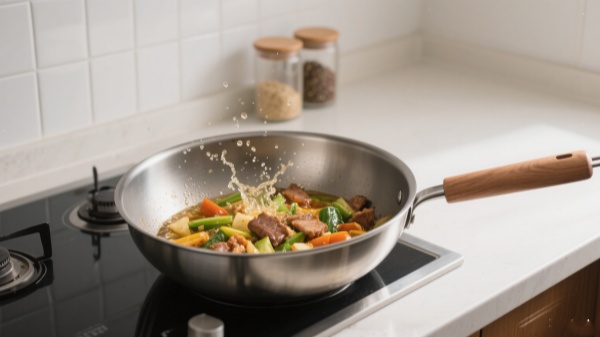
- Searing multiple steaks or chops
- Cooking whole fish (up to 1.5 lbs)
- One-pan meals like frittatas
Considerations:
Large pans require more storage space and can be heavy, especially when filled with food. They work best on large burners to ensure even heating across the entire surface.
Extra-Large Frying Pans (14+ inches)
These oversized pans are specialty items, typically found in commercial kitchens or homes with serious cooking enthusiasts. Their size demands both physical strength and appropriate stove space.
Best Uses:
- Catering or party-sized meals
- Cooking multiple proteins at once
- Large batch sauces or reductions
- Outdoor cooking over open flames
Considerations:
Extra-large pans often require commercial-style stoves or dual burners to heat properly. They can be challenging to maneuver and may not fit in standard dishwashers.
Choosing the Right Size: Key Factors to Consider
Selecting frying pan sizes isn't just about how many people you cook for—it involves assessing your cooking style, equipment, and kitchen space.
Household Size
A general guideline: allow 2-3 inches of pan diameter per person you regularly cook for. For a family of four, that means 10-12 inch pans will handle most meals.
Stove Type and Burner Sizes
Electric coil stoves often struggle with large pans, as the heating element can't reach beyond its diameter. Gas stoves and induction cooktops offer more flexibility but still perform best when pan size matches burner size.
Induction Cooktop Tip:
Induction surfaces have specific size limits—usually 6-12 inches for home models. A 14-inch pan on a standard induction burner will create hot spots where the magnetic field doesn't reach.
Cooking Style
If you frequently make one-pan meals, larger sizes are worth the investment. If you mostly cook simple dishes or prefer cooking in batches, a medium pan might suffice.
Storage Constraints
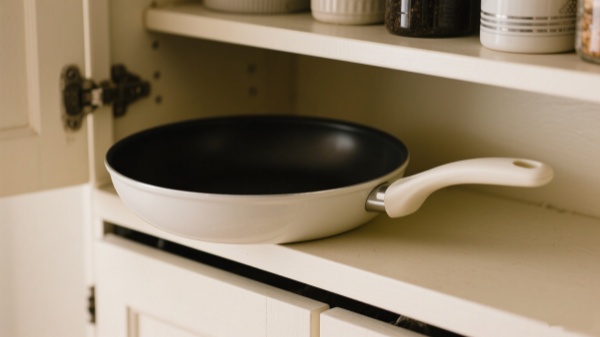
Measure your cabinet space before purchasing large pans. Some 14-inch models require vertical storage or dedicated pan drawers.
Maintaining Different Sizes: Size-Specific Care Tips
While basic care applies to all pans, certain maintenance considerations vary by size.
Small Pans
Their compact size makes them prone to tipping if placed on large burners with high heat. Avoid using small pans for deep-frying, as the narrow base increases splatter risk.
Large Pans
Check large pans regularly for warping, especially if used on high heat. An uneven base can cause hot spots and make stirring difficult. When cleaning, avoid leaning heavy items on the edges, which can bend them.
All Sizes
Regardless of size, allow pans to cool completely before submerging in water—this prevents warping, especially important for larger pans with more metal mass.
Frequently Asked Questions
Measurement methods can vary slightly between brands, and depth differences affect perceived size. Some manufacturers measure from the inner edge, while most use outer edge measurements. Always check product dimensions if size critical.
You can, but it's inefficient. The center will heat more than the edges, leading to uneven cooking. For best results, match pan size to burner size as closely as possible.
Not necessarily. While larger pans prevent overcrowding, they're heavier and harder to maneuver. The "best" size depends on what you're cooking and how many people you're serving.
Most professionals rely on a 10-inch pan as their primary tool, with 12-inch pans for larger tasks. In a survey of 50 restaurant chefs, 72% reported using 10-inch pans for 60% or more of their cooking tasks.
If more than 2 inches of the pan extends beyond the burner on all sides, it's likely too large. This causes uneven heating and can be a safety hazard with gas stoves, as flames can lick up the sides.
Building Your Perfect Frying Pan Collection
Most home cooks find that 2-3 different sizes cover their needs. A typical starter set might include:
- 8-inch pan for individual meals and small tasks
- 10-inch pan for everyday cooking
- 12-inch pan for family meals and entertaining
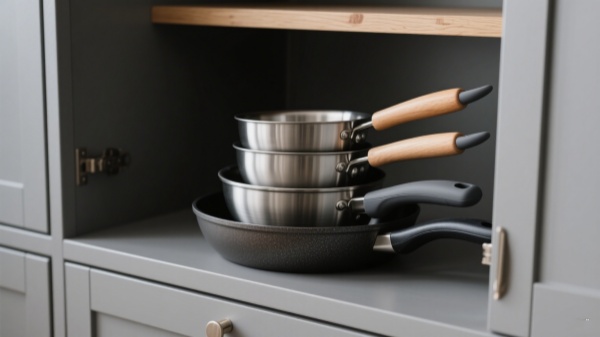
As you develop your cooking skills, you can add specialty sizes based on your most frequent dishes.
Remember, the best frying pan size is the one that fits your cooking style, kitchen space, and daily needs. With the right sizes in your cabinet, you'll be ready for everything from quick breakfasts to holiday feasts.
For retailers and commercial kitchens, carrying a full range of frying pan sizes is key to meeting varied needs. Solamex, a wholesale cookware provider, offers these versatile sizes—plus other kitchen essentials—tailored for every professional scenario.
Frying Pan Sizes Decoded: How to Measure & Choose the Right Fit
Die-Cast Aluminum Cookware: Safety, Performance & Buying Guide