Ultimate Guide to 8″, 10″ & 12″ Frying Pans: Measure, Compare & Choose
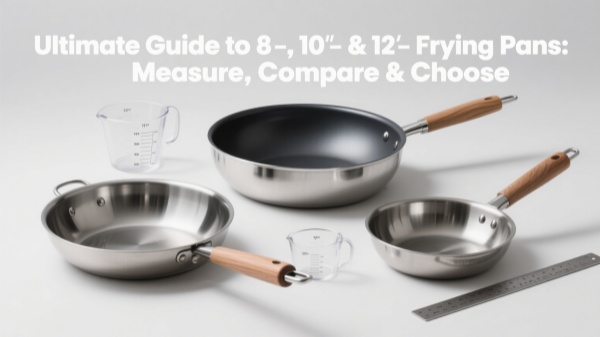
Ultimate Guide to 8″, 10″ & 12″ Frying Pans: Measure, Compare & Choose
1. Introduction: Why Pan Size Matters
Choosing the correct frying pan size is critical for cooking performance, portion control, and efficient kitchen storage. A pan that’s too small leads to overcrowding and uneven heat distribution, while an oversized pan can waste energy and create cold spots. In this guide, we combine professional expertise with practical tips to help home cooks and culinary enthusiasts make the best choice for their needs.
2. How Do You Measure a Frying Pan Size?
Before selecting a new frying pan, you need to accurately measure the diameter of your current or prospective skillet. Follow these steps to ensure you get the true cooking surface:
- Place a ruler or flexible measuring tape flat inside the pan, just touching the inner walls (ignore any rolled lip).
- Record the distance from one inner wall to the opposite inner wall in inches.
- Note the usable cooking surface as slightly smaller than the full rim-to-rim measurement if your pan has a flared edge.
Pro Tip: Measure when the pan is cool and centered on a level countertop to avoid warping inaccuracies.
3. Frying Pan Sizes Compare: 8″ vs. 10″ vs. 12″
| Size | Servings | Common Uses | Approx. Weight |
|---|---|---|---|
| 8″ | 1–2 | Eggs, toasting spices, single fillets | 1.2 lbs |
| 10″ | 2–3 | Omelettes, sautéed veggies, small meats | 1.8 lbs |
| 12″ | 4+ | Family meals, searing steaks, frittatas | 2.5 lbs |
With exact measurements in hand, you’re ready to explore which size best matches your cooking habits.
4. Deep Dive: 8″ Frying Pans
8-inch pans offer a compact footprint and rapid heating, making them ideal for single servings and precise tasks. Their smaller surface concentrates heat, perfect for toasting spices or cooking a single egg.
Best Uses: Solo breakfasts, reheating leftovers, searing small fillets.
Considerations: An 8″ skillet is not suitable for pancakes or larger cuts; you may find flipping tricky and portions limited.
5. Deep Dive: 10″ Frying Pans
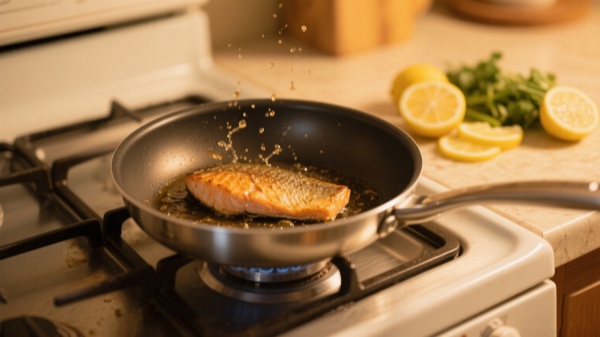
The 10-inch frying pan strikes the perfect balance between capacity and maneuverability. It handles two-egg omelettes, sautéed vegetables, and small cuts of meat with ease.
Why 10″ Is Popular: Most home cooks find that a 10″ skillet covers 90% of their daily needs without hogging stovetop space.
Common Questions: “Is a 10″ pan big enough for family dinner?” It depends on portion sizes, but for two to three people, a 10″ pan often suffices.
6. Deep Dive: 12″ Frying Pans
Designed for feeding families or batch cooking, 12-inch pans deliver an expansive cooking area. They excel at searing multiple steaks, making frittatas, and even skillet pizzas.
Trade-Offs: Larger pans weigh more, consume more energy, and can develop uneven heat if overloaded. Use staggered preheating to maintain consistent temperatures.
7. Material & Construction
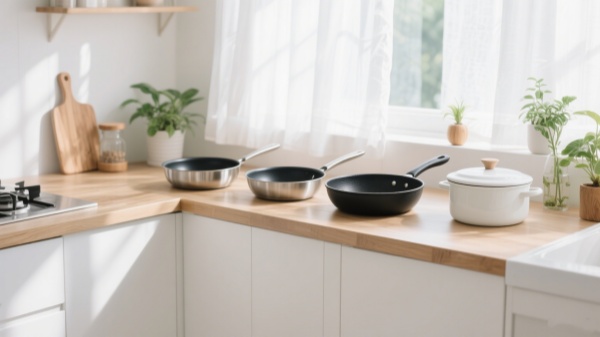
Your pan’s size and material together determine performance. Common options:
- Non-Stick: Easy release but less durable at high heat.
- Stainless Steel: Durable and versatile; benefits from an aluminum or copper core for even heat.
- Cast Iron: Outstanding heat retention; heavy, needs seasoning.
- Ceramic: Aesthetic, often PTFE/PFOA-free; watch for chipping.
For example, a 12″ cast iron skillet will hold heat brilliantly but may intimidate cooks who struggle with lifting heavier pans.
8. Choosing Your Ideal Pan Size
Use this simple quiz to find your perfect match:
- How many people do you typically cook for? (1, 2–3, 4+)
- Do you make single-serve dishes or batch recipes?
- Is storage space a concern?
- What’s your budget per pan?
Decision Tree:
• Mostly solo → 8"
• Occasional guests → 10"
• Frequent entertaining → 12"
9. Top Brand & Model Picks
| Size | Brand & Model | Price | Pros / Cons |
|---|---|---|---|
| 8″ | Lodge Cast Iron | $15 | Excellent heat; heavy; needs seasoning. |
| 10″ | Anolon Advanced Hard-Anodized | $45 | Non-stick; sturdy; not induction. |
| 12″ | GreenPan Rio Ceramic | $30 (sale) | PTFE-free; lightweight; coating can wear. |
10. Care & Maintenance
Proper upkeep ensures your pan lasts for years:
- Cast Iron: Season after each wash; avoid soap.
- Non-Stick: Use silicone or wooden utensils; hand-wash.
- Stainless Steel: Use oil or butter to minimize sticking; scrub with non-abrasive pads.
Storage Tip: Place a paper towel or pan protector between stacked skillets to prevent scratches.
11. FAQ & People Also Ask
What size frying pan do I need for two people?
A 10-inch pan typically suffices for two servings, offering enough surface without overcrowding.

Can I measure a pan while it’s hot?
It’s best to measure cool to prevent burns and reduce warping errors.
Is a smaller pan more energy efficient?
Yes—smaller pans heat faster and use less energy, but only for small batches.
12. Conclusion & Next Steps
Accurate measurement, thoughtful size choice, and the right material combine to deliver excellent cooking results. Use our quiz, review the brand picks, and invest in a pan that matches your lifestyle. Share your experiences or questions in the comments below to help this guide grow.
8/10/12 Inch Frying Pan: Ultimate Guide to Sizes, Measurement & Uses
HexClad Cookware: Non-Toxic Safety Deep Dive, Certifications, and How It Compares