Which Frying Pan Size Should You Buy? Quick Guide to 6", 8", 10", 12" & 14" Skillets
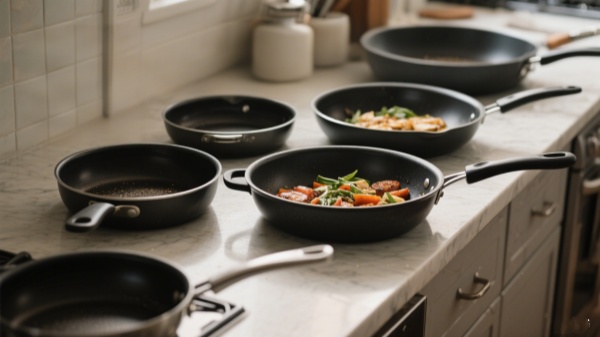
This guide explains how frying-pan sizes are measured, what each common size is best for, how depth and shape affect performance, and a practical buying checklist (including a short wholesale note). Use the size chart below to compare sizes at a glance, and jump to the FAQ at the end for quick People-Also-Ask style answers.
How frying pan sizes are measured
Manufacturers usually list a frying pan by its rim-to-rim diameter (for example, “12-inch”). Because most pans have sloped walls, the actual flat cooking surface is often smaller than the labeled size — that difference matters when you need to fit a specific burner or measure how much food you can cook at once.
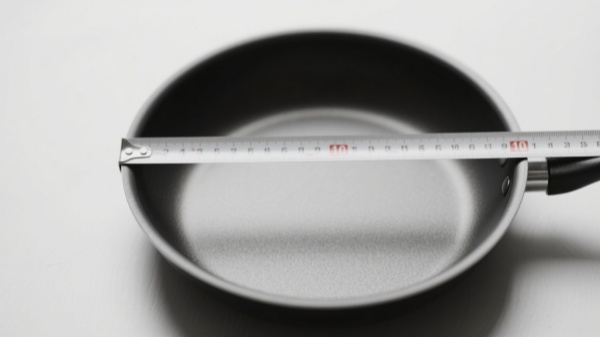
Measure a pan by placing it flat on a surface and measuring straight across the top from one rim to the other. If you need the usable cook area, measure the flat bottom surface across the centre.
Size-by-Size Breakdown (What Each Size is Best For)
6-inch (mini)
Best for single eggs, small sauces, or camping. Very compact and lightweight, but not useful for family portions.
8-inch (small)
Great for 1–2 servings: eggs, small sautéed sides, quick breakfasts. Easy to store and heats fast.
10-inch (medium) — the most versatile choice
Handles 2–3 servings reliably. It’s the best single pan for general use if you want one primary skillet — pancakes, sautés, searing small steaks.
12-inch (large)
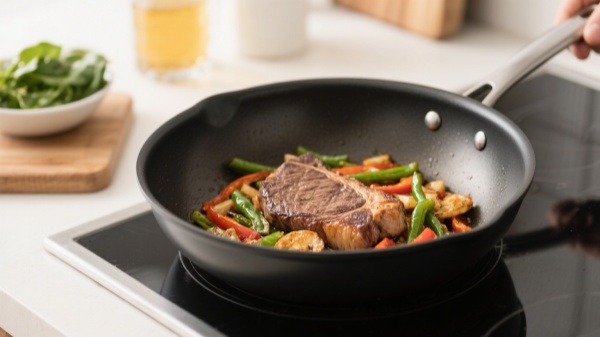
Good for family meals, searing larger cuts or stir-fries for 3–4 people. Requires more storage space and benefits from a matching burner size for even heat.
14-inch and larger (extra large)
Useful in commercial kitchens or for big-batch cooking. Heavy and harder to store; often overkill for everyday home use unless you host often.
Why Depth and Shape Matter (Not Just Diameter)
Two 12-inch pans can behave differently: a shallow skillet is better for searing and flipping, while a deep fry pan holds sauces and lets you toss ingredients. Consider both diameter and side height when matching a pan to the recipes you cook most often.
How to Choose the Right Size for Your Situation
- Household size: single → 8″ or 10″; couple → 10″; family → 12″ (or 10″ + 12″).
- Recipe type: eggs/pancakes → 8–10″; steaks/stir-fries → 10–12″; one-pan dinners → deeper 12″ skillet or sauté pan.
- Stove & burners: match pan base to burner diameter—too large a pan on a small burner gives uneven heat.
- Storage & weight: cast iron and large stainless pans can be heavy—factor handle length and cabinet space.
Quick Size Chart
| Labelled Size | Approx. Flat Cooking Surface* | Servings | Best Uses | Burner recommendation |
|---|---|---|---|---|
| 6″ | ~4–5″ | 1 | Eggs, sauces, camping | Small single burner / camping stove |
| 8″ | ~6–7″ | 1–2 | Breakfasts, small sautés | Small to medium burner |
| 10″ | ~8–9″ | 2–3 | Everyday cooking, pancakes, searing | Medium burner |
| 12″ | ~9–10.5″ | 3–4 | Family meals, one-pan dinners | Large burner |
| 14″+ | ~11″+ | 4+ | Big batches, commercial use | Large commercial burner |
*Approximate flat cooking surface varies by brand and slope of the sides — measure the flat base if exact fit is required.
Buying Checklist (What to Check Before You Buy)
- Labelled diameter vs actual flat cooking surface — check both.
- Material choice by use: nonstick for low-fat eggs, stainless for high-heat searing, carbon steel for professional-style browning.
- Induction compatibility, oven-safe temp, handle ergonomics, and weight.
- Storage: stackability and lid interchangeability (if you plan sets).
- Warranty and commercial / wholesale options (see B2B note below).
FAQ — Short Answers
A: If you want one go-to pan, buy a 10″. For a small set, add an 8″ for singles and a 12″ for family meals.
A: Sizes are usually measured rim-to-rim (wall-to-wall). The flat cooking surface is smaller due to sloped sides — measure the base if you need exact fit for a burner or recipe.
A: Kitchens typically use larger, heavier pans (12″ and up) for capacity and heat retention. For high volume, consider commercial-grade pans with thicker gauge metal.
A: You can, but expect slower and less even heating. Match pan size to burner size when possible for best performance.
Final Recommendations & Quick Checklist
For most home cooks: get a 10″ as your primary pan. Add an 8″ if you cook for one often, and a 12″ if you regularly cook for 3–4 people. Keep the pan base and burner sizes in mind — and pick materials that suit your regular cooking (nonstick for low-fat breakfasts, stainless or carbon steel for high-heat searing).
Your Pan's Too Small? Understanding Frying Pan Sizes from 8 to 14 Inches
How Big Is 6 Quarts: Complete Measurement Guide with Real-World Examples