Wok Disadvantages: What to Know Before You Buy
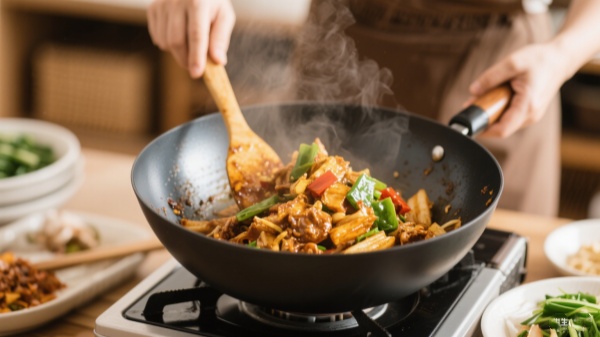
- Main short answer of woks: Excellent for high-heat tossing, but expect size, heat-source and maintenance trade-offs.
- Top disadvantages: Size & storage; stove compatibility; material maintenance; warping; skill curve.
- Includes: material comparison table, stove tips, maintenance steps, FAQ.
Top Disadvantages of Woks
Below are the most common drawbacks people run into. Each item starts with a short takeaway, then gives practical context and fixes where possible.
1. Size & storage — Short answer: often large and awkward to keep.
If you live in a small apartment, a 14–16 inch wok can be hard to store and handle. The deep, flared shape that makes a wok great for tossing also takes up vertical space and can clash with kitchen cabinets and dish racks.
Practical tweak: consider a smaller 10–12 inch carbon-steel wok or a shallow flat-bottom model designed for compact kitchens. Many home cooks choose a 12-inch flat-bottom wok as a practical compromise.
2. Heat-source & performance limitations — Short answer: woks need strong, even heat.
Traditional woks were designed for wide, powerful flame. On many home stove types—especially small electric coils or weaker induction cooktops—the wok won't reach the same temperatures or heat distribution. That limits the searing and smoky "wok hei" effect.
Solutions: pick a flat-bottom, induction-compatible wok for induction or electric cooktops; use a wok ring only if you have a very strong gas flame; or accept slightly different results and adapt recipes (smaller batches, higher preheat).
3. Material trade-offs & maintenance — Short answer: carbon steel needs seasoning; non-stick limits heat.
Carbon steel and cast iron develop a seasoning layer over time that improves performance—but both need care (no dishwasher, avoid long soaking, dry quickly). Non-stick woks are convenient but usually cannot withstand the very high heat used for authentic stir-frying and their coating shortens lifespan under such conditions.
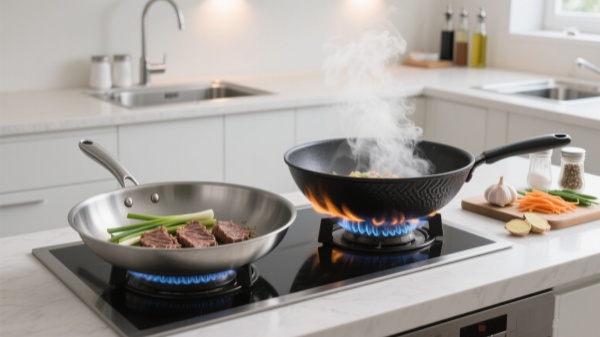
Practical routine: hand-wash with hot water, dry on the stove, oil lightly after use. If you want low-maintenance, accept the trade-off: you won't get the same high-heat sear with easy-clean non-stick options.
4. Weight & handling — Short answer: large or cast-iron woks can be heavy and tiring to use.
If you flip and toss frequently, a heavy wok is a poor choice—particularly for older cooks or anyone with wrist issues. Modern carbon-steel woks are usually lighter and better for toss-style cooking.
5. Warping & durability — Short answer: thin bottoms can warp under repeated thermal stress.
Thin-gauge woks can warp when exposed to rapid temperature changes (for example, very hot flame followed by cold water). Warping lowers contact on flat cooktops and worsens heat transfer. Choose a mid-gauge or heavier-bottom wok if you plan to use it on flat electric or induction surfaces often.
6. Skill curve & compatibility with home cooking styles — Short answer: a wok isn't a magic shortcut.
Woks require learning—managing batch sizes, preheating, proper oiling and tossing technique. Many home cooks buy a wok with high expectations, then stop using it because they didn't match the technique to their stove and typical recipes.
Advice: start with simple stir-fries, smaller batches, and follow a single reliable recipe a few times before trying to replicate restaurant-level tossing.
Material Comparison: Which Wok for Which Kitchen?
The right material depends on how you cook and how much maintenance you will tolerate. The table below summarizes common choices.
| Material | Pros | Cons | Best for |
|---|---|---|---|
| Carbon steel | Great heat response; lightweight; builds seasoning | Needs seasoning & care; can rust if stored wet | Traditional stir-frying; cooks who accept maintenance |
| Cast iron | Excellent heat retention; durable | Heavy; slow to heat; needs seasoning | Low-and-slow, searing, and when weight isn't an issue |
| Stainless steel (multi-ply) | Low maintenance; durable; no seasoning | Poor non-stick, slower heat response | Multi-purpose home use; pans where care-free is priority |
| Non-stick (ceramic coated) | Easy cleaning; low food stick | Cannot handle sustained very-high heat; coating lifespan | Low-effort cooking, low-heat stir-fries, omelettes |
| Aluminum (clad) | Light and responsive when clad with other metals | Pure aluminum warps and scratches easily | Budget options or clad pans with stainless surface |
Tip: if you frequently use induction, choose a flat-bottom, magnetic wok or a multi-clad pan specially marked as induction-compatible.
Stove Compatibility and Practical Tips
Not all stoves play nicely with all woks. Here are quick, practical guidelines by stove type.
Gas stove
Gas is the most wok-friendly option: flames can concentrate at the base and provide quick temperature changes. For round-bottom woks a strong, wide flame and a proper wok ring are ideal. If your home gas burner is small, a flat-bottom wok often performs better.
Electric coil or radiant glass
Flat-bottom woks are preferred. Avoid round-bottom woks unless you have a very small, high-output coil or are willing to use a wok ring and accept uneven contact.
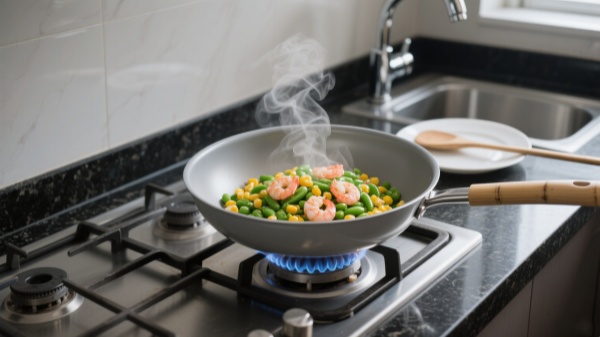
( A wok ring is a metal stand placed over a stove burner to support and stabilize a round-bottomed wok, which prevents it from wobbling and allows for higher heat concentration at the wok's base for authentic stir-frying techniques.)
Induction
Induction needs direct metal contact. Round-bottom woks usually perform poorly; a flat, induction-rated wok or a disc adaptor (with performance loss) is the fix. For best results, buy a wok explicitly labelled for induction use.
- Prefer flat-bottom wok on electric/induction.
- Use a heavy-gauge base if you worry about warping.
- Preheat the wok properly—don't add food to a cold pan.
Maintenance & Seasoning (Step-by-Step)
Most performance issues come from improper care. Below is a short, practical routine for carbon-steel woks—the most common and best-performing choice for many cooks.
- Initial seasoning: Wash and dry the new wok, heat until it changes color slightly, rub in a high-smoke-point oil (like peanut or grapeseed), and heat again until the oil polymers form a patina.
- After each use: Rinse with hot water, use a soft brush or spatula to remove food (no soap unless necessary), dry on low heat on the stove, then rub a thin layer of oil and store.
- Remove rust: If rust appears, scrub with fine steel wool, wash, dry, then re-season as above.
Avoid the dishwasher(click here to found dishwasher safe cookware) and long soaking—both strip seasoning and invite rust.
When to Choose an Alternative (Buy-or-Not Checklist)
A wok is the right tool if you cook with high heat often, enjoy tossing techniques, and are willing to maintain the pan. Skip it if any of these apply:
- Your kitchen is tiny and storage is a premium.
- You use induction and don't want to buy a compatible wok.
- You prefer low-maintenance cookware and hate seasoning.
- You rarely cook stir-fries or prefer slow-cooking methods.
If you check any of the above, a heavy skillet or stainless frying pan may better match your needs.
Practical Test: Simple Recipe to Try (Small-Batch Stir-Fry)
A quick way to test whether a wok suits you: try a 2-person stir-fry with thinly sliced protein and vegetables. Use high heat, small batches, and watch how the pan handles thermal recovery. If the pan drops temp drastically, try smaller batches or a heavier-bottomed wok.
FAQ
A wok is better for very high-heat tossing and fast searing; a frying pan is better for even, flat contact tasks.
More: Use a frying pan for pan-searing, pan-roasting, and dishes where flat contact matters. Choose a wok when you want quick, high-heat cooking with lots of movement.
Size and storage, stove incompatibility, required maintenance, possible warping, and a learning curve.
More: See the material table and stove guidance above to match the wok to your kitchen and reduce these problems.
Yes—if it has a magnetic, flat base; round-bottom woks usually perform poorly on induction.
More: If your induction unit lacks strong power, consider a multi-clad induction wok or a heavy-bottomed flat pan.
Dry fully after washing, heat briefly on the stove, apply a thin coat of oil, and store in a dry spot.
More: Re-season if rust appears. Regular light oiling prevents moisture exposure that causes corrosion.
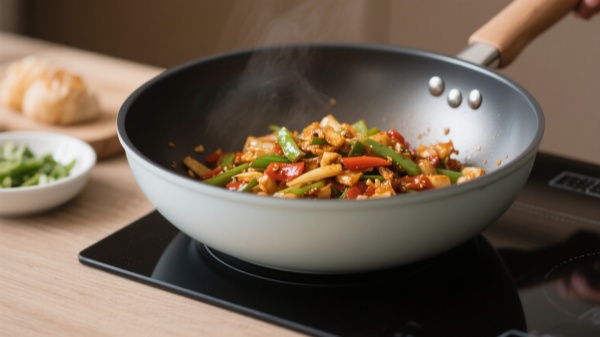
Non-stick simplifies cleaning but limits the high heat required for authentic wok flavors and shortens the pan's life if overheated.
More: If you prioritize low-maintenance over extreme heat cooking, a non-stick wok may be acceptable. Otherwise, use carbon steel for best results.
Final Verdict — Should you Buy a Wok?
Buy a wok if you want and will use high-heat, quick-cook techniques regularly and are comfortable with the care it demands. If you want a low-effort, all-around pan that performs consistently on induction or in tiny kitchens, pick a heavy skillet or a multi-purpose frying pan instead. Regardless of your choice, remember to check the sizes of frying pans or a wok before you make your purchase.

Solamex — Wholesale Pots and Pans Expertise
Solamex offers woks wholesale and a comprehensive range of wholesale pots and pans, combining durable materials, precise craftsmanship, and flexible product customization. From premium stainless steel to advanced nonstick lines, our catalog is built for both retail distribution and demanding commercial kitchens — ensuring consistency in performance and presentation.
The Truth About Wok Disadvantages: 7 Hidden Drawbacks You Need to Know Before Buying
The Ultimate Guide to the Induction Cookware Pan: How to Choose, Use, and Care for It