2/4/8 Quart Container Size Guide: Detailed Analysis and Scenario-Based Applications
1. Introduction: Cracking the Code of Quart Capacity Searches
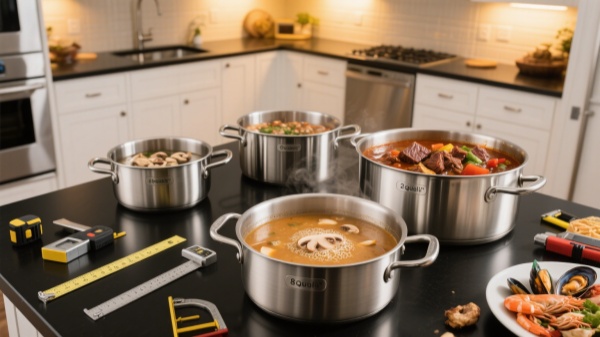
Whether you're a home cook, a professional baker, or a foodservice operator, choosing the right container size is crucial for efficient meal preparation and storage. This comprehensive guide breaks down 2qt, 4qt, and 8qt sizes, offering insights into volume conversion, physical dimensions, and selection strategies to meet diverse culinary needs.
2. Target User Profiles and Search Intent Analysis
2.1 Four Core User Groups and Their Needs
| User Type | Core Needs | Typical Scenarios | Search Motivation |
|---|---|---|---|
| Home Cooks | Daily cooking container fit | Family dinners, baking cookies | Is a 4 quart stockpot enough for family soup? |
| Kitchenware Shoppers | Product parameter comparison | Buying non-stick pans online | Does an 8 quart pot fit on my gas stove? |
| Bakers | Precise capacity control | Batch macaron production | Can a 2 quarts baking tray fit two cookie sheets? |
| Foodservice Operators | Efficient meal preparation | Commercial kitchen stock preparation | How many servings can a 4 quart pot cook at once? |
2.2 Deep User Needs
- Volume Visualization: Convert quarts to liters/cups for intuitive understanding
- Scenario Fit: Concerns about serving sizes and oven compatibility
- Selection Criteria: Material (cast iron/stainless steel/ceramic) vs. capacity balance
3. Basic Concepts: Establishing Quart Capacity Reference
3.1 Volume Unit System
1 US quart = 0.946 liters = 4 cups = 32 ounces (cited from NIST standards).
Visual reference: 2 quarts ≈ 2 bottles of 1L cola; 4 quarts ≈ standard rice cooker capacity.
3.2 Container Size Influencing Factors
- Geometric parameters: Height × Diameter × Depth (see brand size comparison table below)
- Capacity tolerance: Actual volume may vary by ±5% across brands
4. In-Depth Capacity Analysis: Micro to Macro Perspectives
4.1 2 Quarts: The Ideal Small Capacity
4.1.1 Physical Properties & Dimensions
Volume: 1.89L (±50ml)
Typical size: 12-15cm height × 18-22cm diameter (measured from Le Creuset products)
Weight: 0.8-1.5kg (stainless steel vs. enamel comparison)
4.1.2 Practical Applications
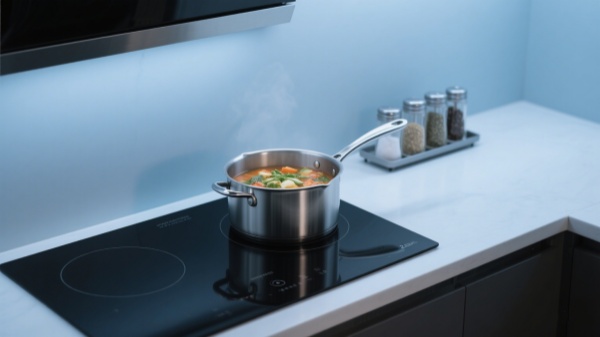
- Home use: 1-2 servings of minestrone/cream stew (see recipe portion chart)
- Baking: 6-inch cake mold/4-cup muffin tray
- Special use: Baby food portioning, lab reagent storage
4.1.3 Buying Tips
Q: Should I choose a 2qt milk pan with a spout or one-piece design?
A: Spouted pans are ideal for sauces; deep non-stick pans work better for frying eggs (see usage scenario comparison table).
4.2 4 Quarts: The All-Round Household Workhorse
4.2.1 Volume Upgrade Advantages
Volume: 3.79L (≈4 bottles of 500ml mineral water)
Oven compatibility: Fits most home ovens (inner dimension ≥30cm×30cm required)
4.2.2 Diverse Cooking Solutions
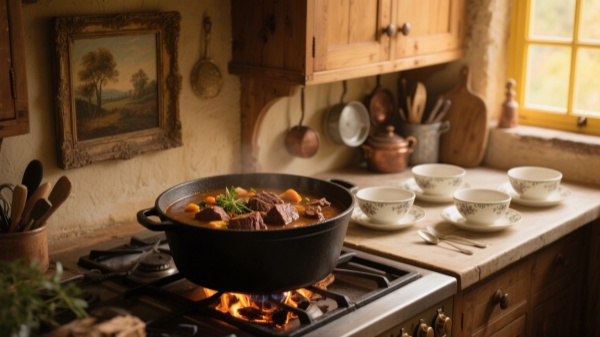
- Stews: 4 servings of beef bourguignon/whole chicken soup (pressure cooker vs. stockpot efficiency comparison)
- Baking: 9-inch pizza pan/20cm×30cm baking tray
- Commercial use: Daily syrup preparation for small coffee shops (cost control tips included)
4.2.3 Material Selection
Cast iron: Excellent heat retention but heavy (ideal for slow cooking)
Aluminum alloy: Fast heat conduction, requires coating maintenance (suitable for stir-frying)
4.3 8 Quarts: The High-Capacity Efficiency Choice
4.3.1 how big is 8 quarts
Volume: 7.57L (≈2.5 standard rice cookers)
Size reference: 25-30cm height × 28-32cm diameter (commercial kitchen countertop fit advice)
4.3.2 Professional Applications
- Commercial kitchens: 50 servings of stock/100 hamburger patties per batch (meal prep optimization plan)
- Family gatherings: 10 servings of paella/whole turkey roasting (oven space planning diagram)
- Special use: Pet food storage/garden fertilizer mixing
4.3.3 Commercial-Grade Buying Criteria
Bottom thickness: ≥3mm stainless steel composite bottom (anti-scorch and even heat distribution)
Handle design: Double-rivet reinforcement vs. welded (load-bearing safety comparison)
5. Horizontal Comparison & Decision Model
5.1 Core Parameter Comparison
| Dimension | 2 Quarts | 4 Quarts | 8 Quarts |
|---|---|---|---|
| Serving Size | 1-2 people | 3-6 people | 8+ people |
| Primary Use | Small portions | Daily family meals | Gatherings/commercial use |
| Oven Fit | Universal | Size-dependent | Large ovens only |
| Price Range | $20-$50 | $50-$150 | $150+ |
5.2 FAQ
Q: Can a 4 quart pot replace a 2 quarts for small portions?
A: Yes, but expect higher heat loss. (See energy consumption comparison data in the full article.)
6. Extended Value: Full Lifecycle Guide for Use and Maintenance
6.1 Efficient Usage Tips
- Temperature control: Medium heat maximum for 2qt pans; leave edge cooling zone for 8qt pots
- Ingredient ratio: 70% filling for 4qt containers to prevent spillage
6.2 Professional Maintenance
| Material | Cleaning Tips | Storage Warnings | Lifespan |
|---|---|---|---|
| Enamel Cast Iron | Avoid steel wool, air dry | Moist environments | 10+ years |
| Stainless Steel | Citric acid for scale, dry storage | Salt residue | 5-8 years |
| Ceramic Coating | Gentle detergent, no dry boiling | Metal utensils | 2-3 years |
7. Conclusion: Building the "Precise Fit" Model
This guide establishes a three-level decision system—Scenario → Capacity → Material—to solve the common problem of over/under-sizing. Whether for home cooking or commercial use, understanding quart sizes ensures optimal kitchen efficiency and cost savings.
Ceramic Coated Stock Pot: Non-Toxic, Non-Stick & Durable Guide 2025
Understanding Quart Capacities: Choosing the Right 2 qt, 4 qt, and 8 qt Pots