2, 4, 8 Quart Cookware Sizes Explained: Complete Guide & Buying Tips
Introduction
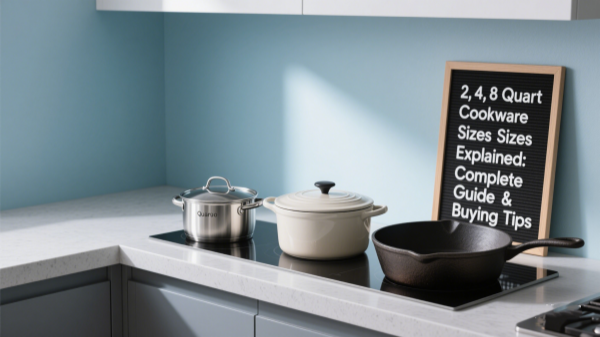
Ever stared at a recipe calling for 2 quarts of stock and wondered how big that really is? Choosing the right pot or container size can save time, reduce energy waste, and ensure perfect portions every time. In this guide, we’ll decode the quart unit, convert to familiar measures, visualize each capacity, explore kitchen applications, weigh pros and cons, and finish with expert buying tips. By the end, you’ll have a clear mental model for 2‑, 4‑, and 8‑quart vessels—no guesswork required.
Let’s start with the fundamentals: what exactly is a quart?
1. Quart Basics & Conversions
A quart is a U.S. customary unit of volume originally derived from the Latin "quartus" (one-quarter of a gallon). While the U.S. and U.K. quarts differ, here we focus on the U.S. quart: 1 US quart = 0.946352946 liters ≈ 4 cups.
Below is a quick-reference table showing common quart sizes and their approximate equivalents:
| Quarts | Liters | Cups |
|---|---|---|
| 2 qt | 1.8927 L | 8 cups |
| 4 qt | 3.7854 L | 16 cups |
| 8 qt | 7.5708 L | 32 cups |
With these figures, you can easily swap between metric and imperial recipes. Next, let’s make these numbers tangible by visualizing real cookware dimensions.
2. Visualizing Physical Size
2‑Quart Containers
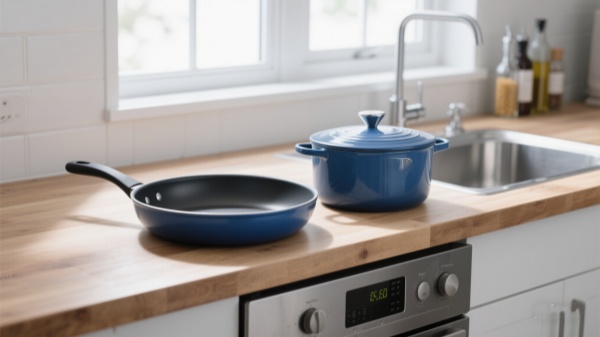
Most 2‑quart saucepans measure around 7 inches in diameter and 3–4 inches in height. For instance, a Blue Diamond 2‑quart saucepan is 7" diameter by 6.4" long including handle. Imagine two standard coffee mugs worth of liquid—that’s your 2‑quart volume.
4‑Quart Pots & Pans
A typical 4‑quart stock pot has an 8.5–10" inside diameter and 4–5" height; for example, a Waterless Cookware 4‑quart pot is 10.18" rim diameter, 8.5" inside, and 4.37" tall. Visually, it’s like stacking a dinner plate twice as tall.
8‑Quart Stockpots
Standard 8‑quart stockpots are about 10–12" across and 6–10" tall. A Goldilocks 8‑quart pot measures 10" diameter by 6" height. Picture a small wastebasket or a large mixing bowl—that’s the footprint of an 8‑quart pot.
Having these analogies in mind makes selecting and storing cookware a breeze—let’s see how you’d use each size in practice.
3. Use Cases & Kitchen Applications
2-Quart
The 2-quart size is a powerhouse for small-batch cooking and precision tasks. Rated at roughly 8 cups of liquid, it’s ideal for:
- Sauces & Reductions: Achieve the perfect consistency for gravies, pan sauces, and glazes without wasting energy on heating a larger vessel.
- Single‑Serve Soups & Stews: Brown onions, sauté garlic, and simmer a cozy bowl of soup just for you—no leftovers required.
- Reheating Leftovers: Warm last night’s chili or curry evenly, avoiding the hot spots common in microwave reheating.
- Boiling Small Items: Cook 2–3 eggs, blanch a handful of vegetables, or prepare a small batch of grains.
According to home cooks, a 2-quart pan can handle up to two servings of soup or oatmeal at once, making it perfect for quick breakfasts or light lunches. Its compact size also heats up faster and cools down quickly, giving you greater control over delicate simmering tasks.
4-Quart
Stepping up to 4 quarts (≈16 cups) opens up a world of one-pot meals and mid-size batches. Use it for:
- Family-Size Soups & Stews: Prepare 2–4 servings of hearty soup or stew, ideal for weeknight dinners or meal prep.
- Pasta & Grains: Boil enough pasta, rice, or quinoa for a small family, or cook grains with a steamer insert for fluffy results.
- Steam & Poach: Fit a small steamer basket to gently steam vegetables or poach eggs without overcrowding.
- Frying & Sautéing: Toss stir-fry vegetables, shallow-fry fritters, or reduce sauces with ample room for stirring.
Many users praise the 4-quart pan as an all-rounder: large enough for proper liquid-to-pasta ratios, yet small enough to conserve heat and space on the stovetop. Its balanced dimensions make it a kitchen staple for everyday cooking.
8-Quart
The 8-quart container (≈32 cups) is the go-to for bulk cooking and entertaining. You’ll find it indispensable for:
- Large Stocks & Broths: Simmer bones and aromatics for rich, homemade stock—up to 8 liters at a time.
- Canning & Preserving: Use for water baths when canning fruits, jams, or pickles in multiple jars simultaneously.
- Seafood & Pasta Boils: Cook lobsters, crabs, or large batches of pasta for gatherings without overcrowding.
- Batch Meal Prep: Prepare chili, stew, or curry to freeze in portions for busy weeks ahead.
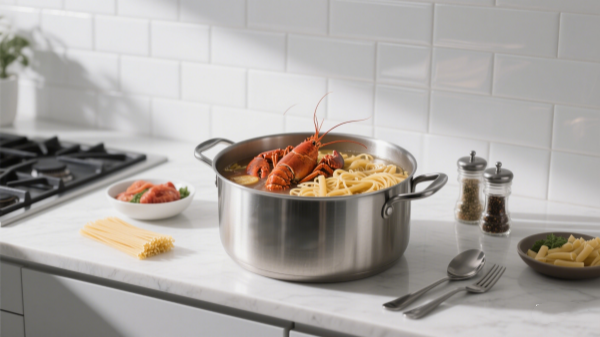
Professional chefs and home canners rely on 8‑quart stockpots for consistent heat distribution and capacity. Whether you’re hosting a holiday dinner or stocking your freezer, this size handles larger volumes with ease, though it does require strong burners and sturdy handles to manage its weight when full.
Now that we know when to deploy each size, let’s compare their advantages and drawbacks in the next section.
4. Comparative Pros & Cons
Portability vs. Capacity
2‑quart pans heat quickly and store easily but limit batch sizes. 8‑quart pots handle large volumes but occupy more space and require strong burners.
Cleaning & Maintenance
Smaller pots often fit in the dishwasher’s top rack, while 8‑quarts may need hand‑washing due to size. Consider material: stainless steel vs. nonstick coating lifespan.
Cost & Durability
Gauge and ply count affect price: multi-ply stainless can be pricier but resists warping; thinner aluminum is cheaper but less durable.
Weight & Ergonomics
Handling a full 8‑quart pot (7.5 L) can exceed 16 lbs when filled—ensure sturdy handles and safe pour designs.
5. How to Choose the Right Size
Follow these steps:
- Assess Needs: Match pot size to household meals and recipe volumes.
- Check Storage: Ensure cabinet height and shelf depth accommodate pot height.
- Burner Fit: Align pot base diameter with your cooktop burner sizes for even heating.
- Ergonomics: Test handle grip and lid weight for comfortable handling.
Next, let’s look at key features to seek when purchasing.
6. Buying Guide & Key Features
- Clear Capacity Markings: Look for interior graduations and dual metric/imperial labels for precision.
- Construction Quality: Opt for multi-ply bonded metals or heavy-gauge stainless for heat retention and durability.
- Nonstick vs. Bare Metal: Decide if you need easy-release coatings or the sear potential of bare stainless.
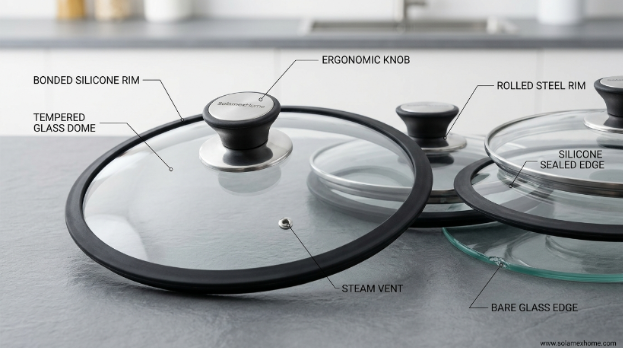
- Handles & Lids: Prefer riveted stainless handles and tight-fitting lids to minimize spillage and heat loss.
- Warranty & Reviews: Choose brands offering at least a 5-year warranty and positive feedback on size accuracy and longevity.
By applying these criteria, you’ll find cookware that fits your cooking style and kitchen space perfectly.
7. Conclusion & Engagement
From decoding quart measurements to picturing 2‑, 4‑, and 8‑quart vessels, you now have the knowledge to pick the right cookware size for any recipe. Remember to balance capacity, storage, and handling needs, and use our buying guide to choose quality pieces.
What’s your go-to pot size? Share your experiences or ask questions in the comments below—let’s keep the conversation cooking!
Understanding Quart Sizes: A Comprehensive Guide to 8, 4, and 2 Quart Containers
Dishwasher Safe Cookware 2025: Ultimate Guide to Materials, Care & Future Trends