Ceramic Coated Stock Pot: The Ultimate Guide to Healthier, Smarter Cooking
Table of Contents
1. Introduction: Why Ceramic Coated Stock Pots?
For decades, traditional non-stock pots coated with PTFE (Teflon™) dominated kitchens. Yet growing health concerns around chemical leaching—especially when overheated—have fueled demand for safer alternatives. Enter ceramic coated stock pots, which leverage mineral-based nanotechnology to deliver non-stick performance without PTFE, PFOA, or heavy metals. Brands like Le Creuset now offer enamel-on-steel pots that marry vibrant aesthetics with toxin-free cooking surfaces, while innovators like Neoflam use Ecolon® ceramic coatings to achieve "superior nonstick performance" and thermal shock resistance.
These pots aren’t just safer—they’re versatile workhorses. From boiling pasta and simmering soups to braising meats and steaming vegetables, a quality ceramic stock pot handles high-heat tasks while resisting stains, odors, and corrosion. Let’s explore why this cookware is revolutionizing modern kitchens.
2. Core Benefits: Health, Performance & Value
→ Health & Safety First
Unlike PTFE-based coatings that release toxic fumes when overheated (>500°F), ceramic coatings are inert. Le Creuset’s porcelain enamel, for example, is non-reactive and nonporous, preventing interaction with acidic foods like tomatoes or wine. Neoflam’s Ecolon® further avoids PFAS ("forever chemicals") entirely—a critical advantage for health-conscious cooks.
→ Unmatched Cooking Performance
Ceramic excels in three key areas:
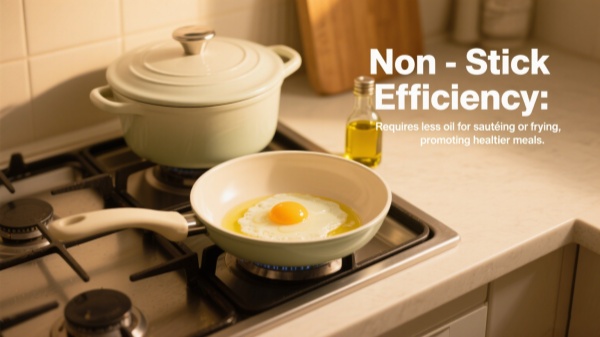
- Non-Stick Efficiency: Requires less oil for sautéing or frying, promoting healthier meals.
- Heat Distribution: Steel or aluminum cores ensure rapid boiling, while ceramic layers prevent hotspots.
- Thermal Resilience: Withstands temperatures up to 450°F (Le Creuset) or higher, making them oven-safe.
→ Long-Term Durability & Cost Savings
While traditional non-stick pots degrade within 1–2 years, ceramic coatings last 2–3 years with proper care. Brands like GreenLife even offer dishwasher-safe models, reducing maintenance effort. Though pricier upfront, their longevity and energy efficiency (e.g., faster boiling) offset costs over time.
3. The Science Behind Ceramic Coatings
Ceramic coatings aren’t "ceramic" in the traditional sense. Instead, they’re liquid polymers infused with nanoparticles (e.g., silicon dioxide or titanium dioxide) that chemically bond to metal substrates. This fusion creates a shield with unique properties:
| Property | How It Works | Real-World Benefit |
|---|---|---|
| Hydrophobicity | Molecular structure repels water and oils | Food slides off easily; cleanup takes seconds |
| Thermal Stability | Withstands temperatures up to 980°C (1,800°F) | Safe for stovetop-to-oven cooking |
| Low Surface Energy | Reduces friction between food and surface | Truly non-stick without chemical additives |
Advanced formulas like Cerakote® even incorporate self-healing polymers to repair minor scratches—though this tech is still emerging for cookware.
4. Buying Guide: How to Choose the Best Pot
Not all ceramic pots are equal. Use this checklist to avoid low-quality imitations:
→ Certifications & Safety
- Look for PFAS/PFOA-free declarations (e.g., Neoflam).
- Verify food safety standards: FDA (U.S.) or LFGB (EU).
→ Material & Design
- Base Metal: Aluminum offers lightweight affordability; stainless steel ensures durability.
- Coating Thickness: Thicker layers resist chipping. Le Creuset uses "triple-layer enamel".
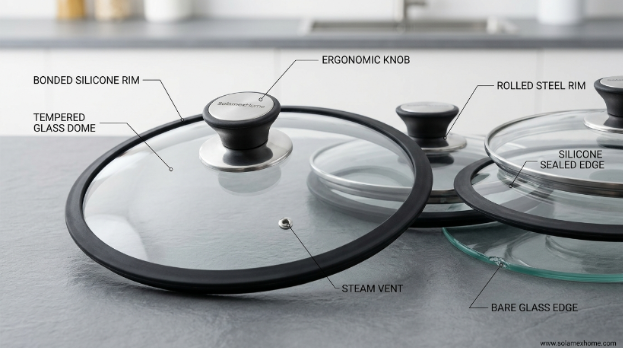
- Handles & Lids: Heat-resistant knobs prevent burns.
→ Capacity Recommendations
| Household Size | Ideal Capacity | Best For |
|---|---|---|
| 1–2 people | 4 quarts | Soups, grains, small batches |
| 3–5 people | 8 quarts | Pasta, stews, boiling corn |
| 6+ people | 12+ quarts | Canning, large roasts, parties |
Pro Tip: Brands like GreenLife and HexClad offer tempered glass lids—great for monitoring food without releasing steam.
5. Care & Maintenance: Extend Your Pot's Lifespan
Ceramic coatings resist wear but aren’t indestructible. Follow these rules:
- Cleaning: Use soft sponges—never steel wool. Dishwasher-safe only if specified.
- Storage: Stack pots with soft liners (e.g., felt pads) to prevent scratches.
- Damage Control: If coating chips, stop using it immediately. Exposed metal can leach into food.
For stubborn residues, boil water with baking soda for 10 minutes, then gently scrub.
6. Future Trends: What's Next for Ceramic Tech?
Innovations are accelerating:
- Self-Healing Coatings: Polymers that "fill" minor scratches when heated.
- Smart Temperature Sensors: Thermochromic pigments that change color at high heat to prevent scorching.
- Eco-Designs: Brands like Neoflam already use recycled aluminum bases.
As R&D continues, expect longer lifespans (5+ years) and enhanced non-stick performance—making ceramic the future of worry-free cooking.
Stock Pot Sizes Guide: From Solo Cooking to Commercial Kitchens (2qt–20qt)
Ceramic Coated Stock Pot: Non-Toxic, Non-Stick & Durable Guide 2025