Cooking with Aluminum Cookware: Expert Tips for Safety, Efficiency & Sustainability
Introduction: The Double-Edged Allure of Aluminum Cookware
Aluminum cookware has long been a staple in kitchens worldwide, celebrated for its lightweight design, superior heat conductivity, and affordability. However, concerns about aluminum leaching and environmental impact have sparked debates. This article explores how to harness aluminum’s benefits while addressing these challenges, offering practical insights for safe and efficient cooking.
Key Takeaway
Aluminum cookware’s popularity stems from its performance, but understanding its limitations is crucial for responsible use.
Core Advantages: Why Aluminum Remains a Favorite
2.1 Unmatched Heat Distribution
Aluminum’s thermal conductivity is second only to copper, allowing it to heat 15 times faster than stainless steel. This makes it ideal for tasks like stir-frying, searing, and baking, where precise temperature control is vital. For example, an aluminum skillet ensures even browning of pancakes or crispy stir-fried vegetables.
2.2 Lightweight and Cost-Effective
Weighing one-third less than stainless steel, aluminum cookware is easy to handle, especially for those with limited strength. Its affordability makes it accessible to home cooks and professional chefs alike, with prices often 30–50% lower than premium materials like cast iron or copper.
2.3 Versatile Design Innovations
Modern aluminum cookware features anodized coatings (hardened surfaces for durability) and PFOA-free nonstick layers cast aluminum (for easy cleaning). Brands like Sur La Table offer hybrid designs, such as aluminum cores with stainless steel exteriors, compatible with induction cooktops.
While these benefits are undeniable, it’s essential to address the health concerns that surround aluminum cookware.
Health Controversies: Debunking Myths and Mitigating Risks
3.1 Aluminum Leaching: Fact vs. Fiction
Wondering is aluminum cookware safe? Aluminum can leach into food when exposed to acidic ingredients (e.g., tomatoes, vinegar) or high heat. However, studies by the FDA and EFSA confirm that normal usage results in minimal leaching, far below safety thresholds. For instance, cooking a tomato-based sauce in an aluminum pan for 30 minutes releases <0.5 mg/kg of aluminum, well within acceptable limits.
3.2 Health Risks: Separating Science from Speculation
Early studies linking aluminum to Alzheimer’s disease have been largely discredited, as no direct causal relationship has been proven. However, long-term exposure to high aluminum levels may affect kidney function. To minimize risk:
- Avoid cooking acidic foods in uncoated aluminum pans.
- Replace scratched or damaged cookware promptly.
3.3 Regulatory Safeguards
The EU mandates strict testing for aluminum cookware, including heavy metal migration limits (e.g., lead ≤0.1 mg/L by 2025). Look for products certified to EN 12983 standards, ensuring compliance with safety and performance criteria.
With a clear understanding of risks, let’s explore how to use aluminum cookware safely and effectively.
Proper Usage and Maintenance: Extending Lifespan
4.1 Heat Management
- Use medium to low heat to prevent warping or excessive leaching.
- Avoid empty heating, as temperatures above 200°C can damage coatings.
4.2 Cleaning and Care
- Hand-wash with mild soap and a soft sponge to protect nonstick layers.
- Avoid metal utensils to prevent scratches.
- For anodized aluminum, occasional cleaning with lemon juice or baking soda removes stubborn stains.
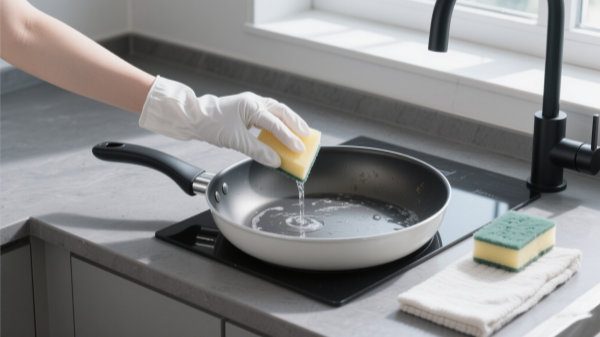
4.3 Pre-Seasoning and Replacement
New aluminum pans may benefit from pre-seasoning - here’s how to season aluminum pans (e.g., coating with oil and heating) to enhance durability. Replace cookware if oxidation, pitting, or coating peeling occurs, typically after 3–5 years of regular use.
Equipped with these tips, you’re ready to choose the right aluminum cookware for your needs.
Buying Guide: Choosing the Right Aluminum Cookware
5.1 Material Types
| Type | Advantages | Considerations |
|---|---|---|
| Anodized Aluminum | Hard, scratch-resistant, ideal for frying and baking. | Not induction-compatible; avoid acidic foods in uncoated pans. |
| Cast Aluminum Nonstick-Coated | Easy to clean; suitable for delicate dishes (e.g., eggs, fish). | Avoid high heat; replace when coating wears off. |
| Stainless Steel-Clad | Combines aluminum’s conductivity with stainless steel’s durability. | Compatible with induction; more expensive. |
5.2 Key Features to Prioritize
- Thickness: Opt for 3–5 mm aluminum cores for even heating.
- Handles: Look for ergonomic, heat-resistant designs (e.g., silicone or stainless steel).
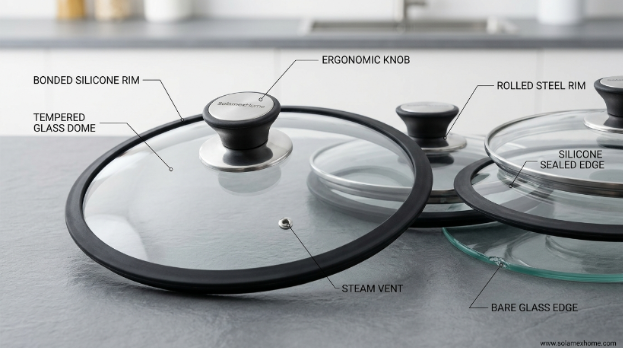
- Lids: Tight-fitting lids retain moisture, ideal for stews and soups.
5.3 Recommended Brands
- Sur La Table: Offers ceramic-coated aluminum pans with Sapphire-reinforced Infinity Slide technology, 16x more durable than standard nonstick.
- Martha Stewart: Known for PFA-free ceramic interiors and elegant designs, suitable for both stovetop and oven use.
- Anolon: Budget-friendly hard-anodized cookware with DuraGuard nonstick coating.
To contextualize aluminum’s role, let’s compare it with other popular cookware materials.
Material Comparison: Aluminum vs. Other Options
6.1 Aluminum vs. Stainless Steel
- Aluminum: Faster heating, lighter, but prone to scratches.
- Stainless Steel: Durable, non-reactive, but slower to heat.
Best Use: Aluminum for quick cooking; stainless steel for long-term durability.
6.2 Aluminum vs. Cast Iron
- Aluminum: Lightweight, energy-efficient, but not suitable for high-heat searing.
- Cast Iron: Retains heat well, ideal for baking and frying, but heavy and requires seasoning.
Best Use: Aluminum for everyday meals; cast iron for rustic dishes like cornbread or skillet roasts.
6.3 Aluminum vs. Nonstick
- Aluminum-Based Nonstick: Affordable, but coating lifespan is limited (2–5 years).
- Ceramic Nonstick: Eco-friendly, but less durable than traditional nonstick.
Best Use: Aluminum nonstick for versatility; ceramic for health-conscious users.
Beyond performance, environmental impact is a critical consideration.
Sustainability and Environmental Impact
7.1 Production and Recycling
Aluminum production is energy-intensive, but 95% of aluminum can be recycled with only 5% of the energy required for virgin production. Innovations like hydrogen-powered recycling furnaces (e.g., Norsk Hydro’s technology) are reducing carbon footprints.
7.2 Disposal and Reuse
- Recycle: Remove coatings before recycling aluminum cookware.
- Repurpose: Donate intact cookware or use it for non-food applications (e.g., gardening).
- Choose Recycled: Brands like Nolte and Ecopots offer cookware made from post-consumer recycled aluminum.
Now, let’s explore how to maximize aluminum cookware’s potential in the kitchen.
Cooking Techniques and Recipe Ideas
8.1 Quick Cooking
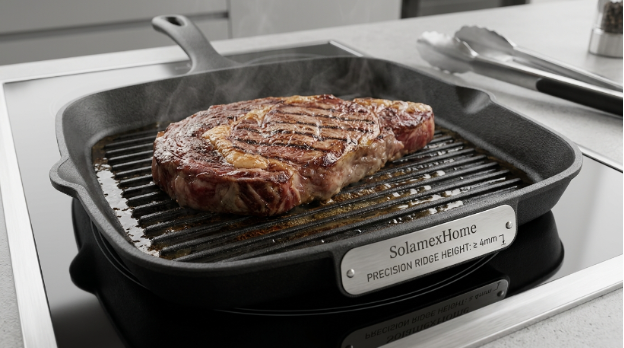
- Searing Meat: Use a preheated aluminum skillet to lock in juices.
- Stir-Frying: Aluminum’s rapid heat transfer ensures vibrant, crisp vegetables.
8.2 Baking
- Cakes and Cookies: Aluminum baking sheets promote even browning.
- Roasting: Try a honey-glazed salmon or roasted vegetables for caramelized edges.
8.3 Acidic Foods
- Short Cooking Times: Use a coated aluminum pan for tomato sauces, then transfer to another container for storage.
- Marinating: Opt for glass or stainless steel containers to avoid aluminum interaction.
8.4 Slow Cooking
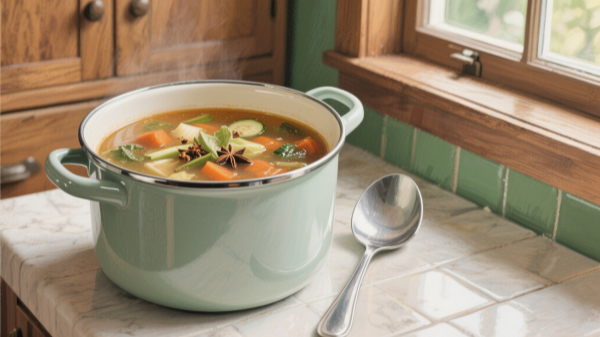
- Stews and Curries: Aluminum pots with tight lids retain moisture, perfect for beef bourguignon or Thai green curry.
By integrating these techniques, you can unlock aluminum’s full culinary potential.
Conclusion: Informed Choices for Modern Cooking
Aluminum cookware offers unmatched performance and affordability, provided it’s used and maintained correctly. By prioritizing coated or anodized designs, avoiding acidic foods in unprotected pans, and embracing sustainable practices, you can enjoy its benefits while minimizing risks.
Final Recommendations
- Daily Use: Choose nonstick-coated aluminum for versatility.
- Specialty Cooking: Opt for anodized aluminum or stainless-steel clad for durability.
- Health-Conscious Users: Limit acidic cooking and replace worn cookware promptly.
For further exploration, here are authoritative resources to deepen your knowledge.
Further Reading and Resources
- FDA Statement: Aluminum in Food and Dietary Supplements
- EFSA Report: Safety of Aluminum Intake
- Sustainability Initiatives: Aluminum Association’s Recycling Guide
Final Note: Aluminum cookware’s legacy endures because it balances practicality and performance. With mindfulness and proper care, it can be a sustainable, efficient addition to any kitchen.
Cooking with Aluminum Cookware Demystified: Smart Choices for Safety, Efficiency & Flavor
Aluminum vs Stainless Steel Cookware: Heat, Durability & Safety Compared