Frying Pan Sizes: How to Choose and Measure the Perfect Pan
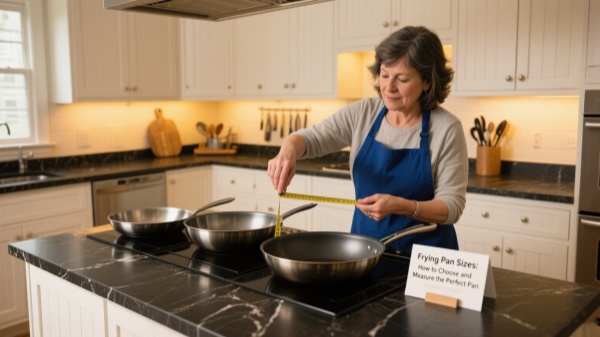
Choosing the right frying pan size is more than a matter of kitchen aesthetics—it directly influences how evenly heat is distributed, how much food you can cook in a single batch, and even how easy it is to maneuver ingredients. But before you compare materials or brands, there’s one foundational skill you need: how to measure frying pan size accurately. In this guide, you’ll learn why measurement matters, what standard sizes are available, and how to apply this knowledge to select a pan that fits both your stove and your cooking style.
Quick Overview: Why Pan Size Matters
Pan size affects three key aspects of cooking: heat management, capacity, and handling. A pan that’s too small can lead to overcrowding, resulting in steaming rather than searing. Conversely, a pan that’s too large may take longer to heat and require more fuel, wasting energy. Accurate sizing also ensures that your pan sits flush on your burner, preventing hotspots that cause uneven cooking. By mastering measurement first, you set yourself up for consistent, delicious results every time you step into the kitchen.
What Are the Standard Frying Pan Sizes?
Frying pans are typically offered in these four size ranges, measured by their top inner diameter:
- Small (8–9.5 inch): Perfect for single-serving tasks like frying an egg, toasting spices, or heating small sides. Their compact footprint also makes them ideal for tiny kitchens and portable stoves.
- Medium (10–11 inch): The workhorse of many home kitchens. These pans balance enough surface area for sautéing vegetables for two or pan-frying a couple of chicken breasts, without being too bulky or heavy.
- Large (12–13 inch): Preferred by families and home chefs who regularly cook for 3–5 people. Their ample surface allows you to spread ingredients out, reducing crowding and promoting even browning.
- Extra Large (14 inch+): Found in professional and catering settings. These pans can handle generous batches—think large stir-fries, paellas, or one-pot meals. However, they require more storage space and stronger hands to lift.
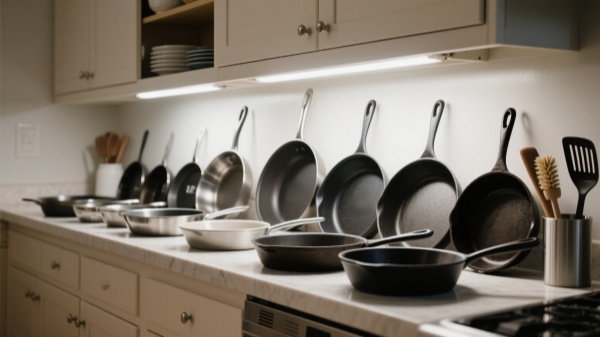
Knowing these size categories helps frame your options. Next, you’ll learn how to measure precisely to confirm which range your current or prospective pan falls into.
How to Measure Frying Pan Size
Accurate measurement is the cornerstone of selecting a pan that meets your needs. Follow these detailed steps to avoid common pitfalls:
- Top Inner Diameter: Place a rigid ruler or a metal tape measure across the inner lip, edge to edge, through the exact center point. Record the measurement to the nearest quarter-inch.
- Bottom Diameter (Optional but Helpful): Flip the pan and measure its flat base. Most pans taper inward—expect this diameter to be roughly ½–1 inch smaller than the top. This figure informs how well your pan will contact the burner.
- Depth & Effective Area: Measure from the bottom interior surface to the rim. Multiply the diameter by the depth to estimate cooking volume; useful when assessing capacity for sauces or deep-frying.
- Tools & Technique: Always use a straight edge or metal tape for minimal flex. Hold the tool level and ensure it crosses the geometric center. If your tape has a hook, lock it firmly on the rim’s edge.
By avoiding mistakes like measuring across handles or outside rims, you’ll have confidence that the size printed on the box matches real-life use.

How Do Different Sizes Perform?
Once you know a pan’s exact dimensions, you can predict how it will behave on your stovetop:
- Heat-Up Time: Smaller pans reach target temperature in seconds, making them excellent for quick tasks. Larger pans—while slightly slower—maintain stable heat longer, ideal for multi-step recipes.
- Evenness of Heat: A pan that matches your burner size prevents cool spots around the edges. If your 12 inch pan sits on a small 6 inch burner, the outer edge will stay cooler.
- Handling & Ergonomics: Wider, heavier pans can strain wrists when tossing ingredients. Conversely, tiny pans limit the amount you can cook without spilling.
- Oil Distribution & Browning: Overcrowding food in too-small a pan leads to excess moisture and uneven browning. Proper pan area ensures every piece has enough room to crisp up.
Understanding these performance traits helps you match pan size to cooking technique—searing, stir-frying, braising—and to the power of your burners.
Which Size Should I Choose?
Your ideal pan size depends on household size, cooking frequency, and personal preferences. Here’s a straightforward guide:
- Singles or Couples (8–9.5 inch): Easy to clean and perfect for quick breakfasts, sautéed veggies, or personal pizzas. Fits on any burner.
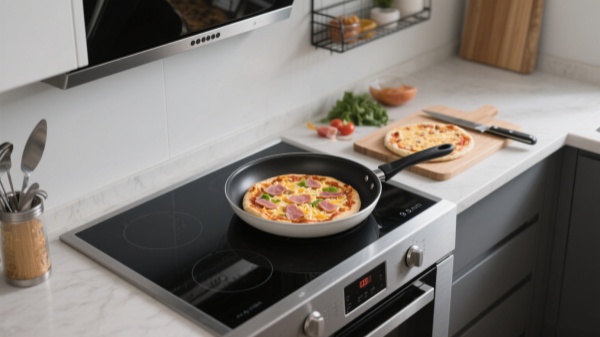
- Small Families (10–11 inch): Offers enough room for typical family meals—stir-fries, omelettes, pan-roasted vegetables—without wasting fuel or space.
- Large Families & Entertaining (12 inch+): Accommodates batch cooking, from pancake stacks to one-skillet dinners. Requires sturdy handles and sufficient storage room.
- Professional Chefs: Maintain a set of 8, 10, 12, and 14 inch pans. Measure each to confirm fit on your various burners and to ensure consistent performance across recipes.
Whatever your scenario, start by measuring what you have or what you plan to buy—then match that to your cooking goals.
Maintenance & Care: Keeping Measurements Accurate
Over time, high heat and improper cleaning can warp a pan, altering its shape and effective diameter. To preserve accuracy:
- Periodic Re‑Measurement: After heavy use or intense cleaning cycles, re-check both top and bottom diameters to detect warping early.
- Avoid Abrasives: Skip metal scouring pads or dishwasher cycles on delicate materials. Excessive abrasion can shave millimeters off rims.
- Proper Storage: Stack pans with protective liners or hang them by handles. Prevent rim dents that skew future measurements.
By integrating measuring checks into your maintenance routine, you’ll ensure every recipe performs as expected.
People Also Ask (FAQ)
- How do you measure frying pan size?
- Measure the inner top diameter across the center with a rigid ruler or tape measure, then note any difference at the bottom for burner compatibility.
- My pan is labeled 12 inch—how many servings can it hold?
- A 12‑inch pan typically serves 4–6 portions, depending on ingredient density and cooking method. Overcrowding reduces browning quality.
- What is the normal difference between bottom and top diameter?
- Most pans taper inward by ½–1 inch from top to bottom, ensuring a snug fit on standard burners.
Key Takeaway
Mastering how to measure frying pan size is the single most important step in choosing cookware that delivers reliable heating, optimal capacity, and user comfort. From an 8 inch skillet for solo breakfasts to a 14 inch pan for crowd‑pleasing feasts, precise measurement ensures your pan works as intended—batch after batch, meal after meal.
Is HexClad Cookware Non Toxic: A Complete Guide to Materials, Safety, Performance, and Care
How to Measure Frying Pan Size: A Complete Guide to Diameter, Depth, and Perfect Fit