How to Measure Frying Pan Size: A Complete Guide to Diameter, Depth, and Perfect Fit
Why Accurate Frying Pan Measurement Matters
Knowing how to measure a frying pan correctly is essential for buying the right size and mastering your recipes. Whether you're comparing two pans online or checking a vintage find, precise measurements prevent common issues like overflowing sauces, uneven heating, or a pan that's too big for your stovetop. This guide breaks down the essential steps to measure diameter, depth, and capacity, so you can choose a pan that fits both your stovetop and cooking needs.
Step-by-Step: Measuring Frying Pan Diameter
The Core Measurement: Diameter in Inches
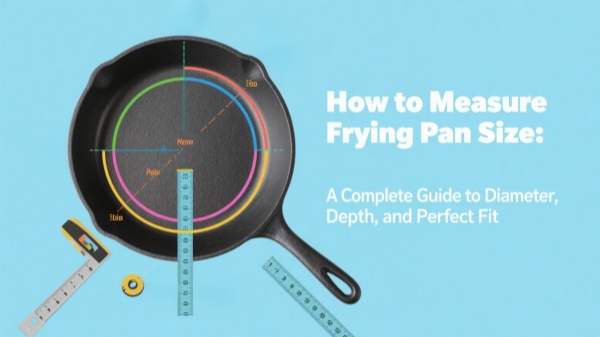
Measuring the diameter is the first step to understanding a frying pan's size. Here's how to do it accurately:
Tools You'll Need
- Tape measure or ruler
- Flat surface (countertop or table)
Measurement Steps
- Place the pan upside down on a flat surface.
- Measure from the outer edge of the rim on one side to the opposite outer edge—this is the outer diameter (e.g., 10 inches).
- For non-stick pans, also measure the inner diameter from the inner edge of the non-stick coating to know the actual cooking space (often 0.5–1 inch smaller than outer diameter).

Visual Reference: A 10-inch pan with an outer diameter typically has an inner cooking diameter of 9.5 inches. This difference matters for fitting larger ingredients like whole fish or steak.
Measuring Pan Depth and Capacity
Depth: The Forgotten Dimension
Depth affects how much food you can cook and how well it fries or simmers:
- Use a ruler to measure from the base of the pan to the top of the rim.
- Ideal depth for frying is 2–3 inches: shallow pans (2 inches) are best for frying and searing, while deep pans (3+ inches) work better for sauces and stews to prevent splattering.
Estimating Capacity in Cups/Quarts
Capacity is key for following recipes. Here's a simple way to measure it:
- Fill the pan with water using a measuring cup (1 cup = 8 fl oz, 4 cups = 1 quart).
- Example: A 10-inch pan with 2.5-inch depth holds ~4–5 cups (1–1.25 quarts), enough for 4–5 servings.
Matching Measurements to Your Cooking Needs
| Measured Diameter (Inches) | Ideal for | Serving Size |
|---|---|---|
| 6–7 | Single servings | 1 person (eggs, small pancakes) |
| 8–9 | Couple meals | 2–3 people (omelets, small stir-fries) |
| 10–12 | Family dinners | 4–6 people (steak, large frittatas) |
| 14+ | Commercial use | 8+ people (batch cooking) |
Practical Scenarios for Size Selection
Home Kitchens
Measure your stovetop burners first: Pan diameter should be 1–2 inches smaller than the burner. For example, a 10-inch burner works best with an 8–9-inch pan to ensure even heat distribution.
Camping
Opt for 7–8-inch pans (inner diameter 6.5–7.5 inches) to fit portable stoves while providing enough cooking space for camping meals like bacon and eggs.
Holiday Cooking
A 12-inch pan is ideal for holiday meals—it can fit a 3–4 lb roast or a large batch of stir-fry to serve 6–8 guests without overcrowding.
Common Questions About Measuring Frying Pans
A: Most brands label pans by outer diameter, but the inner diameter is more important for cooking. Always check product specifications for inner dimensions when buying online to know the actual cooking surface.
A: To avoid scratching non-stick coatings, use a string to mark the inner rim of the pan, then measure the length of the string. This method keeps the ruler from directly contacting the non-stick surface.
A: Yes, a 12-inch pan works well on standard stovetops if your burner is 13–14 inches. However, avoid 14-inch pans on home stoves, as they may heat unevenly due to the burner size.
A: Rim design varies between brands—some pans have flared rims that make them appear larger, but the actual cooking surface may be smaller. Always measure the inner diameter for an accurate comparison between models.
Common Measurement Mistakes and How to Avoid Them
Mistake 1: Forgetting to Measure Inner Diameter
Fix: Outer diameter tells you the pan's overall size, but inner diameter determines the usable cooking space. This is crucial for fitting large ingredients like a whole chicken breast or fish fillet without overcrowding.
Mistake 2: Ignoring Pan Depth When Buying
Fix: Two pans with the same diameter can have different capacities based on depth. A 10-inch pan with 2-inch depth holds less than a 10-inch pan with 3-inch depth. Check both diameter and depth for recipes that need more volume, like soups or stews.
Mistake 3: Including the Handle in Diameter Measurement
Fix: The handle isn't part of the diameter! Only measure the circular pan body from one side of the rim to the opposite side. Including the handle leads to an inaccurate measurement.
Conclusion: Measure First, Cook with Confidence
Accurate measurement starts with understanding the outer and inner diameter, followed by depth and capacity. By using these measurements, you can pick a pan that fits your stovetop, serving needs, and cooking style—eliminating guesswork and ensuring better cooking results every time.
Now that you know how to measure frying pan size, explore our guide on stock pot sizes to master measurements for every type of cookware in your kitchen.
Frying Pan Sizes: How to Choose and Measure the Perfect Pan
Frying Pan Size Measurement Guide: Mastering the Inch-Based System