Mastering Aluminium Wok Cooking: Safety, Techniques & Maintenance Guide
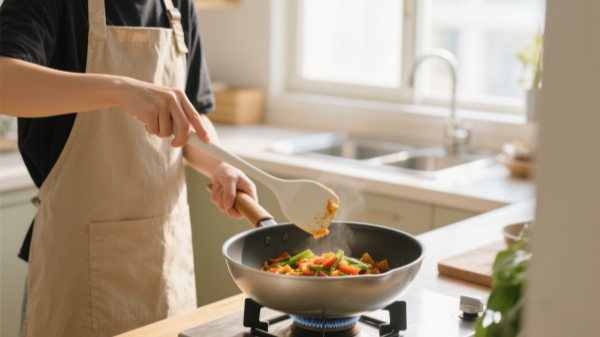
Table of Contents
1. Introduction
Aluminum woks have revolutionized modern cooking, blending the rich heritage of Asian culinary traditions with the demands of Western kitchens. Their lightweight design, superior heat conductivity, and versatility make them a staple for stir-frying, searing, and even baking. In this comprehensive guide, we’ll explore the ins and outs of aluminum woks to help you make informed decisions for your kitchen.
2. Core Features of Aluminum Woks
2.1 Material & Construction
Aluminum woks are typically made from anodized aluminum, a process that creates a durable, non-reactive surface through electrochemical treatment. This coating resists corrosion and scratches, making it ideal for high-heat cooking. Some models feature ceramic or PTFE (Teflon) coatings for enhanced non-stick properties, though these require gentle handling to avoid damage. Design-wise, woks come in round-bottom (traditional, ideal for gas stoves) and flat-bottom (suitable for electric and induction cooktops) variations.
2.2 Performance Advantages
Aluminum’s excellent heat conductivity (237 W/m·K) allows woks to heat up rapidly—3x faster than stainless steel—and distribute heat evenly, minimizing "hot spots". This makes them perfect for achieving the wok hei (breath of the wok) in stir-fries, where high heat caramelizes ingredients quickly. The lightweight nature of aluminum also ensures easy maneuverability, whether you’re a professional chef or a home cook.
3. Aluminum Wok vs. Skillet: Key Differences
| Feature | Aluminum Wok | Skillet |
|---|---|---|
| Design | Round or flat bottom with sloped sides | Flat bottom with slightly flared sides |
| Heat Distribution | Concentrated heat at the center for quick cooking | Even heat distribution for slow-cooking and baking |
| Primary Use | Stir-frying, steaming, deep-frying | Searing meats, baking, slow-cooking |
| Material | Anodized aluminum, ceramic coating cast aluminum, or PTFE-coated | Cast iron, stainless steel, or enameled |
| Weight | Lightweight for easy tossing | Heavier, especially cast iron variants |
While both tools excel in their domains, woks shine in high-heat, fast-paced cooking, whereas skillets are better suited for oven use and longer cooking times. For example, a wok’s rounded bottom allows liquids to pool centrally, ideal for stir-frying, while a skillet’s flat surface ensures even browning of meats.
4. Applications of Aluminum Woks
4.1 Traditional Stir-Frying
Master the art of stir-frying by preheating your wok until it’s smoking hot, then adding oil and ingredients in quick succession. The high heat and quick cooking time preserve nutrients and create a distinct charred flavor known as wok hei.
4.2 Modern Adaptations
Many aluminum woks are oven-safe, allowing you to transition from stovetop to oven for roasting or baking. Their portability also makes them a favorite for outdoor cooking, whether camping or hosting a backyard barbecue.
5. Maintenance & Care
5.1 Cleaning Guidelines
Always hand-wash your aluminum wok with mild dish soap and a soft sponge. Avoid dishwashers, as harsh detergents and high heat can damage coatings and accelerate oxidation. For stubborn stains on anodized or ceramic-coated pans, use a non-abrasive scrub pad—never steel wool or metal scrapers, which can scratch the surface.
5.2 Coating Preservation
Use wooden or silicone utensils to prevent scratching non-stick coatings. Avoid heating an empty pan, as this can degrade the anodized layer or release toxic fumes from PTFE coatings above 500°F. For uncoated aluminum woks, season the pan with oil to prevent food from sticking.
5.3 Long-Term Storage
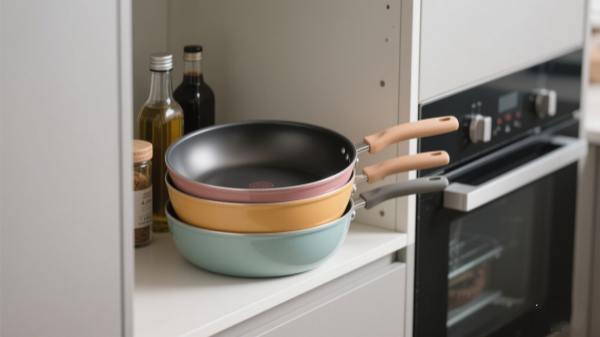
Store your wok in a dry place to prevent rust. If stacking, place a paper towel between pans to avoid scratches.
6. Disadvantages of Aluminum Woks
6.1 Heat Sensitivity
While aluminum’s rapid heating is a boon for stir-frying, it requires precise temperature control. Overheating can lead to scorched food or coating degradation. Additionally, aluminum woks are not ideal for slow-cooking or simmering, as they lose heat quickly.
6.2 Compatibility Issues
Round-bottom woks struggle on electric stoves due to poor heat transfer. Flat-bottom variants improve performance but may not replicate the traditional cooking experience. Aluminum also reacts with acidic foods like tomatoes, which can cause a metallic taste and accelerate leaching in uncoated pans.
6.3 Durability Concerns
Soft aluminum surfaces are prone to scratches and dents. While anodized coatings enhance durability, they can wear down over time, especially with heavy use. Ceramic and PTFE coatings, though convenient, degrade faster than uncoated aluminum.
7. Safety & Health Considerations
7.1 Aluminum Leaching Risks
Well-maintained anodized or coated aluminum woks pose minimal health risks, as the protective layer prevents aluminum from leaching into food. However, damaged pans or prolonged cooking of acidic foods can increase aluminum migration. The FDA and CDC consider trace amounts of aluminum safe, but it’s wise to replace worn-out cookware.
7.2 High-Temperature Safety
PTFE-coated woks are safe below 500°F, but exceeding this temperature can release toxic fumes. Ceramic coatings, while more heat-resistant, still require caution to avoid cracking.
7.3 Special Considerations
For pregnant individuals or those with kidney issues, consult a healthcare professional about aluminum exposure. Opting for anodized or ceramic-coated woks can mitigate risks.
8. Choosing the Right Aluminum Wok
8.1 Key Buying Factors
- Size: 30cm is ideal for 3–4 people.
- Bottom Thickness: 4.5mm or more for induction compatibility.
- Handle Design: Look for ergonomic, heat-resistant handles.
8.2 Recommended Brands
Budget Pick: Winco Aluminum Wok—affordable and durable for everyday use.
Premium Choice: Circulon Anodized Collection—professional-grade with superior heat distribution.
Modern Design: Amercook Ceramic-Coated Wok—stylish and non-toxic.
Solamex: a leading global supplier of wholesale aluminum woks and cookware, caters to restaurants, hotels, and bulk buyers with customizable solutions and bulk pricing. Their products are crafted from high-grade aluminum for superior heat conductivity and come with ISO-certified quality control to ensure consistent performance across large orders.
8.3 Avoiding Pitfalls
Steer clear of cheaply made woks with thin coatings, as they’re prone to peeling. Verify "induction compatibility" claims—true compatibility requires a ferromagnetic base.
9. Conclusion
Aluminum woks offer unparalleled speed, versatility, and affordability for modern kitchens. While they have limitations—such as sensitivity to acidic foods and the need for careful maintenance—their performance in high-heat cooking is unmatched. By choosing the right wok, using it properly, and maintaining it well, you can enjoy the benefits of this culinary workhorse for years to come.
10. FAQs
Q: Can I use an aluminum wok on an induction stove?
A: Yes, but only if it has a flat, ferromagnetic base. Look for "induction compatible" models or test with a magnet.
Q: How long do aluminum woks last?
A: With proper care, coated woks last 2–5 years, while uncoated anodized woks can endure longer.
The Aluminum Wok Advantage – Lightweight, Lightning-Fast & Budget-Friendly Stir-Fry Secrets
Cooking with Aluminum Cookware Demystified: Smart Choices for Safety, Efficiency & Flavor