Understanding Quart Sizes: A Comprehensive Guide to 8, 4, and 2 Quart Containers
Introduction: Decoding Quart Sizes for Kitchen Mastery
Quart measurements are the backbone of kitchen efficiency, but their practical implications often go misunderstood. Whether you’re a home cook scaling recipes or a professional chef managing large batches, knowing how big 8 quarts, 4 quarts, and 2 quarts truly are is essential for selecting the right tools, avoiding waste, and ensuring consistent results. This guide breaks down the physical dimensions, real-world applications, and material considerations for each quart size, empowering you to make informed choices that align with your cooking habits and lifestyle.
For instance, an 8-quart stock pot can hold 4–5 whole chickens, while a 2-quart baking dish is ideal for lasagna or brownies. By understanding these distinctions, you’ll streamline meal prep, reduce kitchen clutter, and elevate your culinary outcomes.
8 Quarts: The Powerhouse for Large-Scale Cooking and Batch Prep
Volume and Dimensions
Volume: 8 quarts = 32 cups = 7.57 liters.
Physical Size: A standard 8-quart stock pot (e.g., Nordic Ware) measures 9.8 inches in diameter and 6.5 inches tall, with a weight of 2.9 lbs. Instant Pot’s 8-quart model (Ultra 10-in-1) has exterior dimensions of 14.88 x 13.90 x 10.39 inches, making it suitable for 6+ people.
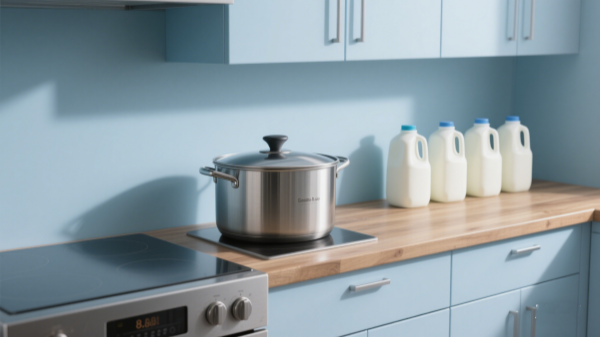
Real-World Comparisons: Imagine four 1-gallon milk jugs or a large cooler half-filled with water.
Ideal Recipes and Appliance Fit
Batch Cooking: Perfect for soups, chili, or pasta dishes yielding 8–12 servings.
Slow Cooking: The Instant Pot 8-quart handles whole chickens and large roasts, ideal for meal prepping. For example, a whole 6 lb chicken fits comfortably, with room for vegetables.
Braising and Stewing: Le Creuset’s 8-quart enameled cast iron Dutch oven (12.2” x 9.4” x 4.6”) retains heat superbly for long-cooking recipes like beef bourguignon.
Material Impact
Stainless Steel: Durable for high-heat cooking but may require extra scrubbing. Brands like All-Clad offer stainless steel 8-quart stock pots with encapsulated aluminum bases for even heat distribution.
Enameled Cast Iron: Heavy but excellent for even heat distribution; avoid harsh detergents. Le Creuset’s enameled cast iron Dutch ovens are renowned for their heat retention and rust resistance.
4 Quarts: The Versatile Middle Ground for Family Meals
Volume and Dimensions
Volume: 4 quarts = 16 cups = 3.79 liters.
Physical Size: A Crock-Pot 4-quart slow cooker measures 14” x 11” x 10.4”, feeding 4–6 people.
Real-World Comparisons: Visualize two 2-liter soda bottles or a medium-sized mixing bowl.
Practical Applications
Family Dinners: Chili, stews, or casseroles for 4–6. A 4-quart Dutch oven can easily cook a 3 lb roast with potatoes and carrots.
Sous Vide: Compatible with immersion circulators for precise temperature control. For example, a 4-quart pot is ideal for cooking salmon or ribs to perfection.
Automotive Uses: A full oil change for cars requiring 4 quarts of oil.
Material Considerations
Hard-Anodized Aluminum: Heats quickly but avoid acidic foods. Calphalon’s hard-anodized 4-quart sauté pans are popular for their durability and scratch resistance.
Ceramic-Coated Nonstick: Easy to clean but avoid metal utensils. GreenPan’s ceramic nonstick 4-quart saucepans are toxin-free and dishwasher-safe.
2 Quarts: Precision in Small Batches and Baking
Volume and Dimensions
Volume: 2 quarts = 8 cups = 1.89 liters.
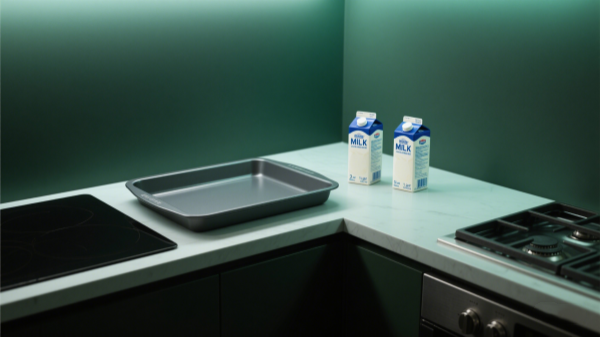
Physical Size: A Pyrex 2-quart oblong baking dish measures 11” x 7” x 1.5”, holding 65 fluid ounces. Square alternatives (8” x 8” x 2”) or round dishes (9” diameter) are also common.
Real-World Comparisons: Think of a large mixing bowl or two 1-quart milk cartons.
Baking and Side Dish Solutions
Casseroles and Lasagna: Perfect for 2–4 servings. A 2-quart dish can hold a standard lasagna recipe with layers of pasta, meat, and cheese.
Roasted Vegetables: Ideal for small batches of Brussels sprouts or potatoes. Toss 1 lb of vegetables in olive oil and roast at 400°F for 25–30 minutes.
Substitutes: Use an 11 x 7-inch pan or 9-inch square pan with minor adjustments. For example, a 9-inch square pan has a similar volume to a 2-quart dish.
Material Choices
Glass: Retains heat well but may crack under sudden temperature changes. Pyrex glass dishes are oven-safe up to 425°F and dishwasher-safe.
Ceramic: Non-reactive and oven-safe; great for baking. Emile Henry’s ceramic 2-quart dishes are praised for their even heat distribution and classic design.
Key Differences: Volume, Dimensions, and Use Cases
Visual Comparison Chart
| Size | Cups | Liters | Diameter (Stock Pot) | Ideal for |
|---|---|---|---|---|
| 8 Quarts | 32 | 7.57 | 10–12 inches | Large family meals, batch cooking |
| 4 Quarts | 16 | 3.79 | 8–10 inches | Family dinners, sous vide |
| 2 Quarts | 8 | 1.89 | 6–8 inches | Baking, side dishes, small households |
Cooking Efficiency
Heat Distribution: Larger pots (8 quarts) take longer to heat but maintain consistent temperatures. For example, bringing 8 quarts of water to a boil takes 10–12 minutes, while 2 quarts boil in 4–5 minutes.
Timing: Smaller containers (2 quarts) cook faster but require more attention. A 2-quart saucepan is ideal for delicate sauces that need constant stirring.
Choosing the Right Quart Size for Your Lifestyle
Household Size
1–2 People: 2–4 quarts suffice for most meals. A 2-quart saucepan can cook pasta for two or a small batch of soup.
3–5 People: 4–6 quarts are more practical. A 4-quart slow cooker can prepare pulled pork or chili that leftovers for lunches.
6+ People: 8+ quarts are necessary for large gatherings. An 8-quart stock pot is perfect for boiling pasta for a crowd or making a big batch of broth.
Cooking Style
Daily Use: A 4-quart saucepan or Dutch oven handles most everyday meals. It’s versatile enough for sautéing, braising, and even baking.
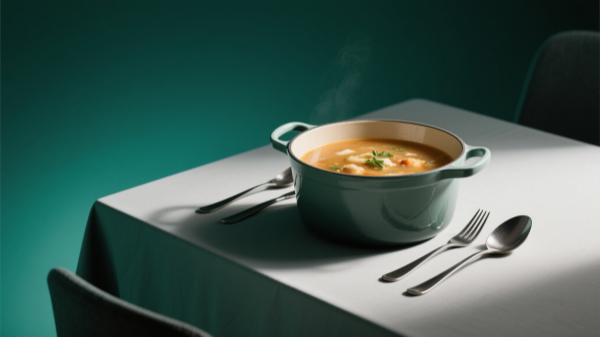
Baking Enthusiasts: A 2-quart baking dish is essential for desserts and casseroles. Use it for brownies, macaroni and cheese, or roasted vegetables.
Material and Budget
Budget-Friendly: Aluminum or nonstick options for 4-quart cookware. Calphalon’s nonstick 4-quart sauté pan is affordable and easy to clean.
Investment Grade: Stainless steel or enameled cast iron for 8-quart durability. All-Clad’s stainless steel 8-quart stock pot is a lifetime investment.
Common Myths and Misconceptions Debunked
Myth 1: Quart Sizes Are Universal Across Brands
Reality: Instant Pot’s 8-quart model has different dimensions than a stock pot; always check product specs. For example, a Lodge cast iron Dutch oven’s 8-quart size may have a wider diameter but shallower depth than a stainless steel stock pot.
Myth 2: Smaller Containers Lack Versatility
Reality: 2-quart dishes excel at baking and side dishes, while 4-quart pots handle both small and medium meals. A 2-quart saucepan can make risotto, sauce, or even a small batch of jam.
Myth 3: Larger Pots Always Cook Faster
Reality: 8-quart pots require more energy to heat and may take longer to reach desired temperatures. For instance, a 4-quart pot of soup will simmer faster than an 8-quart pot with the same amount of liquid.
Maintenance and Longevity Tips for Quart-Sized Cookware
Cleaning Techniques
Stainless Steel: Use non-abrasive sponges to avoid scratches. For stubborn stains, make a paste of baking soda and water.
Nonstick: Hand-wash to preserve coating longevity. Avoid using metal utensils or harsh detergents.
Avoiding Damage
Ceramic: Avoid sudden temperature changes to prevent cracking. Let a hot ceramic dish cool before rinsing with cold water.
Enameled Cast Iron: Dry thoroughly to prevent rust. Seasoning with oil can also help maintain its nonstick properties.
Future Trends: Smart Quart Sizes and Sustainable Innovations
Smart Cookware
Sensor Technology: Future 8-quart pressure cookers may adjust cooking times based on food volume. For example, Panasonic’s 2025 smart pressure cookers feature AI algorithms that detect ingredients and optimize cooking settings.
App-Controlled Devices: 4-quart slow cookers with Bluetooth for remote monitoring. Brands like Crock-Pot offer Wi-Fi-enabled models that let you adjust settings via a smartphone app.
Sustainable Materials
Recycled Stainless Steel: Brands like Nutrichef offer eco-friendly 8-quart stock pots made from recycled materials. These pots reduce environmental impact without compromising performance.
Biodegradable Coatings: Emerging 2-quart baking dishes with PLA-based nonstick surfaces. These coatings are safe for food and decompose naturally over time.
Modular Design
Expandable Containers: 4-quart pots with detachable extensions can convert to 8-quart capacity for flexibility. This design reduces kitchen clutter and adapts to varying cooking needs.
Conclusion: Optimizing Your Kitchen with Quart-Size Precision
Understanding how big 8 quarts, 4 quarts, and 2 quarts are is key to creating a functional, efficient kitchen. By aligning your cookware choices with your household size, cooking style, and material preferences, you can elevate your culinary experience while minimizing waste and maximizing convenience.
Ready to upgrade your kitchen? Share your favorite quart-sized recipes in the comments below!
Q&A: Your Burning Questions Answered
Q1: Can I use an 8-quart pot instead of a 4-quart?
A: Yes, but adjust cooking times and heat levels. Larger pots may require more energy and longer heating times. For example, reducing heat by 25% when using an 8-quart pot for a recipe designed for 4 quarts.
Q2: How do I convert quarts to liters?
A: Multiply quarts by 0.946. For example, 8 quarts = 7.57 liters.
Q3: Are 2-quart baking dishes oven-safe?
A: Most glass and ceramic dishes are oven-safe up to 400°F (204°C), but check manufacturer guidelines. Pyrex glass dishes are oven-safe up to 425°F.
Q4: What’s the best material for an 8-quart stock pot?
A: Stainless steel offers durability, while enameled cast iron retains heat superbly. All-Clad’s stainless steel 8-quart stock pot is a top choice for its even heating and long lifespan.
Q5: Can I use a 4-quart slow cooker for a family of 4?
A: Yes! A 4-quart slow cooker easily feeds 4–6 people and is perfect for chili or pulled pork. It’s also ideal for meal prepping, as leftovers can be stored in individual containers.
Induction Nonstick Cookware Guide Expert Tips for Selection Care and Maintenance
2, 4, 8 Quart Cookware Sizes Explained: Complete Guide & Buying Tips