What Size Dutch Oven for Sourdough? The Practical Guide
What Size Dutch Oven for Sourdough? The Practical Guide
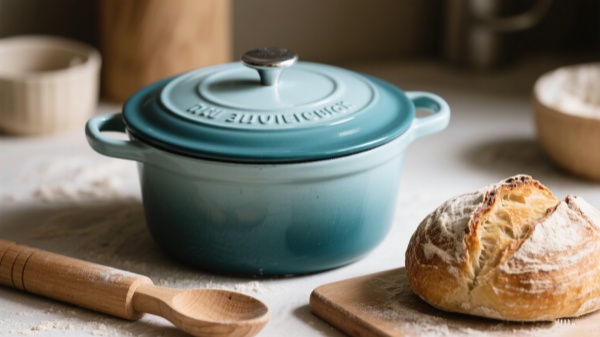
If you're baking sourdough at home, the size of the Dutch oven you use affects oven spring, crust and loaf shape. This guide maps common dough weights to pot sizes, explains how to measure your pot, and gives technique tips so your loaves turn out reliably.
Why Size Matters
Let me start with a simple observation: a pot is more than a container — it defines the environment your dough bakes in. A covered Dutch oven traps steam, concentrates heat, and limits how far the dough can spread. Those three things together determine whether your loaf rises up or slides out.
If the pot is too small the loaf can hit the lid; if it’s too big, steam is diluted and you lose the concentrated heat that helps form a crunchy crust.
Mapping Flour Weight to Pot Size (Quick Reference)
Rather than guessing by quart alone, first check your recipe’s flour weight. Below is a practical table I use when advising home bakers.
| Flour weight | Approx. dough weight | Recommended pot size | Approx. internal diameter |
|---|---|---|---|
| 250 g | ~450–500 g | 3–4 qt (2.8–3.8 L) | 18–20 cm |
| 500 g (standard) | ~900–1,000 g | 5–6 qt (4.7–6 L) | 23–26 cm |
| 750 g | ~1.3–1.5 kg | 6–7+ qt (5.7–6.6 L) | 26–28 cm |
| 1,000 g+ | ~1.8–2.0 kg+ | 7–9 qt (6.6–8.5 L) or combo cooker | 28+ cm |
Use the table as a guide — final fit depends on how tightly you shape and how tall you prefer your loaf.
How to Measure Your Dutch Oven (and Your Proofed Loaf)
Measure the internal rim diameter (wall-to-wall), and the internal depth (base to underside of lid). Then measure the widest diameter of a proofed boule while it's still slightly compressed — that’s the footprint you need to fit.

Common Sizes — Pros, Cons and When to Pick Them
3–4 quart (small)
Best for small households or mini boules. You get very concentrated steam and often excellent upward oven spring — but these pots are too small for standard 500 g flour loaves unless you compress the shape.
5–6 quart (the versatile choice)
This is the size I recommend most often. A 5–6 quart round Dutch oven fits the typical 500 g flour recipe comfortably, gives reliable oven spring, and is versatile enough for stews when you're not baking bread.
7–8+ quart (large)
Great for bigger family loaves or long batards. Expect a wider footprint and less concentrated steam. If you use a large pot, tighten your shaping and consider slightly lower hydration to prevent spreading.
Round vs Oval — Which Shape Should You Pick?
Round pots concentrate heat and steam beneath the lid, which helps boules rise; oval pots are handy for batards or two small loaves. If you mainly bake boules, prioritize a round pot in the right size — it’s simply more forgiving.
Materials, Lid Fit and Other Selection Details
Cast iron (enameled or bare) is the classic choice because it stores and radiates heat evenly. Enameled interiors are easy to clean. Avoid thin materials that can cool quickly when you open the oven.
Make sure the lid fits snugly — a tight lid traps steam better during the critical first 15–25 minutes of the bake.
Technique Tips Tied to Pot Size
Whatever pot you use, technique matters. Here are the practical steps that consistently improved results in my tests and in conversations with bakers:
- Preheat the pot empty at the target baking temperature for 30–45 minutes so the walls and base are thoroughly heated.
- Transfer the dough on parchment or a sling to avoid deflation.
- Cover the pot for the initial phase (15–25 minutes) to capture steam, then remove the lid to brown.
- Score with intention — in a smaller pot, vertical expansion is more likely, so a single long slash can direct rise upwards.

No Dutch Oven? Practical Alternatives
If you don’t have a Dutch oven, you can still get good results:
- Use a combo cooker (a cloche or deep ceramic baker with lid).
- Preheat a baking stone/steel and add a metal pan of boiling water on the bottom rack for steam.
- Use a deep roasting pan with a tight-fitting lid or an inverted sheet pan as a makeshift cloche.
These methods work, but a well-sealed Dutch oven is the simplest way to get consistent crust and oven spring at home.
Troubleshooting: Size-Related Problems and Quick Fixes
Problem: loaf spreads too much. Fix: use a smaller internal diameter, tighten shaping, or reduce hydration slightly.
Problem: loaf hits the lid. Fix: use a deeper pot, reduce proof height, or degas slightly before final proof so the loaf is lower.
Problem: bottom browns too fast. Fix: put the pot on an insulated rack, reduce initial temperature by 10–15°C (20–30°F), or move the rack up a level.
FAQ — Quick Answers for Common Search Questions
- Can I use a 5qt Dutch oven for sourdough?
- Yes — 5qt is the most recommended size for a standard 500 g flour boule. It offers a reliable balance of space, steam, and heat retention.
- Is a 4-quart Dutch oven too small?
- Generally, yes for full-size 500 g loaves. A 4qt pot is better suited for small loaves, rolls, or testing recipes at lower weights.
- What happens if my Dutch oven is too big?
- Steam becomes less concentrated and the loaf can spread, creating a flatter crumb and softer crust. You can use tricks (placing heat-resistant objects inside) to reduce effective volume.
- Do I need a round or oval Dutch oven?
- Round is best for boules; oval is better for batards. Round pots are the most versatile.
- Can I bake sourdough without a Dutch oven?
- Yes — use a hot baking stone/steel and steam pan, or a cloche. Results vary, and a Dutch oven is the easiest route to reliable crust and oven spring.
Choosing by Bake Plan: Match the Pot to Your Habits
Not everyone needs the same pot. Here’s a short decision guide:
- Single person / small household: 5qt is usually fine; freeze half the loaf if you bake often.
- Family / larger loaves: 6–7qt or a dual-pot workflow works better.
- Multi-use kitchen: pick a 5.5–6qt that also handles stews and roasts.
- On a budget: Lodge 5qt cast iron is a solid performer at a fraction of premium brands.
Conclusion — One Sentence to Remember
For most home bakers, a 5-quart round Dutch oven offers the best balance of headspace, steam retention and versatile use — but match the pot to your typical dough weight and shaping style for the most consistent results.

Solamex — Wholesale Pots and Pans Expertise
Solamex offers wholesale pots and pans, combining durable materials, precise craftsmanship, and flexible product customization. From premium stainless steel to advanced nonstick lines, our catalog is built for both retail distribution and demanding commercial kitchens — ensuring consistency in performance and presentation.
How to Bake Sourdough (With and Without a Dutch Oven)
What Size Dutch Oven for Sourdough? A Baker’s Complete Guide