Dutch Oven Sizes Explained: Quarts, Inches, And Which One To Buy
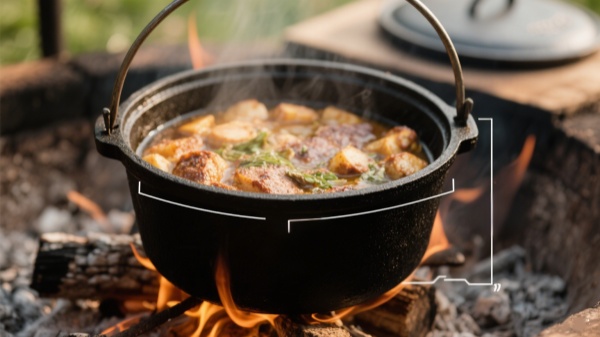
If you’ve ever wondered *“how big is a 5 quart Dutch oven?”, this guide will walk you through the practical answers: how inches map to quarts, how many people a size will feed, and which size fits your cooking style and kitchen. Below I give clear rules of thumb, measuring tips, and short Q&A snippets suitable.
Most home Dutch ovens fall between 2 and 12+ quarts. A simple planning rule is roughly 1 quart per serving: a 5–6 qt Dutch oven suits most 3–5 person households; 7–9 qt covers larger families or batch cooking. Diameter (inches) gives a rough signal but depth and shape change actual quarts — always check manufacturer specs before you buy. (See Le Creuset and Lodge size guides for common mappings.)
Why Size Matters — Three Practical Decisions
Pick a Dutch oven with the right capacity to bake Sourdough and you avoid two common mistakes: cooking too-large batches that don’t fit your family, or buying a pan too small for roasts and bread. Size affects three things most: (1) servings and recipe scale — how many people you can feed; (2) stove, burner and oven fit — wider pots need bigger burners and tall lids need oven clearance; and (3) storage, weight and total cost — larger cast iron pieces are heavy and more expensive.
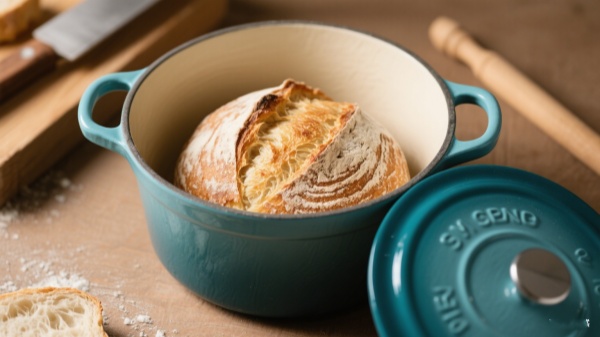
Common Sizes And How Inches Map To Quarts
There’s no universal inch→quart formula because depth and wall thickness vary across brands. Still, cookware manufacturers often show consistent groupings. Below is a practical mapping you can use as a starting point — treat it as a rule-of-thumb and double-check product pages before purchasing.
| Approx. Diameter (Inches) | Typical Quart Capacity | Servings (Rule: ~1 Qt/Person) |
|---|---|---|
| 8–9 in | 2–4 qt | 2–4 servings |
| 10 in | 4–6 qt | 3–5 servings |
| 11–12 in | 6–9 qt | 5–8 servings |
| 13–14 in | 10–12+ qt | 8–12+ servings |
Example: Le Creuset lists popular sizes (4.5 qt, 5.5 qt, 7.25 qt, 9 qt) and indicates typical servings per size — which tracks closely with the one-quart-per-person rule.
How To Measure Your Dutch Oven (Quick DIY)
If you already own a pot and want to know its quart capacity, you can measure it roughly:
- Measure the inside diameter across the rim (in inches).
- Measure the inside depth from base to rim (in inches).
- For a rough volume check: many product pages give both diameter and quarts; match your measurements to manufacturer specs. If you must calculate, multiply area × depth and convert — but brand specs are easier and more accurate for enameled cast iron.
Which Size Should You Buy? Use Cases & Recommendations
Short, practical guidance based on how you cook — and what I use at home:
- Solo or Couple (1–2 People): 2–3.5 qt. Good for side dishes, small stews, and the occasional single sourdough loaf.
- Small Family (2–4 People): 4–6 qt. In my kitchen, a 5-qt handles weekday stews and a whole chicken comfortably; many brands list 5–6 qt as their “everyday” size.

- Medium/Large Family Or Batch Cooking (4–6+ People): 7–9 qt. Use this for larger roasts, doubling recipes, or frequent entertaining.
- Commercial / Catering / Frequent Big-Batch (B2B): 10+ qt. For procurement, calculate the cost-per-year: purchase price divided by expected years of service — longer warranties and thicker construction usually win in heavy-use settings.
People-Also-Ask
Each question below is followed by a concise single-sentence answer and a brief line of context.
How Many Quarts Is A 12 Inch Dutch Oven?
Short answer: Typically ~6–9 quarts depending on depth; check the product page for the exact capacity.
A 12-inch shallow pan might be closer to 6 qt while a deeper version can reach 8–9 qt.
How Many Quarts Is A 10 Inch Dutch Oven?
Short answer: Usually about 4–6 quarts; depth determines where in that range it falls.
A 10-inch with standard depth often equals a 5-qt model.
How Big Is A 5 Quart Dutch Oven?
Short answer: Roughly 10–11 inches diameter, fits ~3–5 servings — the common “everyday” size for many cooks.
I bake sourdough and make stews in a 5-qt for two people with leftovers.
How Many People Does A 4 Quart Dutch Oven Feed?
Short answer: About 2–4 people, depending on portion sizes and the dish.
For richly sauced stews you may stretch servings; for hearty roasts you’ll need larger capacity.
Does Diameter Always Equal Quart Capacity?
Short answer: No — depth and wall shape change actual volume, so two 12-inch pots can have different quarts.
Always cross-check diameter with the manufacturer’s stated quart capacity.
Can I Bake Sourdough In A 5 Or 6 Quart Dutch Oven?
Short answer: Yes — many home bakers use 5–6 qt pans for single loaves; confirm interior dimensions and lid clearance.
If you prefer tall boules, a slightly deeper pot helps.
Buying Checklist & B2B Procurement Note
- Check the manufacturer’s quart listing first — it’s the authoritative number for capacity. (Diameter is secondary.)
- Look at oven and burner fit — wide lids may not fit smaller ovens or crowded burners.
- Consider weight and handling — larger enameled pieces can be heavy when full; factor staff or family strength if buying for hospitality/B2B.
- Warranty and expected life — for B2B, prioritize extended warranty and thicker construction to lower lifetime cost.
Final Thoughts — Quick Plan
My practical advice: start with a 5–6 qt if you want one reliable, everyday Dutch oven. Add a larger 7–9 qt if you entertain often or cook large pieces. If you’re buying for a restaurant, size your set for menu needs and pick heavier gauge or multi-ply constructions that last longer under frequent use. And — before you click “buy” — look at the manufacturer’s product page for the exact quart number and dimensions.
Pro tip: If you plan to bake bread regularly, choose a pot with at least 4–5 inches of usable interior height to accommodate the rise without touching the lid.

Solamex — Wholesale Pots and Pans Expertise
Solamex offers wholesale pots and pans, combining durable materials, precise craftsmanship, and flexible product customization. From premium stainless steel to advanced nonstick lines, our catalog is built for both retail distribution and demanding commercial kitchens — ensuring consistency in performance and presentation.
Dutch Oven Sizes Explained: The Ultimate Guide to Choosing the Perfect Pot
Anodized vs. Ceramic Cookware: The Honest Breakdown for 2025