Dutch Oven Sizes Explained: The Ultimate Guide to Choosing the Perfect Pot
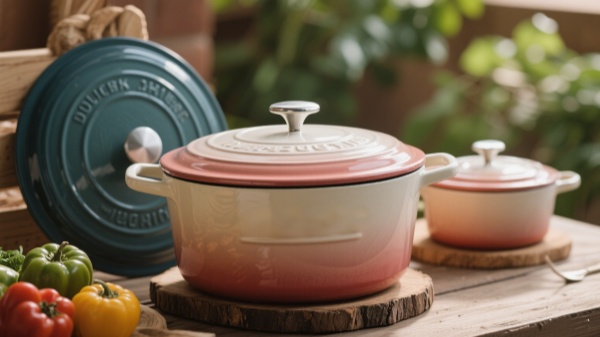
Dutch Oven Sizes Explained: The Ultimate Guide to Choosing the Perfect Pot
So, you've decided to invest in a Dutch oven—a kitchen heirloom that promises a lifetime of hearty stews and crusty breads. You're scrolling through the gorgeous colors, but one nagging question stops you in your tracks: what size do I actually need?
Is a 5.5-quart pot too big for two people, or just right for leftovers? Will that beautiful 7-quart beast even fit in your oven? This isn't just about a number; it's about choosing a partner for countless future meals. Get it wrong, and your pot gathers dust. Get it right, and it becomes the heart of your kitchen.
Don't worry, we're here to help. This guide will translate the abstract language of 'quarts' and 'inches' into the things that really matter: serving sizes, types of meals, and real-world kitchen scenarios. By the end, you'll be able to confidently pick the perfect pot that feels like it was made just for you.
The Quick Answer: Dutch Oven Size & Capacity Chart
Life is busy. If you're just looking for a quick reference, this chart is for you. We've compiled the most common sizes to give you an at-a-glance understanding. Think of it as your cheat sheet.
| Diameter (Approx.) | Capacity (Quarts) | Best for (Servings) | Perfect For Cooking... |
|---|---|---|---|
| 7.5" | 2 qt | 1-2 People | Sauces, side dishes, reheating |
| 9" | 4 qt | 2-3 People | Small roasts, soups for two, dips |
| 10.25" | 5 - 6 qt | 3-5 People | The all-rounder: whole chickens, stews, bread |
| 12" | 7 - 8 qt | 5-7+ People | Large families, parties, batch cooking |
| 13.25" | 9 qt | 7-10+ People | Holiday feasts, feeding a crowd |
Note: Sizes can vary slightly between brands, but this chart is a reliable general guide.
A Deep Dive into Popular Sizes: What They Really Mean
A chart gives you the data, but let's talk about the experience. Let's step into the kitchen and see what these sizes actually feel like and what they can accomplish.
The 3.5 to 4.5-Quart: The Compact Choice
This is the pot for couples, singles, or small city apartments. Typically measuring around 9 inches across, it’s nimble and easy to handle. It won’t hog your stove top and fits into any cabinet with ease. Think of it for cozy meals: a perfectly sized chicken pot pie for two, a batch of steel-cut oats for the week, or a warm spinach and artichoke dip for a movie night.
The 5 to 6-Quart: The 'Goldilocks' All-Rounder
This is, without a doubt, the most popular and versatile size—and for good reason. If a recipe just says "a Dutch oven," it’s likely assuming you have one of these.
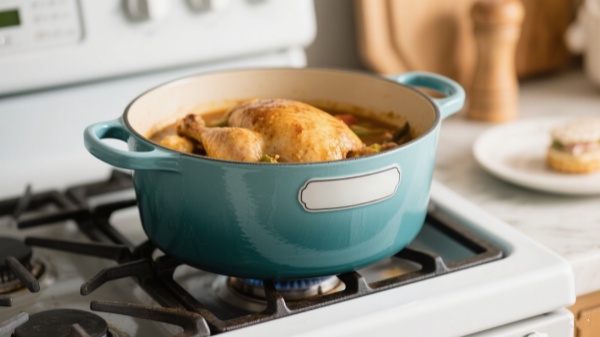
Measuring about 10.25 inches in diameter, it’s the true kitchen workhorse. It’s spacious enough to comfortably roast a 5-pound chicken, simmer a chili that will feed a family of four with leftovers, or bake a beautiful, high-rising loaf of sourdough. If you are buying your first and only Dutch oven, make it this one.
The 7-Quart and Up: For Big Families and Batch Cooking
Now we're entering "go big or go home" territory. A 7-quart pot (around 12 inches) is for those who love to host, have a large family, or are serious about meal prepping. It can handle a massive pot roast, a double batch of your famous bolognese, or enough pulled pork to feed a party. But be warned: this is a heavy piece of cookware, especially when full. Make sure you have the storage space and the arm strength to manage it!
Beyond the Numbers: 4 Questions to Ask Yourself Before You Buy
You've seen the specs. Now, let's get personal. To truly find your perfect match, honestly answer these four questions.
- How many people do you *typically* cook for? Don't buy a pot for the one big party you host each year. Buy for your Tuesday night dinner. My rule of thumb is to choose a stock pot sizes that serves your household, plus one or two extra portions for leftovers or unexpected guests.
- What do you love to cook most? If you're a bread baker, a round 5-6 quart pot is your best friend. If you dream of braising lamb shanks or short ribs, you need enough surface area for a good sear, so don't go too small. For soups and stews, depth is key.
- Are leftovers a key part of your weekly plan? If you rely on cooking once to eat twice, always size up. A pot that's just big enough for one meal won't give you the glorious bounty of next-day lunches.
- Can your kitchen (and you) handle it? Seriously. Check your oven dimensions. Measure your cabinet space. Lift a few pots in a store if you can. A massive 9-quart pot is useless if it's too heavy for you to comfortably move from the stove to the oven.
A Common Dilemma: Round vs. Oval
Just when you thought you'd decided, there's the question of shape. It's about more than just looks.
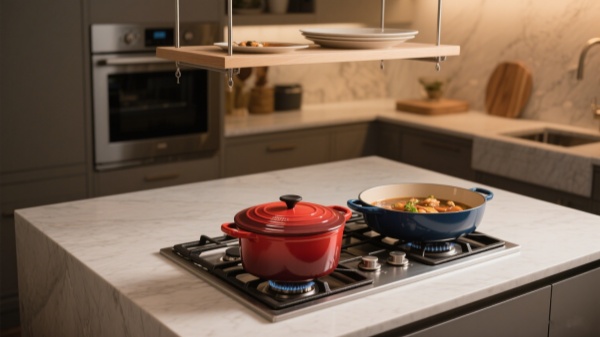
Round Dutch ovens are the most common. They fit perfectly on standard burners, ensuring the most even heat distribution on the stovetop. They are the superior choice for soups, stews, and baking round loaves of bread.
Oval Dutch ovens are specialists. Their main advantage is accommodating longer cuts of meat, like a pork loin, a whole fish, or a leg of lamb. However, they can heat unevenly on a round burner, making them better suited for oven-centric cooking.
Our Final Recommendation
Let's cut to the chase. For the vast majority of home cooks, a 5 to 6-quart round Dutch oven is the undisputed champion. It's the blue jeans of the cookware world—versatile, reliable, and always in style. It offers the perfect balance of capacity and manageability.
Ultimately, the best Dutch oven is the one that gets used. Choose the size that fits your life, inspires you to cook, and feels right in your hands. Happy cooking!

Solamex — Wholesale Pots and Pans Expertise
Solamex offers dutch oven wholesale and wholesale pots and pans, combining durable materials, precise craftsmanship, and flexible product customization. From premium stainless steel to advanced nonstick lines, our catalog is built for both retail distribution and demanding commercial kitchens — ensuring consistency in performance and presentation.
Is Aluminum Cookware Really Banned in Europe?
Dutch Oven Sizes Explained: Quarts, Inches, And Which One To Buy