Stock Pot Sizes — How to Choose the Right Size (4, 6, 8 qt and beyond)
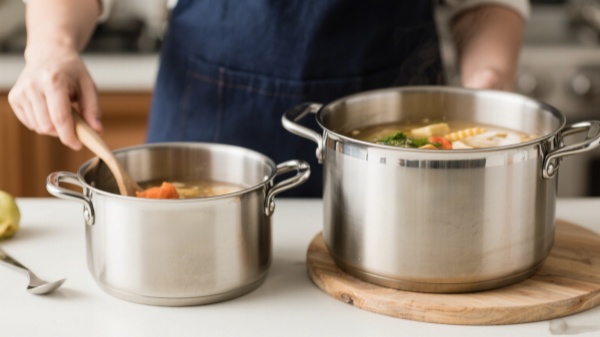
Quick answer: if you must pick one pot, an 8-quart hits the sweet spot for most home cooks. Buy larger (12–16 qt) if you make broth, can or host often; choose 20 qt+ for commercial or brewing. Below: how sizes are measured, what 4/6/8 quarts are best for, a short decision checklist, conversion table and FAQs.
Intro: what this guide covers
This guide focuses on practical choices — not brand marketing. We cover how to measure a pot’s usable capacity, what the common sizes (including 4, 6 and 8 qt) are actually good for, how pot shape affects performance, and a concise decision matrix to help you pick.
How Stock Pot Sizes are Measured — Capacity & Physical Dimensions
When a manufacturer lists a pot as “8 qt,” that’s the pot’s maximum interior volume. In real cooking you rarely fill to the brim — leave headroom to avoid boil-over. To measure a pot yourself: measure the internal diameter across the inside rim (in inches or cm) and the internal depth from the bottom interior to where the lid seats. That tells you both volume and the practical space for long items (bones, whole chickens, tall jars). Depth affects evaporation and how easily you skim fat; diameter affects surface area and stirring room.
Quick conversion: 1 quart ≈ 0.946 liters. A safe usable fill is roughly 75–85% of the pot's stated capacity for simmering tasks.
Common Stock Pot Sizes and Everyday Uses
Here are the most common sizes you’ll see, including the 4, 6 and 8 quart options you asked for, with compact notes on what they're good at.
| Size (qt) | Approx (L) | Best uses | Servings & notes |
|---|---|---|---|
| 4 qt | ~3.8 L | Small soups, reheating, sauces | 1–2 people; useful as a second pot |
| 6 qt | ~5.7 L | Small family meals, side dishes, doubling recipes | 2–4 people; versatile |
| 8 qt | ~7.6 L | Everyday soups, pasta, stews | 3–6 people; best single purchase |
| 12 qt | ~11.4 L | Family batches, modest bone broths | 6–8 people; good for parties |
| 16 qt | ~15.1 L | Frequent broth makers, canning | 8+ people; deeper for bones/jars |
| 20+ qt | ~18.9 L+ | Commercial, brewing, large canning | Large batches; consider dedicated gear |
Real note: I once simmered beef bones in a 12-qt pot for 10 hours. The depth made skimming simple and evaporation manageable. For the same batch in an 8-qt, I’d have needed to split the bones or top up liquid frequently.
How Shape & Construction Change Cooking Performance
Two pots with the same listed volume can behave differently. Deep, narrow pots reduce surface area and slow evaporation — great for long simmers. Wide, shallow pots promote evaporation and speed reductions — handy when you want a concentrated stock. Base construction (multi-ply stainless steel or clad bottoms) gives more even heat and reduces hot spots; thin single-ply metal heats quickly but can warp. Lid fit and condensation behavior (tight vs domed lids) also matter for moisture retention.

Quick Selection Matrix — Choose by Household, Cooking Style, Storage & Oven Needs
Answer the five quick questions below, then use the short rules to pick the stock pot that fits your kitchen and cooking habits.
- How many people do you regularly cook for?
- Do you make meat stock or bone broth often?
- Do you need a pot for canning or brewing?
- What size are your stovetop burners, and how much cabinet/storage space do you have?
- Do you need an oven-safe pot (start on stove → finish in oven)?
- 1–2 people: Choose 4–6 qt. Saves space and handles most quick soups and reheating tasks.
- 3–6 people: Choose 8 qt. The most flexible single purchase — pasta, soups, stews and small roasts.
- Regular bone broth: Choose 12–16 qt for depth and headroom so you don’t need to top up during long simmers.

- Canning or brewing: Choose 16–20+ qt or a dedicated canner; verify interior height clears jars with ≥2" water above.
- Stove & storage check: If your burners are small, avoid oversized bases; match pot diameter to the largest burner and your storage limits.
- Oven-safe requirement: If you finish dishes in the oven, pick a pot with oven-rated handles and lid (confirm max temp in cookware manufacturer specs).
Suggested pairings: 6 qt + 12 qt (flexible two-pot setup) or a single 8 qt for minimal space.
FAQ
What size stock pot do I need for 2 people?
For two people, a 4–6 quart (≈3.8–5.7 L) stock pot usually suffices — 4 qt for small soups and reheating, 6 qt if you want extra headroom or to double recipes.
What size stock pot do I need for 6 people?
For six people, choose an 8–12 quart (≈7.6–11.4 L) pot—8 qt covers many family soups; 12 qt is safer for pasta, large stews, or modest bone-broth batches. Leave ~20% headroom.
Is a 12-quart stock pot big enough for pasta?
Yes — a 12-qt pot is large enough for family pasta; ensure the pot diameter comfortably fits long pasta and gives room to stir to prevent sticking. (here, yo)
Is an 8-quart stock pot big enough for soup?
Yes — an 8-qt pot suits most household soups (3–6 servings) and is the most commonly recommended single-purchase size.
What stock pot size is best for bone broth?
Bone broth makers typically favor 12–16 quarts for adequate depth and headroom to hold bones and water; deeper pots reduce splatter and allow longer simmering.
Can I use a stock pot for canning?
For water-bath canning, you need a pot tall enough to cover jars by at least 2 inches of water; many home canning recipes recommend a 12+ qt pot or a dedicated canner — always follow USDA/NCHFP-tested recipes.
How much headroom should I leave when filling a pot?
Leave approximately 15–25% headroom (or at least a few inches) to prevent boil-over, especially when making stocks that foam or when boiling pasta.
Conversion Table & One-page Cheat Sheet
| Quarts | Liters (approx) | Note |
|---|---|---|
| 4 qt | ~3.8 L | Small batches |
| 6 qt | ~5.7 L | Versatile second pot |
| 8 qt | ~7.6 L | Everyday workhorse |
| 12 qt | ~11.4 L | Family batches |
| 16 qt | ~15.1 L | Broth & canning |
| 20+ qt | ~18.9 L+ | Commercial & brewing |
Pro tip: save a one-page printable with the table above and the five checklist questions — tape it inside a cabinet so you can quickly decide while shopping.
Buying Checklist & Quick Product Guidance
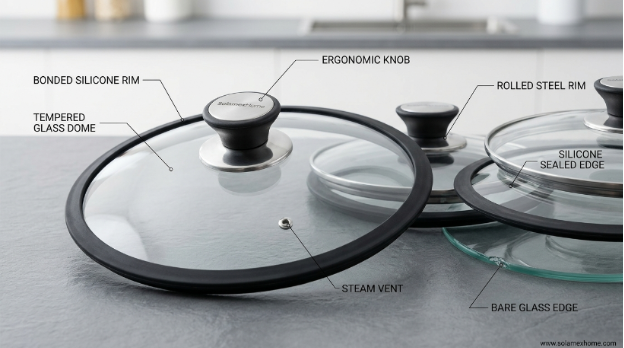
When you buy: check that the lid seats tightly, handles are riveted and comfortable, the base is flat and thick (multi-ply for even heating), and the manufacturer documents oven safety if you need it. If induction is required, confirm magnetic base compatibility. For canning, check interior height rather than volume alone.
Conclusion
Most home cooks are served well by an 8-quart pot. Add a 12–16 qt for regular broth making or canning. If your cooking includes stove-to-oven finishes, prioritize oven-safe hardware. Use the checklist above to match your cooking habits to the size that fits your life.

Solamex — Wholesale Pots and Pans Expertise
Solamex offers a comprehensive range of wholesale pots and pans, combining durable materials, precise craftsmanship, and flexible product customization. From premium stainless steel to advanced nonstick lines, our catalog is built for both retail distribution and demanding commercial kitchens — ensuring consistency in performance and presentation.
How to Clean Ceramic Cookware (Quick & Deep Methods That Protect the Coating)
The Only Stock Pot Size Guide You'll Ever Need: From Solo Meals to Family Feasts