How Big Is 6 Quarts: Complete Measurement Guide with Real-World Examples

Everything you need to know about 6-quart measurements, conversions, and practical applications
When you're standing in the kitchen store looking at cookware or browsing online for that perfect slow cooker, the question "how big is 6 quarts?" becomes surprisingly important. Whether you're a seasoned home chef or just starting your culinary journey, understanding exactly what 6 quarts means in practical terms can make the difference between buying the right equipment and ending up with something that doesn't quite fit your needs.
The truth is, 6 quarts hits that sweet spot that many home cooks are looking for – it's substantial enough for batch cooking and entertaining, yet manageable enough for everyday use. But let's dive deeper into what this measurement actually means in your kitchen and beyond.
The Direct Answer: 6 Quarts in Multiple Units
Quick Conversion Reference
Visual Size Comparison
6 quarts is equivalent to:
A large family-size soup pot
Standard slow cooker capacity
Six standard wine bottles
Three half-gallon milk containers
Breaking Down the Quart: Understanding the Base Unit
What Exactly Is a Quart?
A quart is one of those measurements that's deeply embedded in American cooking culture. Officially, a US liquid quart equals exactly 0.946353 liters, but in practical terms, it's simply one-fourth of a gallon. The word "quart" itself comes from the Latin "quartus," meaning fourth – which gives you a hint about its relationship to the gallon.
Key Point: When we talk about quarts in cooking and most everyday applications, we're referring to US liquid quarts.
The Measurement Hierarchy
Understanding how quarts fit into the bigger picture makes conversions much easier. Here's the simple hierarchy that governs American liquid measurements:
Memory Trick: "2 Cups in a Pint, 2 Pints in a Quart, 4 Quarts in a Gallon"
This means: 1 quart = 2 pints = 4 cups = 32 fluid ounces
So 6 quarts = 12 pints = 24 cups = 192 fluid ounces
Real-World Applications: Where You'll Encounter 6 Quarts
Stock pots for making large batches of soup, chili, or pasta water. Most 6-quart stockpots can comfortably serve 6-8 people or provide generous leftovers for a family of four.
The most popular slow cooker size. Perfect for whole chickens, pot roasts, or enough chili to feed a crowd. You can make 8-10 servings of most slow cooker recipes.
Standard Instant Pot size that balances capacity with countertop footprint. Ideal for batch cooking grains, beans, and one-pot meals.
Perfect size for small to medium canning batches. You can process about 6-7 pint jars or 3-4 quart jars in a 6-quart pressure canner.
Large enough for holiday sides like mashed potatoes for 8-10 people, or cranberry sauce that will last through multiple meals.
Paint mixing for room projects, garden watering, cleaning solution preparation, or storage for bulk pantry items.
6 Quarts in Context: How It Compares to Other Common Sizes
Ideal for small households and side dishes. Great for heating soup for two or making a small batch of rice. However, you'll find yourself wishing for more capacity when you want to meal prep or cook for guests.
vs. 6 Quarts: You get 3x the capacity, making 6 quarts much better value for versatility.
The standard family size that you'll find in most stores. Works well for families of 3-4 for regular meals, but can feel limiting when you want to batch cook or entertain.
vs. 6 Quarts: 6 quarts gives you 50% more cooking space – the difference between making dinner and making dinner plus tomorrow's lunch.
The goldilocks size – not too big, not too small. Perfect for both small daily batches and larger weekend cooking projects. You can cook for 2 people with leftovers or feed 6-8 people in one go.
Why it works: Versatile enough for any household size, efficient for batch cooking, manageable for storage and cleaning.
Built for large families and serious entertainers. Perfect if you regularly cook for 8+ people or do extensive meal prepping. However, storage becomes a real consideration.
vs. 6 Quarts: The extra 2 quarts mean significantly more storage space needed and heavier handling when full.
Making the Size Decision
Choose 6 quarts if you:
- Want the flexibility to cook small or large batches
- Like having leftovers without overdoing it
- Occasionally entertain but don't need restaurant-sized quantities
- Value the "cook once, eat multiple times" approach
Many home cooks find themselves upgrading from 4 to 6 quarts within the first year – the extra capacity opens up so many more cooking possibilities without becoming unwieldy.

Practical Conversion Guide: From 6 Quarts to Everything Else
Cooking Conversions Made Simple
Recipe scaling becomes straightforward once you understand the 6-quart baseline. Here's how to think about it:
Doubling Recipes: Most 3-quart recipes fit perfectly in a 6-quart container
Halving Large Recipes: 12-quart institutional recipes scale down beautifully
International Cooking: 6 quarts ≈ 5.7 liters (round to 6 liters for most recipes)
Shopping Smart
When shopping for 6-quart equipment, keep these practical tips in mind:
- Read the fine print: Some manufacturers list "total capacity" vs. "working capacity" – working capacity is usually about 80% of total
- Consider the shape: Wide, shallow 6-quart pans work differently than tall, narrow ones
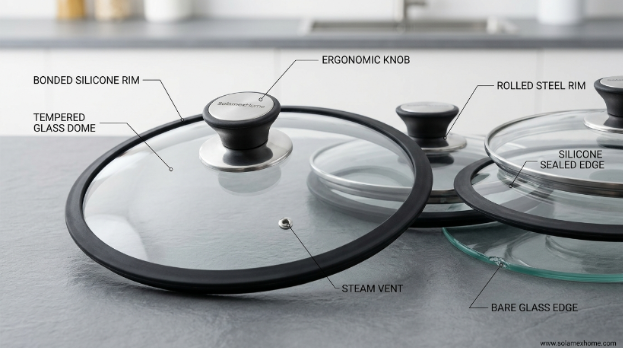
- Factor in lids: A 6-quart pot with a dome lid effectively gives you more usable space

Common Mistakes and Misconceptions About 6 Quarts
Measurement Errors to Avoid
Liquid vs. Dry Confusion: 6 quarts of water weighs about 12 pounds, but 6 quarts of flour weighs much less. Volume and weight aren't the same thing.
Imperial vs. US Confusion: If you're following a British recipe calling for quarts, remember their quarts are about 20% larger than US quarts.
Rounding Errors: 6 quarts is 5.68 liters, not 6 liters. For precise baking, this difference matters.
When 6 Quarts Isn't Actually 6 Quarts
This is where many home cooks get frustrated with their equipment:
- Working vs. Total Capacity: Your 6-quart slow cooker might only hold 4.5-5 quarts of food safely
- Pressure Cooker Rules: Never fill pressure cookers more than 2/3 full, so your 6-quart model works with about 4 quarts max
- Fill Lines Matter: Many appliances have fill lines well below the total capacity for safety and performance reasons
Size Selection Mistakes
The most common regret we hear? Buying a 4-quart slow cooker when they really needed the 6-quart. The price difference is usually minimal, but the functionality difference is significant. On the flip side, jumping straight to an 8-quart without considering storage and handling can lead to buyer's remorse.
Professional Tips: Maximizing Your 6-Quart Equipment
Chef Recommendations
The 80% Rule: For best results, don't fill 6-quart pots more than 80% full (about 4.8 quarts). This prevents boil-overs and ensures even heating.
Layer Management: In 6-quart slow cookers, put root vegetables on the bottom where it's hottest, proteins in the middle, and delicate ingredients on top.
Temperature Distribution: Larger volumes take longer to heat evenly. Give your 6-quart pot an extra 5-10 minutes to fully heat through compared to smaller sizes.
Equipment Maintenance
6-quart equipment requires slightly different care than smaller items:
- Cleaning: The larger surface area means more space for food to stick. Soak immediately after use when possible
- Storage: Consider your cabinet height – 6-quart pots are taller and need appropriate storage space
- Handles: When full, 6 quarts of liquid weighs 12+ pounds. Make sure your equipment has sturdy, comfortable handles
FAQs: Everything Else You Need to Know About 6 Quarts
Making the Right Choice: Is 6 Quarts Right for You?
Household Size Considerations
6 quarts might seem large, but it's perfect if you like meal prepping or cooking once for multiple meals. You can always cook smaller amounts in a larger pot, but you can't cook larger amounts in a smaller one.
This is where 6 quarts truly shines. You can make dinner with leftovers, batch cook on weekends, or easily accommodate dinner guests without scrambling for extra cookware.
6 quarts works for daily cooking, though you might want to consider 8 quarts if you regularly cook for the whole family plus guests. However, 6 quarts paired with additional cookware often works better than one giant pot.
Lifestyle Factors
Perfect for 6 quarts if you:
- Love meal prepping and batch cooking
- Entertain occasionally but not constantly
- Want to minimize the number of appliances you own
- Like having flexibility in your cooking options
- Have adequate storage space in your kitchen
Consider alternatives if you:
- Cook for 1-2 people exclusively and never want leftovers
- Have very limited storage space
- Rarely cook at home
- Prefer cooking fresh meals in small quantities daily
6 quarts represents 24 cups, 1.5 gallons, or 5.68 liters of cooking capacity – enough to handle most home cooking challenges while remaining manageable for storage and cleaning. It's the size that bridges the gap between everyday cooking and entertaining, offering the flexibility that busy home cooks need.
Whether you're making a big batch of chili for the week, cooking pasta for a family dinner, or preparing soup for a dinner party, 6 quarts gives you the room to cook with confidence. It's not just about the numbers – it's about having the right tool that grows with your cooking ambitions.
The bottom line: For most home cooks, 6 quarts hits the sweet spot between capacity and practicality, making it one of the most versatile sizes you can choose for your kitchen.
Which Frying Pan Size Should You Buy? Quick Guide to 6", 8", 10", 12" & 14" Skillets
How Big is 6 Quarts? A Complete Visual Guide for Home Cooks