Mastering the 6‑Quart Pot: Your Ultimate Kitchen Workhorse

1. Introduction
When it comes to home cooking, the size of your pot can be the difference between a perfectly simmered soup and a messy boil‑over. Too small, and ingredients spill; too large, and heat distribution suffers. In many kitchens, cooks juggle a 2‑quart saucepan for sauces, a 4‑quart pot for everyday stews, and a large 8‑quart stockpot for big batches. But nestled in between lies the sweet spot: the 6‑quart pot. Versatile enough to handle family‑size recipes yet compact enough for everyday use, it has earned its reputation as a kitchen workhorse.
In this comprehensive guide, we’ll explore what “6 quarts” really means in both U.S. and metric units, compare it with other common sizes, and provide expert advice on selection, cooking techniques, and maintenance. By the end, you’ll understand why a 6‑quart pot deserves a place on your stove—and how to make the most of it every day.

2. What Is a Quart?
The term quart originates from the Latin “quartus,” meaning “one‑fourth,” indicating that a quart is one‑fourth of a gallon. In the U.S., one liquid quart equals approximately 0.946 liters. Over in the U.K., the Imperial quart is slightly larger at around 1.136 liters. Although these differences may seem minor, confusing quart types can skew recipe results by up to 20%. That’s why understanding the unit behind your cookware is essential for precise cooking and consistent results.
Now that we’ve clarified what a quart measures, let’s convert that volume into liters and cups for a more intuitive grasp of pot capacities.
3. Capacity Conversion & Comparison
To visualize how much liquid your pot can hold, here’s a quick conversion of the most common sizes:
| Pot Size | Quarts (qt) | Liters (L) | Cups |
|---|---|---|---|
| Small | 2 qt | ≈ 1.9 L | ≈ 8 cups |
| Medium | 4 qt | ≈ 3.8 L | ≈ 16 cups |
| Versatile | 6 qt | ≈ 5.7 L | ≈ 24 cups |
| Large | 8 qt | ≈ 7.6 L | ≈ 32 cups |
With these figures in mind, you can easily judge whether a recipe calling for “5 quarts” fits comfortably into a 6‑quart pot or if you need to scale down. Next, we’ll look at how these volumes translate into real‑world pot dimensions.
4. Typical 6‑Quart Pot Dimensions
Volume is just one part of the story—physical dimensions determine stovetop fit, cabinet storage, and overall handling. Below are two popular 6‑quart models to illustrate common sizes:
- All‑Clad D3 Stainless Steel Stock Pot: Inner diameter 10.5″, height 5.5″. Deep enough for rich stocks yet manageable on most burners.
- Cuisinart Chef’s Classic Tri‑Ply: Outer diameter 11.2″, height 6.0″. Slightly wider, ideal for pasta and stews with chunky vegetables.
When compared to a typical 4 qt pot (around 9″×4.5″) or an 8 qt pot (approximately 12″×7″), the 6 qt model balances height and width. This balance makes stirring, skimming, and serving more comfortable while ensuring even heat distribution across the base. Up next, let’s explore what you can cook in these different sizes and why 6 quarts often wins.
5. Use Cases: Why 6‑Qt Shines
Every stock pot size has its sweet spots, and understanding these will help you choose the right tool for the job:
- 2 qt: Perfect for single‑serve soups, homemade hot chocolate, or small sauce reductions.
- 4 qt: Great for family‑size soups, vegetable blanching, or cooking rice for 3–4 people.
- 6 qt: Ideal for 2–4 servings of chili, full bags of pasta (1 lb/450 g), small‑batch canning, and braises that develop deep flavors.
- 8 qt+: Built for big gatherings—stock‑making, large chili pots, or holiday mashed potatoes for 8+ guests.

For example, cooking one pound of pasta in a 4 qt pot often leads to boil‑overs and sticking, whereas a 6 qt pot provides enough headspace to stir freely and maintain a steady boil. This extra room means fewer spills and more consistent results, especially when you’re multitasking in a busy kitchen.
Understanding these use cases sets the stage for selecting the best 6‑quart pot tailored to your cooking style.
6. How to Choose the Perfect 6‑Qt Pot
Material Matters: Pots with a stainless steel exterior and an aluminum or copper core heat quickly and distribute temperature evenly—crucial for simmering delicate sauces. Non‑stick interiors offer easy cleanup but can scratch easily and may need replacement every few years. Cast aluminum provides lightweight handling but may warp under high heat.
Shape & Depth: Wide‑mouth pots are great for tasks that require frequent stirring—think risotto or paella—while taller pots excel at keeping soups and stews bubbling gently without much evaporation. Consider how you cook most days: do you sauté more than you simmer?

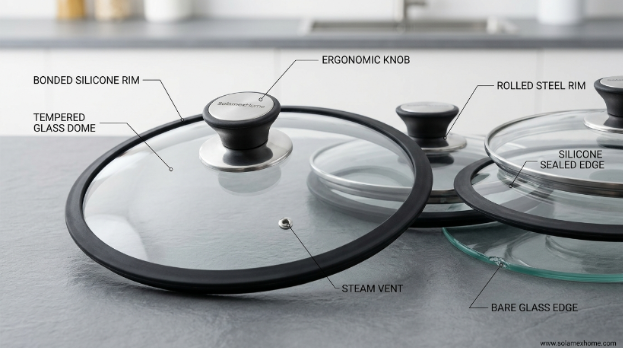
Accessories & Features: A tight‑fitting lid seals in moisture and flavor, while glass lids allow you to monitor progress without lifting the cover. Look for riveted handles for durability, heat‑resistant grips for safety, and compatibility with induction, gas, and electric stovetops to future‑proof your purchase.
Budget & Brand: Entry‑level 6‑quart pots typically start in the $40–$60 range and deliver solid performance for casual cooks. Mid‑range options ($80–$150) often upgrade to tri‑ply construction and thicker bases. Premium brands (All‑Clad, Le Creuset) command prices over $200, offering lifetime warranties and heirloom quality—an investment for avid home chefs.
With these factors in mind, you can narrow down models that fit your cooking habits, storage constraints, and budget before making a final choice. For chains, hotels, and retailers seeking wholesale stock pots in various sizes, Solamex delivers consistent quality and competitive pricing to maximize your profit margins.
7. Pro Cooking Tips for 6 Quart Pots
Leave Headspace: Always fill your 6 qt pot no more than two‑thirds full to prevent boil‑overs, especially when cooking grains or legumes that foam up. This simple practice keeps your stovetop clean and avoids heat loss when liquid spills.
Heat Management: Begin on medium heat to allow the pot to warm gradually, then increase to high only when bringing liquids to a rolling boil. Rapid changes can stress metal layers in multi‑ply constructions, potentially leading to warping over time.
Multi‑Function Use: Don’t limit your 6 qt pot to soups. With a steamer insert, it becomes a vegetable steamer; with a rack, it turns into a braising vessel. You can even shallow‑fry small batches of fritters or doughnuts, using just an inch of oil for crisp results.
Pairing Sizes: For elaborate meals, consider using a 4 qt pot alongside your 6 qt. Use the larger pot for the main dish—like chili or stew—while the smaller one handles sides such as rice or sauce. This combo streamlines prep and keeps flavors separate.
8. Care & Maintenance for Your 6‑Qt Pot
Stainless Steel Cleaning: To tackle stubborn discoloration or burnt‑on bits, create a paste of baking soda and water. Gently scrub with a non‑abrasive pad, then rinse thoroughly. For added shine, polish with a drop of vinegar on a soft cloth.
Non‑Stick Upkeep: Always clean non‑stick interiors with a soft sponge and mild detergent. Avoid metal utensils that scratch the surface. Never preheat an empty non‑stick pot; doing so can degrade the coating faster.
Storage Solutions: Save space by nesting your 6 qt pot inside larger stockpots or hanging it from a sturdy pot rack. Place a paper towel or cloth between stacked pots to prevent scratches and preserve finish.
Descaling Tip: Minerals from hard water can leave white spots. Fill your pot with equal parts water and white vinegar, bring to a simmer for five minutes, then rinse. Your pot will look—and perform—like new.
9. Conclusion
The 6‑quart pot truly shines as the most versatile kitchen essential. With enough room for family‑size portions and compact enough for everyday meals, it bridges the gap between small saucepans and large stockpots. Ready to elevate your cooking? Grab a 6 qt pot, experiment with new recipes, and enjoy the perfect balance of capacity, performance, and convenience.
How Big Is a 6 Quart Pot? Your Ultimate Size Guide & Practical Uses
The Guide to 6 Quart Pots: Size, Uses, and Choosing the Perfect Fit